
Scanning the Road Ahead: How Skilled Drivers Read Traffic Before It Becomes a Problem

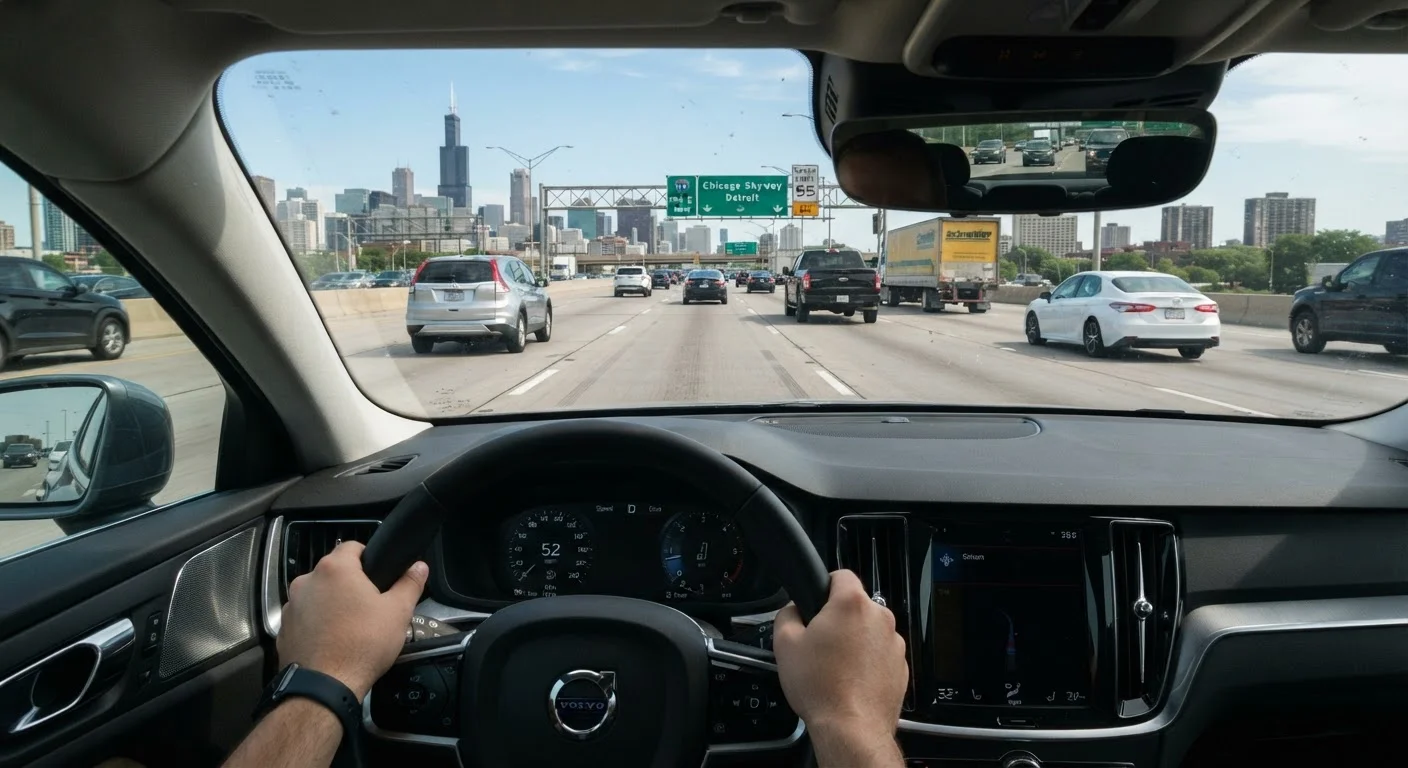
Photo: AscendWit.com | Explore Engaging Blogs. editorial
Key Takeaways
- Experienced drivers scan 12-15 seconds ahead, giving more time to react to developing hazards.
- Effective visual scanning combines far-ahead focus with regular mirror checks every 5-8 seconds.
- Anticipating what other drivers might do is more protective than reacting to what they do.
- Tunnel vision - fixating on one point - is a common and correctable beginner habit.
- Intersections, merges, and parking lots are high-risk zones that require heightened scanning attention.
The Gap Between Beginner and Skilled Drivers
Most drivers believe they're watching the road. The real question is where they're watching and how far ahead. Research consistently shows that novice drivers tend to fixate on the vehicle directly in front of them, while experienced drivers spread their visual attention across a wider area and project their gaze much farther down the road.
This difference isn't about talent - it's a learned skill. The more intentional you are about how you scan, the more time you give yourself to respond before a situation becomes urgent. That's the core principle behind defensive driving: staying ahead of problems rather than reacting to them.
“The difference between a safe driver and an unsafe one often isn't how they handle an emergency - it's whether they saw it coming in time to avoid one altogether.”
— National Safety Council, U.S. nonprofit organization focused on eliminating preventable deaths
The 12-15 Second Scanning Habit
Traffic safety educators commonly recommend that drivers aim to scan approximately 12 to 15 seconds ahead - meaning you should be visually processing what's happening at the distance you'll reach in that time window. At highway speeds, that's roughly a quarter mile. In a city, it might be one or two blocks.
This isn't about staring into the distance. It means your eyes move - scanning that far horizon, then sweeping back to closer vehicles, then checking mirrors, then pushing forward again. This rhythm gives your brain continuous, layered information about what's happening at every level of the road around you.
94%
Crashes involving human choice or error
According to the National Highway Traffic Safety Administration, approximately 94% of serious crashes involve human behavior as a contributing factor, including inattention and failure to scan properly.
1.5 sec
Average driver perception-reaction time
NHTSA data indicates average perception-reaction time is about 1.5 seconds - meaning every additional second of advance warning from good scanning can measurably reduce crash risk.
For new drivers especially, building this habit takes deliberate practice. If you're coaching a teen, the graduated licensing stages are an ideal time to introduce and reinforce far-ahead scanning before freeway driving begins.
Core Visual Scanning Practices
The following practices reflect techniques taught in professional driver training programs and used by experienced drivers who consistently navigate complex traffic safely.
Aim your gaze 12-15 seconds ahead, not just at the car in front of you.
Check your mirrors every 5-8 seconds as part of a continuous scanning rhythm.
Move your eyes continuously rather than letting them lock onto one point.
Anticipate what other drivers and pedestrians are likely to do next.
Identify an escape route before you need one.
High-Risk Zones That Demand More Attention
Some environments compress your reaction time or bring more unpredictable elements into your path. These zones deserve extra scanning effort:
- Intersections: Even with a green light, scan cross-traffic before entering. A vehicle running a red light gives you almost no warning. See right-of-way rules explained for how to navigate complex intersection types.
- Merge zones and lane changes: Check mirrors, scan blind spots, and read surrounding vehicle speeds before committing. Proper merging technique requires a systematic sequence, not a quick glance.
- Parking lots: Expect unpredictable pedestrian movement, reversing vehicles, and limited sight lines. Slow down and expand your scan width.
- Low-visibility conditions: Rain, fog, glare, and darkness all shrink your effective scanning range. Night driving requires specific adjustments beyond just switching on your headlights.
Practice in Low-Stakes Conditions First
Speed also affects how far ahead your scan needs to reach. A posted limit isn't always the right speed for conditions. When to go slower than the sign is a judgment call that starts with what you can actually see.
Start Improving Your Scan Today
Visual scanning is a skill you can build on every drive. Before any trip, it also helps to make sure your vehicle isn't creating its own surprises - a pre-trip walk-around takes only a few minutes and removes one layer of uncertainty before you even leave the driveway.
Even experienced drivers benefit from periodically reviewing their own habits. Familiarity with a route can quietly erode attention - a dynamic explored in why confident drivers still make dangerous assumptions. Good scanning isn't a one-time fix; it's an ongoing practice.
The content on this site is for informational purposes only and is not a substitute for professional advice. Always consult a qualified professional for guidance specific to your situation.