
Night Driving Demands Different Habits - Here's What to Change

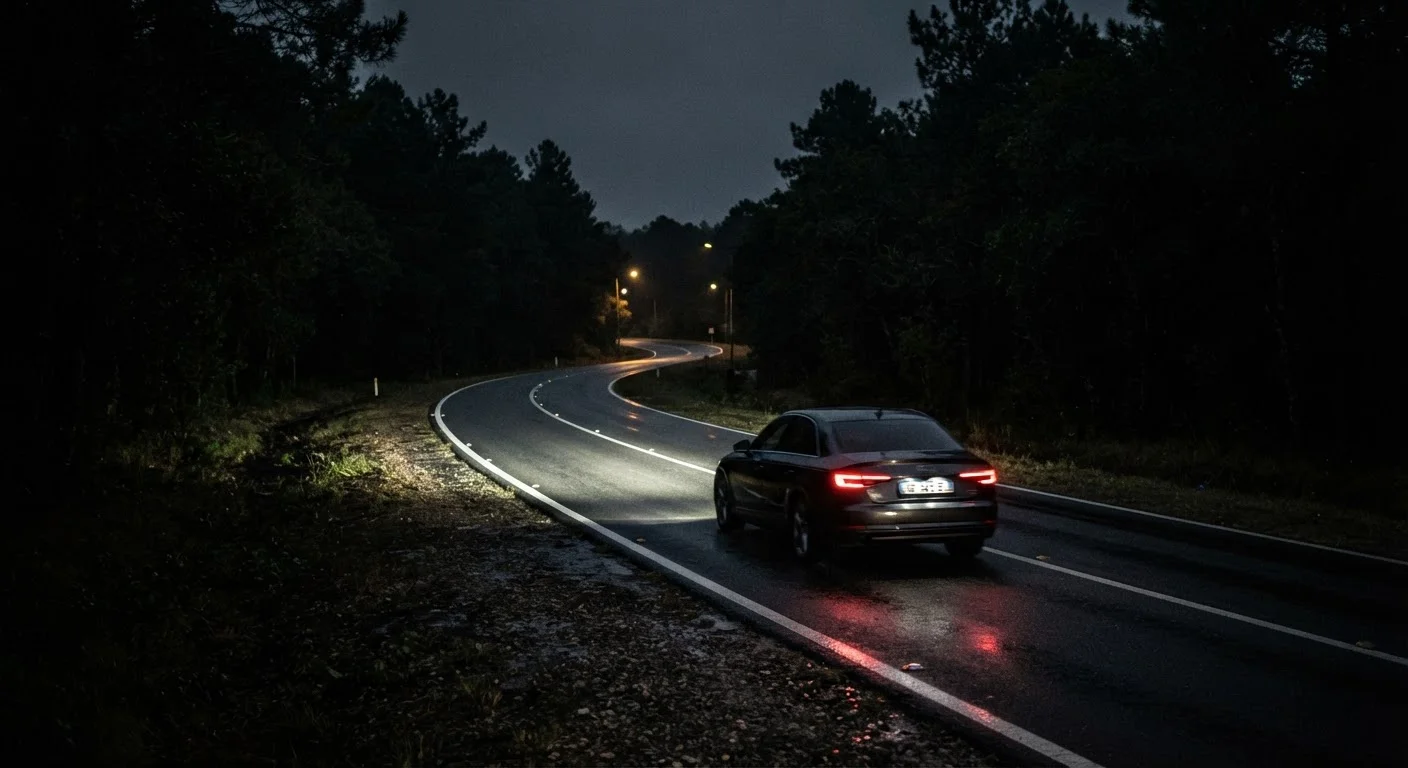
Photo: AscendWit.com | Explore Engaging Blogs. editorial
Key Takeaways
- Nighttime visibility can drop to a fraction of what drivers experience in daylight, even with working headlights.
- Slowing down and increasing following distance are the two most impactful adjustments any driver can make after dark.
- Headlight maintenance and proper aim matter far more than most drivers realize.
- Drowsiness is a serious nighttime hazard - recognizing its warning signs can prevent a crash.
- Reducing interior light and screen glare helps your eyes adapt better to the dark road ahead.
Why Night Driving Is Genuinely More Dangerous
According to the National Safety Council, traffic fatality rates are roughly three times higher at night than during the day - despite fewer vehicles on the road. The core reason is simple: human vision is built for daylight. After dark, depth perception, peripheral vision, and the ability to distinguish color all decline noticeably.
Standard low-beam headlights typically illuminate about 160 feet ahead. At 55 mph, a driver needs roughly 495 feet to perceive a hazard, react, and stop. That gap - between what you can see and what you need to see - is sometimes called "overdriving your headlights," and it's one of the most common and underappreciated risks of night driving.
Understanding this gap is the first step. Reaction time at highway speeds compounds the problem: at 65 mph, even a one-second delay means traveling nearly 100 feet before you begin to respond.
3×
Higher nighttime traffic fatality rate
The National Safety Council estimates traffic deaths occur at roughly three times the rate at night compared to daytime, despite lower traffic volume.
~160 ft
Typical low-beam headlight range
Standard low-beam headlights illuminate approximately 160 feet ahead - well short of the stopping distance needed at highway speeds.
The Core Habits That Reduce Nighttime Risk
Adjusting your driving habits after dark isn't about being overly cautious - it's about matching your behavior to the actual conditions you're operating in. The drivers who do this consistently tend to make small, deliberate changes that add up to meaningfully lower risk.
Slow down to match the distance your headlights actually illuminate.
Increase your following distance to at least four seconds behind the vehicle ahead.
Dim your dashboard and avoid interior light sources that compete with the dark road.
Use high beams on unlit roads, but switch to low beams promptly for oncoming traffic.
Watch the edges of the road - not just the lane ahead.
Fatigue: The Invisible Nighttime Hazard
Drowsy driving is especially dangerous at night because the body's natural circadian rhythm pushes toward sleep after dark. Fatigue slows reaction time, narrows attention, and can cause microsleeps - brief, involuntary episodes where the brain essentially shuts down for a few seconds. A vehicle traveling at 60 mph covers 88 feet per second during those moments.
Pull Over Before You're Too Tired
Warning signs of drowsiness include frequent yawning, difficulty keeping eyes open, drifting between lanes, and missing exits or signs. If these appear, the safest response is to pull off the road safely and rest - not to power through. Caffeine can help temporarily but does not substitute for sleep. This is also worth keeping in mind alongside the broader risks covered in our guide to distracted and impaired driving.
If you're planning a long nighttime drive, getting adequate sleep beforehand and scheduling rest stops every two hours or so are widely recommended strategies. For individualized guidance on sleep health or fatigue-related conditions, consult a healthcare provider.
Maintaining Your Vehicle for Night Conditions
Even perfectly safe driving habits can be undermined by a car that isn't ready for darkness. Headlights dim gradually with age and rarely fail all at once, so many drivers don't notice the degradation until it's significant. Cloudy or yellowed headlight lenses - common on vehicles more than five or six years old - can reduce light output by a substantial margin.
Checking that all exterior lights function, cleaning headlight lenses, and ensuring headlights are properly aimed (not pointing too low or skewed to one side) are all basic maintenance steps that directly affect how well you can see and be seen after dark. Your vehicle's owner's manual typically outlines when and how to inspect these components, or a qualified mechanic can assess them during a routine service.
Headlight Aim Affects Both Visibility and Safety
Night driving can also intersect with adverse weather. Rain and fog compound visibility problems in ways that demand even further adjustment - see our breakdown of driving in rain, ice, fog, and snow for condition-specific guidance.
Building strong situational awareness habits during the day makes them easier to apply at night. The visual scanning techniques described in our guide on scanning the road ahead translate directly to low-visibility conditions.
The content on this site is for informational purposes only and is not a substitute for professional advice. Always consult a qualified professional for guidance specific to your situation.