
Your Pre-Trip Vehicle Check: What to Inspect Before Every Drive

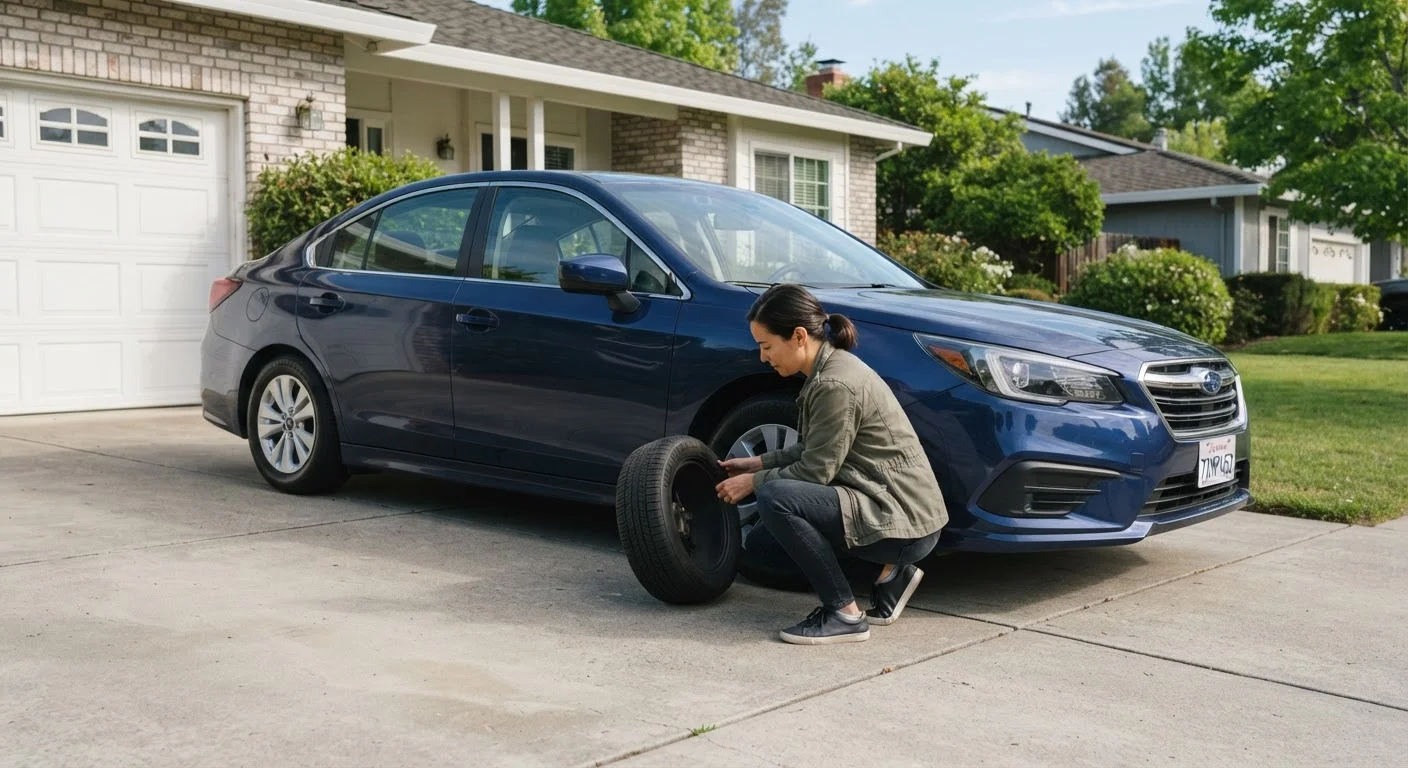
Photo: AscendWit.com | Explore Engaging Blogs. editorial
Key Takeaways
- A pre-trip inspection takes only minutes but can prevent breakdowns and accidents.
- Tires, lights, fluids, and mirrors are the four most critical areas to check every time.
- Most issues caught early are inexpensive fixes; ignored, they become costly emergencies.
- Dashboard warning lights deserve attention before you turn the key - never ignore them.
- Long trips require a more thorough check than a quick daily commute.
Why a Walk-Around Is Worth Your Time
Most vehicle problems don't appear without warning - they give signals that are easy to miss if you're heading straight from your front door to the driver's seat. A structured walk-around before you drive gives you a chance to catch those signals while you're still in the driveway, not on the shoulder of a highway.
Professional drivers - commercial truckers, bus operators, emergency responders - follow pre-trip inspection routines before every single drive. The same logic applies to everyday vehicles. It doesn't require mechanical expertise. It requires your eyes, a few minutes, and knowing what to look for.
For a broader foundation on keeping your vehicle in good shape between inspections, see our guide to routine vehicle maintenance. And if you're planning a longer road trip, pairing this check with a full trip planning checklist is a smart move.
Exterior & Tires
Lights
Under the Hood
Interior & Controls
Tools and Supplies to Keep Handy
You don't need a mechanic's toolkit to run through this checklist. A few basic items kept in or near your vehicle will cover most situations you'll encounter during a pre-trip check.
Tire Pressure Gauge
Accurately measures tire inflation so you can confirm pressure matches the manufacturer's recommendation.
Flashlight or Pen Light
Helps you inspect under the hood, check tire sidewalls, and spot fluid leaks in low-light conditions.
Clean Microfiber Cloth
Used to wipe off the dipstick for an accurate oil reading and to clear moisture from mirrors or windows.
Ice Scraper (seasonal)
Clears windshield and rear window of ice or snow that would obstruct visibility before driving in cold weather.
Windshield Washer Fluid (spare jug)
Allows you to top off the reservoir on the spot if it's running low before a longer drive.
What to Do When You Find Something Wrong
Finding an issue during your walk-around is a good outcome - far better than discovering it mid-drive. The question is how to respond.
For minor issues like a slightly low tire or a burned-out license plate light, you can often address them quickly before leaving. For anything that affects steering, braking, visibility, or structural safety - don't drive the vehicle until a qualified mechanic has assessed it. That's not an overreaction; it's a proportional response to real risk.
Never Drive With Compromised Brakes or Steering
Dashboard warning lights deserve the same respect. If a light is on when you start the engine and doesn't go off after a few seconds, investigate before driving. Our reference on dashboard warning lights explains what the most common indicators mean. A failing battery is one of the more common culprits behind unexpected warning lights and hard starts - and it rarely fails without giving prior notice.
If you do end up in an incident on the road, knowing the right steps matters. Keep what to do after a car accident in mind so you're not making decisions under pressure without a plan.
Long Trips Require a More Thorough Check
The content on this site is for informational purposes only and is not a substitute for professional advice. Always consult a qualified professional for guidance specific to your situation.