
Why Experienced Drivers Still Make These Dangerous Assumptions

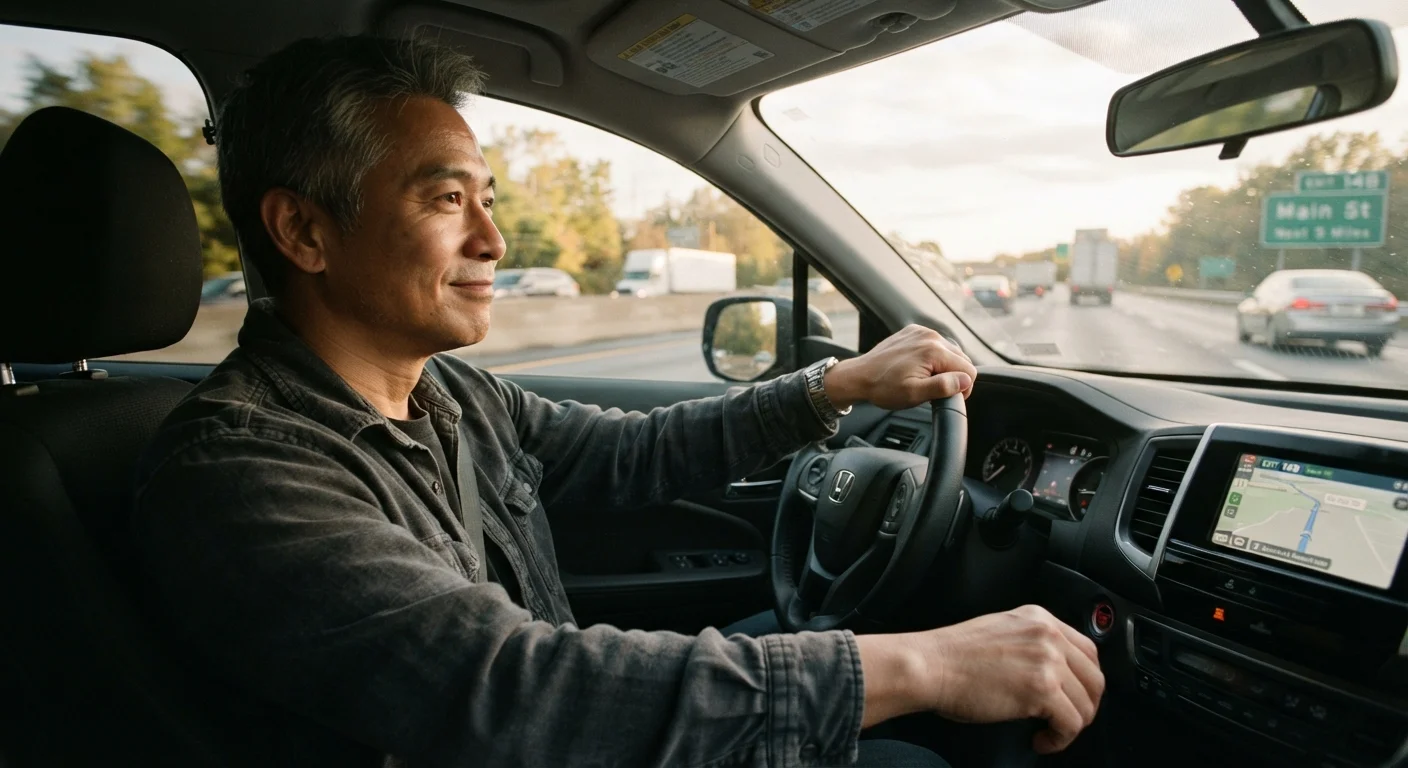
Photo: AscendWit.com | Explore Engaging Blogs. editorial
Key Takeaways
- Experience reduces anxiety but can increase complacency - a different kind of risk.
- Many dangerous driving habits are automatic, developed over years without correction.
- Recognizing your own assumptions is the first step to driving more safely.
- Even small habit adjustments - like checking mirrors more deliberately - reduce crash risk meaningfully.
When Confidence Becomes the Problem
New drivers are cautious by necessity. They don't yet know the roads, the feel of their vehicle, or how other drivers behave - so they pay close attention. But somewhere around year five or ten, that deliberate focus often gives way to autopilot. The brain starts treating driving as routine, and routine is where dangerous assumptions take root.
Research in traffic safety consistently points to a phenomenon sometimes called "skill-induced complacency" - where competence in a task leads to reduced mental engagement. A 2022 analysis published by the AAA Foundation for Traffic Safety found that drivers with more years of experience were more likely to report engaging in distracting behaviors precisely because they felt confident in their ability to multitask. That confidence isn't always warranted.
This isn't about blaming experienced drivers. It's about recognizing that the habits formed early - and never revisited - can drift into territory that raises real risk. Understanding where those drifts happen is how you stay safe for the long haul. For a broader look at safe habits at every experience level, see our complete safe driving reference.
Assuming the posted speed limit is always the appropriate driving speed.
Skipping a full mirror check and blind-spot glance before changing lanes.
Using a hands-free phone and assuming that makes the call safe.
Underestimating how much weather changes stopping distance and vehicle control.
Treating right-of-way at four-way stops and roundabouts as obvious when it isn't.
Why These Habits Are So Hard to Catch
The tricky part about experience-based errors is that they feel right. You've driven this way thousands of times and nothing bad has happened - so your brain files the behavior as safe. Psychologists call this "outcome bias": judging a decision by its result rather than the quality of the decision itself. Getting away with tailgating for a decade doesn't mean tailgating is safe. It means you've been lucky.
Your Driving Record Is Not a Safety Guarantee
Complacency also compounds over time. Small shortcuts - glancing at a phone at a red light, skipping mirror checks before lane changes, rolling through a right-on-red without a full stop - each carry relatively low individual risk. But habitual repetition stacks those risks, and the environment changes around you even when your behavior doesn't. Road conditions, traffic density, and your own reaction time all shift, especially as drivers age.
The practical fix isn't dramatic. It's deliberate. Periodically treat familiar drives with the same attention you'd give an unfamiliar route. Build in intentional mirror checks. Give yourself the following distance you know is correct, not the one that feels comfortable. For a deeper look at how skilled drivers actively scan traffic, our guide on reading traffic before it becomes a problem walks through the specific visual habits worth adopting.
Road behavior doesn't exist in isolation, either. Assumptions about how other drivers will act - that they'll signal, that they'll yield, that they'll stop - are among the most common and most dangerous things experienced drivers carry. Our piece on road rage myths that put drivers in danger addresses how misreading other drivers' intent leads to escalation and crashes.
~87%
Of crashes involve human error
The National Highway Traffic Safety Administration (NHTSA) estimates that human error is a contributing factor in approximately 94% of serious crashes, with driver behavior and decision-making as key elements.
4x
Increased crash risk while using a handheld phone
According to NHTSA, drivers using a handheld phone are approximately four times more likely to be involved in a crash than drivers who are not distracted.
The content on this site is for informational purposes only and is not a substitute for professional advice. Always consult a qualified professional for guidance specific to your situation.