
Nutrition & Diet

Eating Well on a Budget: Practical Strategies That Hold Up in Real Life

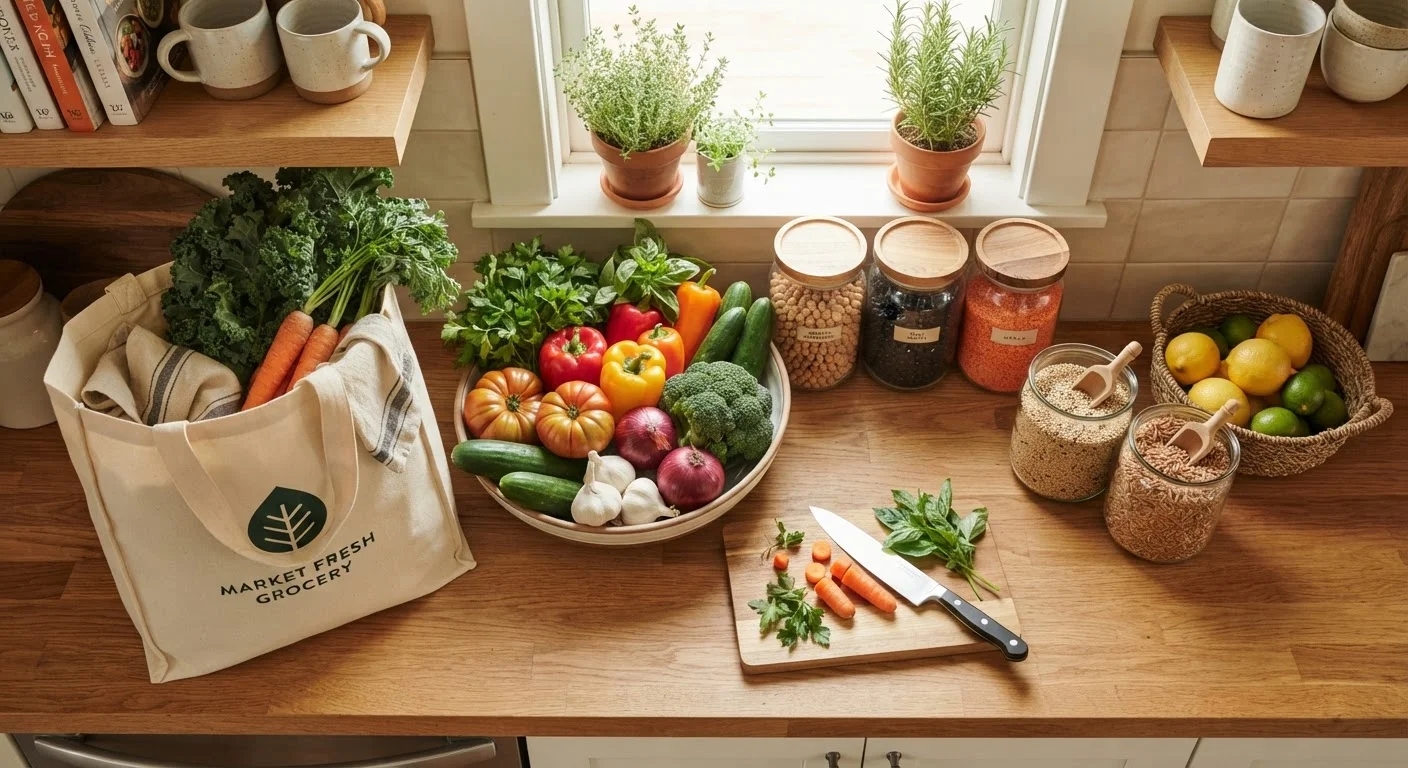
Eating Well on a Budget: Practical Strategies That Hold Up in Real Life

Photo: AscendWit.com | Explore Engaging Blogs. editorial

Concrete ways to stretch grocery dollars without sacrificing nutritional quality—no extreme couponing required.

Key Takeaways

  • Plant proteins like lentils and canned beans cost significantly less per gram than most animal proteins.
  • Buying staple foods in bulk and cooking in batches can reduce both food waste and per-meal costs.
  • Frozen and canned vegetables are nutritionally comparable to fresh and are often cheaper year-round.
  • Planning meals before shopping is one of the most consistent ways to cut grocery spending without cutting nutrition.
  • Store-brand and generic products typically meet the same safety and quality standards as name-brand counterparts.

Why Budget Eating Has a Bad Reputation — and Why It Doesn't Deserve It

The idea that eating healthfully costs more isn't entirely a myth — some nutritious foods do carry higher price tags. But research consistently shows that the gap between a healthy diet and an expensive one is much narrower than most people assume. The USDA's Thrifty Food Plan, updated in 2021, demonstrated that a nutritionally adequate diet can be structured within tight weekly budgets when food choices are intentional.

The bigger driver of high grocery bills is usually not nutrition — it's convenience, variety-seeking, and food waste. This article focuses on practical habits that address those drivers directly, so your dollar goes further without your plate getting emptier. For context on how a grocery strategy fits into a larger household financial picture, see a complete household budgeting framework.

Core Practices for Eating Well Without Overspending

The following strategies are grounded in nutrition evidence and real-world household economics. None requires extreme couponing, a warehouse club membership, or hours in the kitchen every day.

1

Anchor your meals around plant proteins instead of defaulting to meat as the centerpiece.

Dried lentils, canned chickpeas, black beans, and tofu consistently rank among the most affordable protein sources per gram available in US grocery stores. Shifting even two or three weekly meals toward these options produces measurable savings over a month without reducing protein intake. Plant proteins also tend to be high in fiber, offering a nutritional bonus.
Example: A pot of lentil soup made from dried lentils, carrots, onion, and canned tomatoes costs roughly $1–2 per serving and provides substantial protein and fiber in a single dish.
2

Build a weekly meal plan before you write a shopping list — not after.

Planning meals before shopping lets you buy exactly what you'll use, which directly reduces food waste — a major hidden cost for most households. The USDA estimates that American households waste between 30 and 40 percent of the food they buy. A short planning session also prevents the expensive habit of shopping without purpose and filling the cart reactively.
Example: Deciding on five dinners for the week, identifying shared ingredients across those meals (such as onions, canned tomatoes, and olive oil), and writing a list from that overlap prevents redundant purchases and ensures items get used.
3

Treat frozen and canned vegetables as nutritional equals to fresh — and shop accordingly.

Freezing and canning vegetables at peak ripeness largely preserves their vitamin and mineral content. For produce that isn't in season locally, frozen options are often nutritionally superior to fresh items shipped long distances. They also carry no spoilage risk, which means no waste.
Example: Frozen spinach, peas, edamame, and mixed stir-fry vegetables can anchor a wide variety of meals throughout the year at a fraction of what fresh equivalents cost out of season.
4

Cook larger batches and repurpose leftovers intentionally.

Batch cooking reduces the per-meal time and energy cost of eating at home, and it removes the situational pressure that drives takeout decisions on busy nights. Repurposing — using roasted vegetables in a grain bowl one night and a wrap the next — extends ingredients across multiple meals.
Example: A large pot of cooked brown rice prepared once can serve as a side dish, a base for a stir-fry, and an ingredient in a soup across three separate meals in one week.
5

Choose store-brand and generic staples for pantry items without hesitation.

For shelf-stable staples like canned beans, oats, pasta, rice, canned tomatoes, and frozen vegetables, store-brand products are subject to the same federal food safety standards as name-brand equivalents. The price difference is rarely matched by any meaningful quality difference for these categories.
Example: Switching from a name-brand to a store-brand version of canned beans, oats, and pasta — three common pantry staples — can reduce those line items by 20 to 40 percent in a typical US supermarket.

For a deeper look at the nutritional role of high-fiber staples like beans and whole grains, the companion piece on dietary fiber and why most Americans fall short is worth a read.

Quick Moves You Can Make This Week

Not every improvement requires a complete overhaul of your shopping routine. The actions below can generate meaningful results with a single grocery run.

high Before your next grocery trip, write down five meals you'll actually cook this week, then build your entire list from those meals only.
high Swap one meat-centered meal this week for a bean or lentil dish — use canned beans to keep preparation time low.
medium Check your freezer and pantry before shopping and write down what's already there — aim to plan at least one meal around those items.
medium Pick up one store-brand version of a pantry staple you normally buy by brand name, and compare the ingredient list.
medium Buy one bag of dried oats for breakfasts this week instead of boxed cereals — oats are among the most cost-effective whole-grain options available.

30–40%

Food wasted by average US households

According to USDA estimates, American households waste nearly a third to nearly half of the food they purchase — representing significant financial loss.

~$0.25

Approximate cost per serving of dried lentils

Dried lentils routinely offer one of the lowest costs per gram of protein among foods available in US grocery stores, according to USDA food data.

90%+

Vitamin C retained in properly frozen vegetables

Research published in nutrition journals indicates that blanching and flash-freezing vegetables at peak ripeness preserves most heat-stable and water-soluble nutrients effectively.

If you're exploring plant-forward eating as a budget strategy, plant proteins and what they offer nutritionally provides a practical starting point. And if everyday food choices are quietly working against your goals, common nutrition traps hidden in everyday food choices is a useful counterpart to this article.

This article is for general informational purposes only and is not a substitute for personalized nutrition or financial advice. Consult a registered dietitian or qualified financial professional for guidance specific to your situation.

Health Editorial Team

AscendWit.com | Explore Engaging Blogs.

Health Editorial Team is the collective byline for our editorial team and contributor network. Articles published under this byline or an editorial pen name are researched, written, and reviewed according to our editorial standards for clarity, consistency, and independence before publication.

Nutrition & DietFitness & MovementMental Wellness
View author profile

The content on this site is for informational purposes only and is not a substitute for professional advice. Always consult a qualified professional for guidance specific to your situation.