
Teen Drivers and the Graduated License System: A Parent's Overview

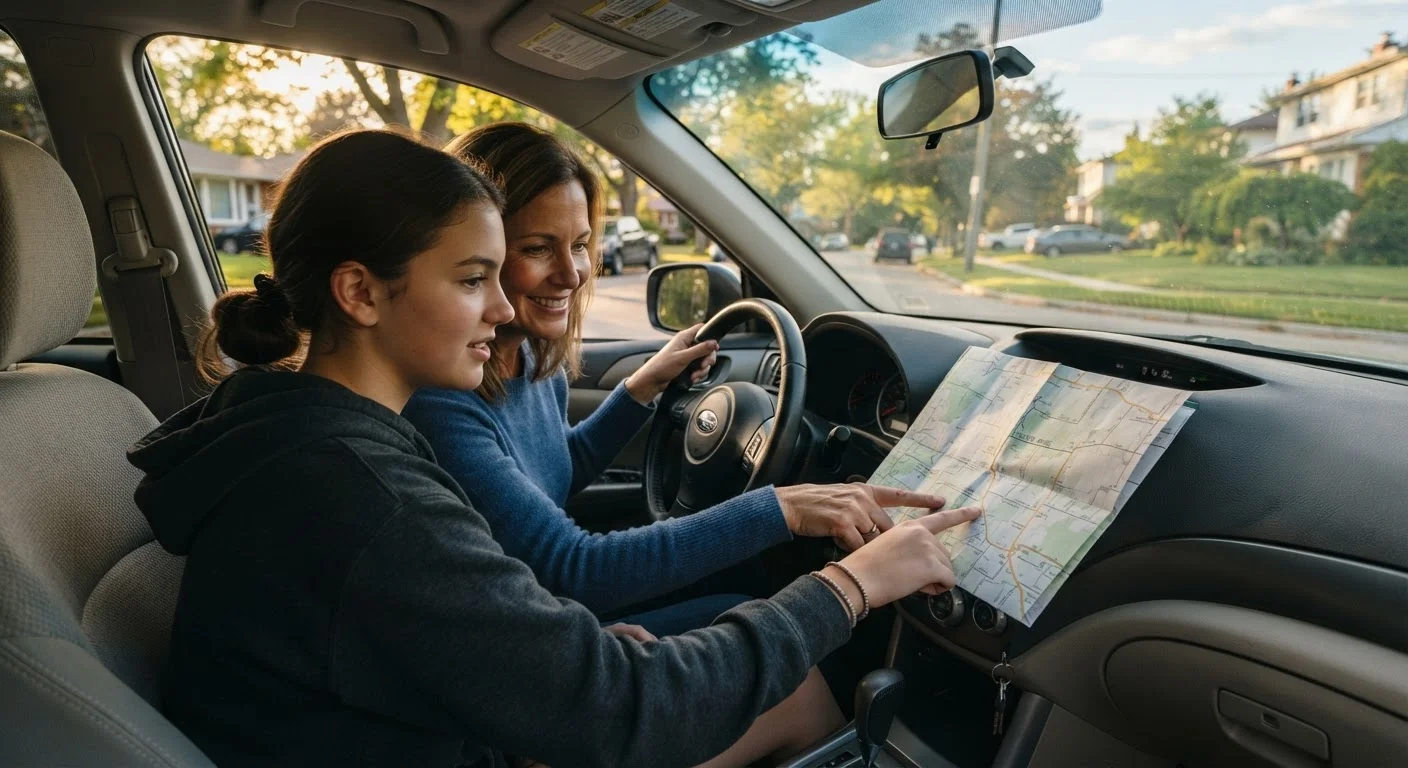
Photo: AscendWit.com | Explore Engaging Blogs. editorial
Key Takeaways
- Graduated licensing programs reduce teen crash rates by limiting exposure to high-risk situations early on.
- All US states use a three-stage system: learner permit, restricted license, then full license.
- Supervised practice hours matter - quality and variety of driving conditions are just as important as total time.
- Nighttime driving and passenger restrictions are among the most evidence-backed teen safety measures.
- Parents who stay actively involved during the supervised stage help teens build lasting safe driving habits.
Why Graduated Licensing Exists
Motor vehicle crashes are one of the leading causes of death among teenagers in the United States, according to the Centers for Disease Control and Prevention. Graduated driver licensing (GDL) programs were developed specifically to address this - not by keeping teens off the road, but by introducing driving privileges in stages tied to experience rather than age alone.
Before GDL laws became widespread in the 1990s, teens could move from a written test straight to full driving privileges with minimal supervised practice. States that adopted GDL systems saw measurable reductions in fatal crashes among 16-year-olds. The system works because it matches a teen's growing skill level to progressively more demanding driving situations, rather than throwing them into full traffic exposure all at once.
Graduated Driver Licensing (GDL)
A phased system that gives new drivers increasing road privileges as they gain experience, rather than granting full access immediately after passing a test.
Learner permit
The first stage of GDL, allowing a teen to drive only with a licensed adult present. It requires passing a written knowledge test.
Restricted license
The second GDL stage. The teen can drive independently but with specific conditions - such as no late-night driving and limits on teen passengers.
Inattentional blindness
A situation where a driver fails to notice something visible on the road because their attention is focused elsewhere - a particular risk for inexperienced drivers.
Prefrontal cortex
The part of the brain that handles impulse control and risk judgment. It continues developing into the mid-20s, which affects how teens assess danger while driving.
The Three Stages of a Graduated License
Every US state uses a version of the same three-stage framework, though specific rules - hours required, waiting periods, age thresholds - vary by state.
Stage 1: Learner Permit
The learner permit requires the teen to pass a written knowledge test covering traffic laws and road signs. With this permit, the teen may only drive with a licensed adult supervisor in the vehicle. Most states require a minimum holding period of six months before advancing.
Stage 2: Restricted (Provisional) License
After completing supervised hours and the holding period, teens can take a road skills test and earn a restricted license. This stage allows independent driving but with key limitations - typically no driving between 11 p.m. and 5 a.m., and a cap on the number of teen passengers allowed. These restrictions are not arbitrary; they target the two highest-risk scenarios for new drivers.
Stage 3: Full License
Once the teen has held the restricted license for the required period (usually six months to a year) without violations, they qualify for a full, unrestricted license. In most states, this happens at 17 or 18.
For a broader view of what comes after earning a license, see our guide for first-time car owners.
The Science Behind Teen Driving Risk
Teen drivers are not simply inexperienced adults - their brains are still developing. The prefrontal cortex, which governs impulse control, risk assessment, and long-term decision-making, does not fully mature until the mid-20s. This means teens are neurologically less equipped to manage the split-second judgment calls driving demands.
Add to this the phenomenon researchers call inattentional blindness - where a driver fails to see something in plain view because their attention is elsewhere - and you understand why distraction is so much more dangerous for new drivers than seasoned ones. Teens also tend to overestimate their own skill level early in the learning process, a well-documented pattern in driving psychology.
The combination of limited experience and still-developing judgment is why nighttime restrictions and passenger limits are among the most evidence-backed elements of GDL systems. Understanding this science helps parents frame rules not as punishment, but as practical safety measures grounded in how the brain works. Our article on how skilled drivers read traffic explains the visual habits teens are still building.
GDL Rules Vary Significantly by State
How Parents Can Help at Every Stage
Research is consistent on one point: teens whose parents stay actively involved during the supervised driving phase become safer drivers. Active involvement means more than logging hours - it means providing structured, varied practice.
- During the permit stage: Introduce driving gradually. Start in empty parking lots, then quiet residential streets, before moving to busier roads. Practice in rain and at dusk, not just ideal conditions.
- During the restricted stage: Maintain a parent-teen driving agreement that outlines phone-free driving, seatbelt use, and what to do if plans change. Review it together - don't just hand it over.
- Throughout both stages: Debrief after drives. Ask open questions: "What was the trickiest part of that route?" This builds self-awareness, not anxiety.
Pair this involvement with a focus on defensive driving principles, which teach teens to anticipate hazards rather than simply react to them.
Make Practice Conditions Count
Common Mistakes and How to Avoid Them
Even well-intentioned parents and motivated teens fall into predictable traps during the GDL process.
- Rushing through the permit stage
- Logging the minimum required hours as fast as possible misses the point. Varied, deliberate practice matters more than volume. Highway merging, parallel parking, and driving in rain are skills that need real repetition.
- Treating the restricted license as a full license
- Teens (and some parents) underestimate how much the restricted stage still matters. The rules exist because crash risk doesn't disappear the moment a teen passes a road test.
- Skipping the conversation about distractions
- Phones are the most common distraction, but not the only one. Friends, music, navigation apps, and emotional stress all compete for attention. These conversations need to happen before incidents, not after.
It's worth noting that experienced drivers are not immune to bad habits either - our article on dangerous assumptions experienced drivers make is a useful read for parents who may need to model better habits themselves. For a comprehensive reference that covers the full arc of safe driving, see Safe Driving from New License to Lifelong Habit.
Your State DMV Website
Each state's Department of Motor Vehicles publishes the exact GDL requirements for that state - required hours, age thresholds, curfews, and exceptions. This is the authoritative source before any stage transition.
AAA Foundation Teen Driver Resources
The AAA Foundation for Traffic Safety publishes research-backed resources for parents and new drivers, including guidance on supervised practice and reducing crash risk.
Parent-Teen Driving Agreement Templates
Many state DMVs and road safety organizations offer free parent-teen driving agreement templates that cover phone use, passengers, curfews, and emergency protocols - a practical tool for setting clear expectations.
Frequently Asked Questions
The content on this site is for informational purposes only and is not a substitute for professional advice. Always consult a qualified professional for guidance specific to your situation.