
Merging, Lane Changes, and Blind Spots: Getting It Right Every Time

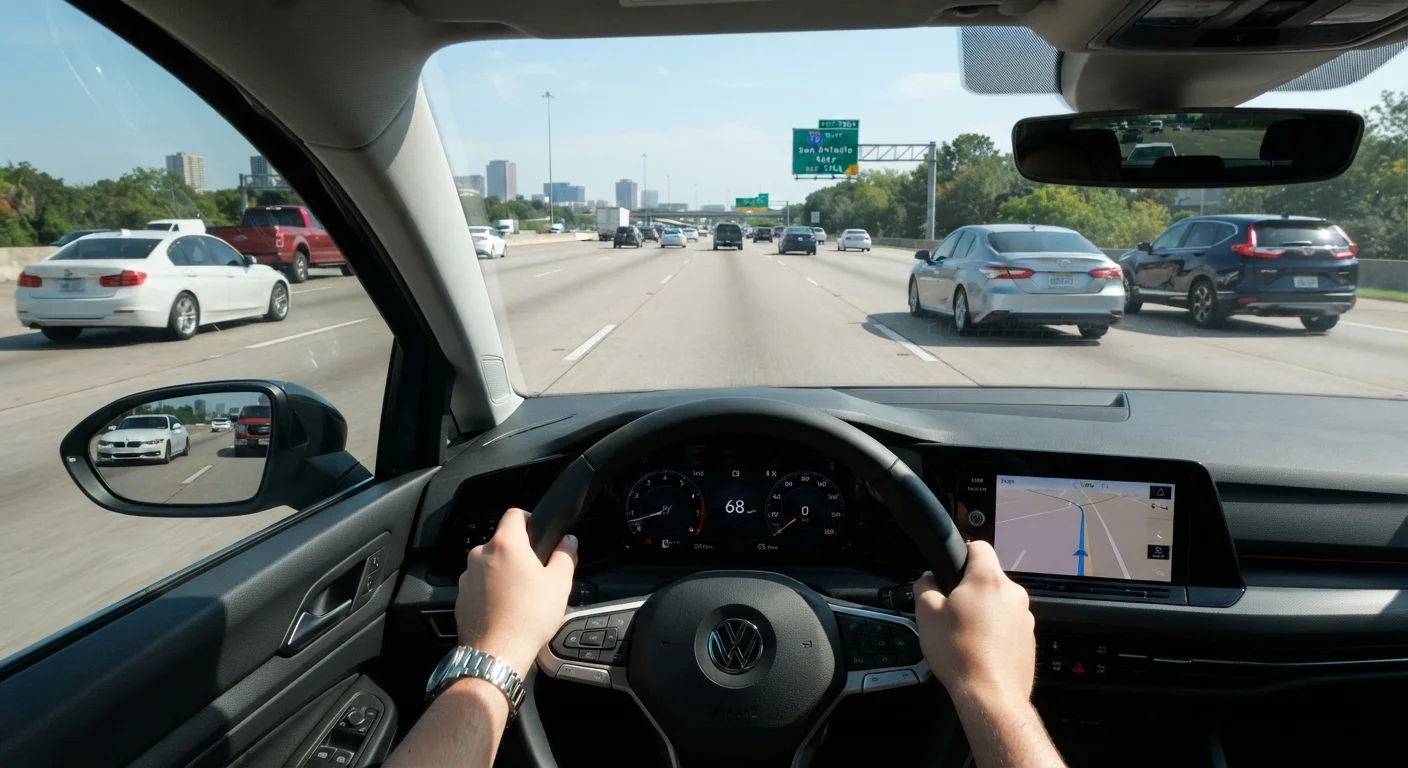
Photo: AscendWit.com | Explore Engaging Blogs. editorial
Key Takeaways
- Blind spots are areas mirrors cannot cover - always physically check them before moving.
- Signal before you check, not after - give surrounding drivers time to react.
- A three-second following gap in your target lane is the minimum safe space to merge into.
- Speed matching with surrounding traffic before moving laterally is critical to safe merging.
- Poor lane-change habits are a leading cause of preventable highway crashes.
Why Lane Changes Go Wrong
Lane changes and merges are among the most common contributing factors in highway crashes. The National Highway Traffic Safety Administration (NHTSA) identifies improper lane changes as a significant factor in multi-vehicle crashes each year. The errors aren't usually dramatic - they're small: signaling late, skipping the blind-spot check, or misjudging a gap. They compound quickly at highway speeds.
Part of the problem is familiarity. The more comfortable a driver feels, the more likely they are to compress or skip steps in the lane-change sequence. As research into experienced driver habits shows, confidence can work against safety when it leads to routine shortcuts. The fix is straightforward: build a consistent, deliberate sequence and run it every single time - no exceptions, no abbreviations.
Adjust Mirrors Before Every Drive
What You'll Need Before You Start
No special equipment is required for safe lane changes, but a few basics need to be in order before you pull onto any multi-lane road.
What you will need
Properly adjusted side and center mirrors
Maximize rearward visibility and shrink blind spot size before you rely on them in traffic.
Working turn signals
Communicate your intent to surrounding drivers with enough lead time for them to respond.
If your vehicle has a blind-spot monitoring system, use it as a supplement - not a replacement - for the physical head check. Sensor systems can be blocked by dirt, snow, or sensor malfunction, and they don't always detect fast-approaching vehicles early enough.
The Complete Lane-Change Sequence
Follow these steps in order, every time. The whole sequence - when it becomes habit - takes only a few seconds. Skipping any step removes part of your safety margin.
Check your center mirror first
Before anything else, glance at your center (rearview) mirror to get a snapshot of what's behind you - how close the nearest vehicle is, how fast it's approaching, and whether anything unusual is happening. This gives you the baseline situational picture you need for every decision that follows.
Signal your intent early
Activate your turn signal before you begin checking side mirrors or moving toward the lane. Most state driver's manuals recommend signaling at least 100 feet before a lane change on surface streets, and earlier on highways. Signaling first gives other drivers time to see your intent and either hold their position or adjust - that reaction window is what prevents crashes.
Scan both side mirrors
Check the side mirror on the side you intend to move toward, then quickly confirm the opposite side mirror as well. You're looking for vehicles that may be pacing you or accelerating into the gap you're targeting. Pay attention to motorcycles and smaller vehicles, which can be harder to spot and may be moving faster than surrounding traffic.
Physically check your blind spot
Turn your head briefly toward the side you're moving into - a quick glance over your shoulder at roughly a 45-degree angle. This covers the zone mirrors can't reach. You're looking for any vehicle - car, truck, bicycle, or motorcycle - that would be directly alongside you if you moved laterally right now.
[important_callout]
Confirm a safe gap and match speed
A commonly cited rule of thumb is a gap of at least three seconds between you and the vehicle ahead in the target lane, and clear space behind you as well. Before moving, adjust your speed so you are already traveling at roughly the same pace as traffic in the target lane. A speed-matched merge is smoother, requires less gap, and creates less disruption to surrounding traffic.
Move smoothly and complete the lane change
Steer gradually into the new lane - no jerking or abrupt moves. Keep both hands on the wheel throughout. Once you're fully in the new lane with your tires well clear of the lane markings, cancel your turn signal if it hasn't self-cancelled. Recheck your mirrors briefly to confirm your new position relative to surrounding traffic.
Never Match Speed After You've Started Moving
Merging from On-Ramps: A Special Case
Freeway on-ramp merges follow the same logic as lane changes but add one critical variable: you're entering a lane of established, fast-moving traffic from a standing or slow start. The acceleration lane exists specifically to let you build speed - use all of it. Watch for a gap as you accelerate, adjust your speed to match highway traffic, signal early, check mirrors and blind spot, then merge smoothly.
Highway drivers in the right lane are not always required to move over for merging traffic, though many will. Don't count on a lane-shift from the vehicle already on the highway. Find your own gap.
For more on reading the full traffic picture around you, see how skilled drivers scan traffic - the visual habits that make merges and lane changes easier to execute before they become urgent.
When Conditions Make It Harder
Rain, night driving, and heavy traffic all raise the stakes for lane changes. Reduced visibility means your mirrors show less, and other drivers may have longer reaction times. In wet or icy conditions, the margin for error during a lane change shrinks because traction is reduced - a sharp steering input can cause a skid. Adapting your approach in bad weather is covered separately, but the short version: slow down, increase your gap requirements, and be extra deliberate about every check before you move.
After dark, mirrors become harder to read and blind-spot checks are less effective because you can only see headlights, not the full shape or size of nearby vehicles. Night driving requires specific habit adjustments - including more conservative lane-change timing and larger gap acceptance.
The fundamentals don't change. What changes is how much buffer you need to execute them safely.
The content on this site is for informational purposes only and is not a substitute for professional advice. Always consult a qualified professional for guidance specific to your situation.