
Defensive Driving Explained: What It Is and Why It Matters

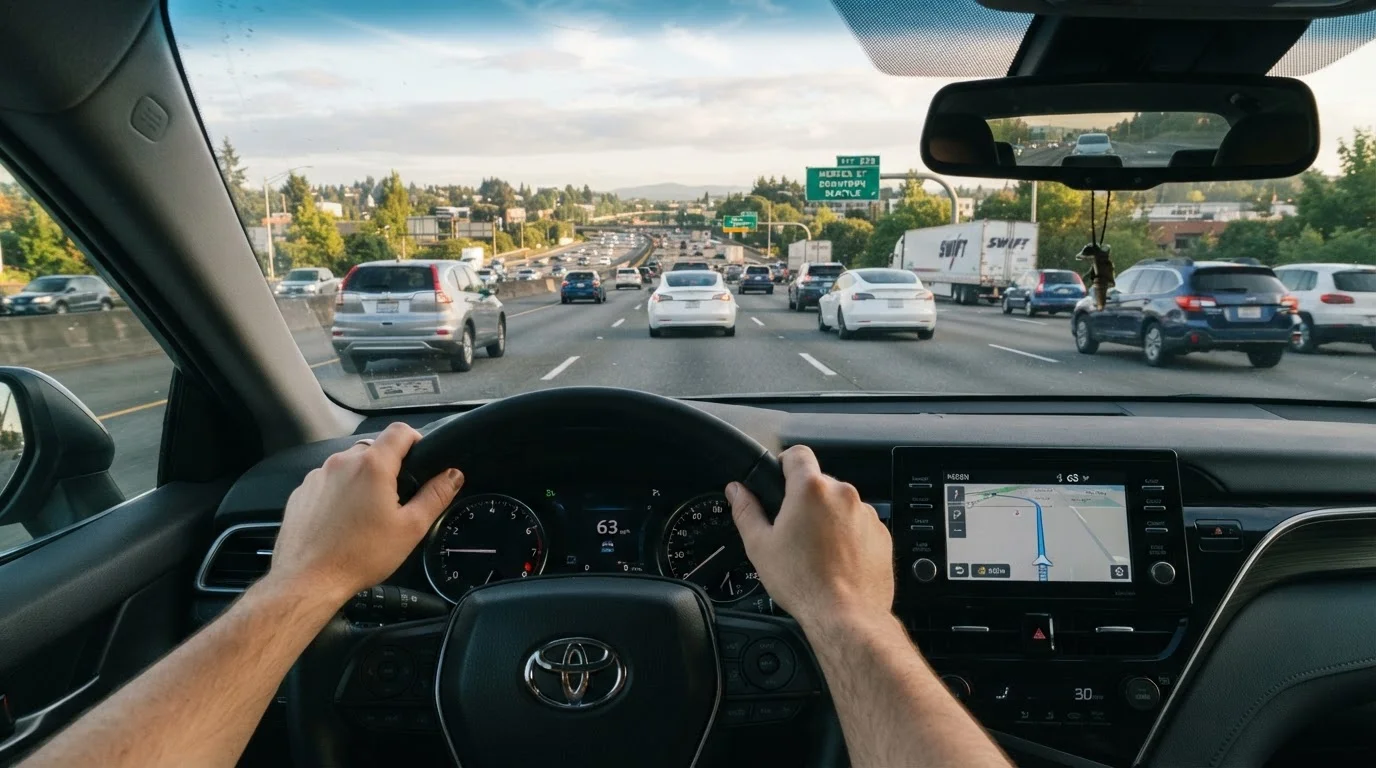
Photo: AscendWit.com | Explore Engaging Blogs. editorial
Key Takeaways
- Defensive driving means anticipating hazards, not just reacting to them.
- It goes beyond obeying traffic laws - it's an active, ongoing mindset.
- Maintaining adequate following distance is one of its most practical core habits.
- Even experienced drivers can sharpen their defensive driving skills.
- Formal defensive driving courses are widely available and often insurer-recognized.
What Defensive Driving Actually Means
The phrase gets used a lot, but it's often misunderstood as simply "driving carefully." Defensive driving is more specific than that. It's a set of habits and mental practices designed to reduce crash risk by anticipating problems rather than just responding to them.
At its core, the approach rests on one key assumption: other drivers, road conditions, and unexpected events will not always cooperate. A defensive driver accepts this reality and builds space - physical space around the vehicle, time to react, and mental attention - to handle whatever comes up.
This is distinct from aggressive driving (pushing through hazards) and from passive driving (assuming everything will be fine). Defensive driving occupies a deliberate middle ground: alert, prepared, and calm. For a broader look at safe habits from day one, see our complete safe driving reference.
The Three-Second Rule in Practice
The Core Habits That Define the Approach
Defensive driving is made up of repeatable, learnable habits. Here are the ones that safety educators and traffic researchers point to most consistently:
- Maintaining following distance. Keeping at least three seconds of space between your vehicle and the one ahead gives you reaction time. In rain, fog, or heavy traffic, that gap should increase.
- Scanning well ahead. Rather than focusing only on the car directly in front, skilled drivers look further down the road to spot slowing traffic, merging vehicles, or lane hazards early. Our guide on reading traffic before it becomes a problem covers this in depth.
- Managing blind spots actively. Mirrors have limits. Shoulder checks before lane changes are a basic but often skipped step.
- Anticipating other drivers' mistakes. Watching for signs that someone may run a red light, drift into your lane, or brake suddenly allows you to position your vehicle defensively - before the error happens.
- Eliminating your own distractions. You can't anticipate hazards while divided. Distracted and impaired driving are among the leading causes of serious crashes - and both are incompatible with a defensive mindset.
94%
Of serious crashes linked to human choice or error
According to data from the National Highway Traffic Safety Administration, the vast majority of crashes involve driver behavior as a critical factor - not mechanical failure or road conditions alone.
3 sec
Minimum recommended following distance
Safety educators and most state driver's manuals recommend at least a three-second gap between vehicles under normal conditions, with more space advised in adverse weather or at highway speeds.
~38,000
Annual U.S. traffic fatalities in recent years
The NHTSA reports that tens of thousands of people die on U.S. roads each year, underscoring why proactive driver habits - not just laws - matter for road safety.
Why Even Confident Drivers Benefit
One of the counterintuitive findings in driver safety research is that experience alone doesn't make someone a defensive driver. Familiarity with a route or years behind the wheel can actually reduce vigilance - a pattern known as complacency. Experienced drivers make dangerous assumptions more often than they realize, precisely because their routine feels low-risk.
Defensive driving interrupts that drift. It's a conscious practice, not an automatic one - which means it needs to be reinforced, not assumed. This is part of why formal defensive driving courses exist and continue to attract drivers of all ages and experience levels.
It also applies in specific high-stress situations. Road conflict, for example, is one area where defensive habits matter enormously. Understanding what actually helps - versus what escalates tension - is covered in our article on road rage myths that put drivers in danger.
“The goal of defensive driving is not to assume the worst about other people - it's to stay ready for the unexpected. Space and attention are your two most valuable tools on the road.”
— National Safety Council, Nonprofit organization focused on eliminating preventable deaths and injuries in the United States
Building the Habit Over Time
Defensive driving isn't a one-time checklist. It becomes reliable through repetition and intentional practice. A few approaches that help:
- Take a recognized course. Many state DMVs and safety organizations offer in-person or online defensive driving courses. These can reinforce habits and fill gaps that years of routine driving can create.
- Practice specific habits deliberately. Pick one - like checking mirrors every eight to twelve seconds - and focus on it for a week. Gradually, it becomes automatic.
- Model the behavior for new drivers. If you drive with a teenager or new driver, narrating your decisions out loud helps both of you. For parents supporting a new driver, understanding the graduated license system is a useful place to start.
The goal isn't perfection - it's building enough awareness and margin that when something unexpected happens, you have options. That's what defensive driving gives you.
Frequently Asked Questions
The content on this site is for informational purposes only and is not a substitute for professional advice. Always consult a qualified professional for guidance specific to your situation.