
Attic and Crawl Space Checks That Most Homeowners Never Do

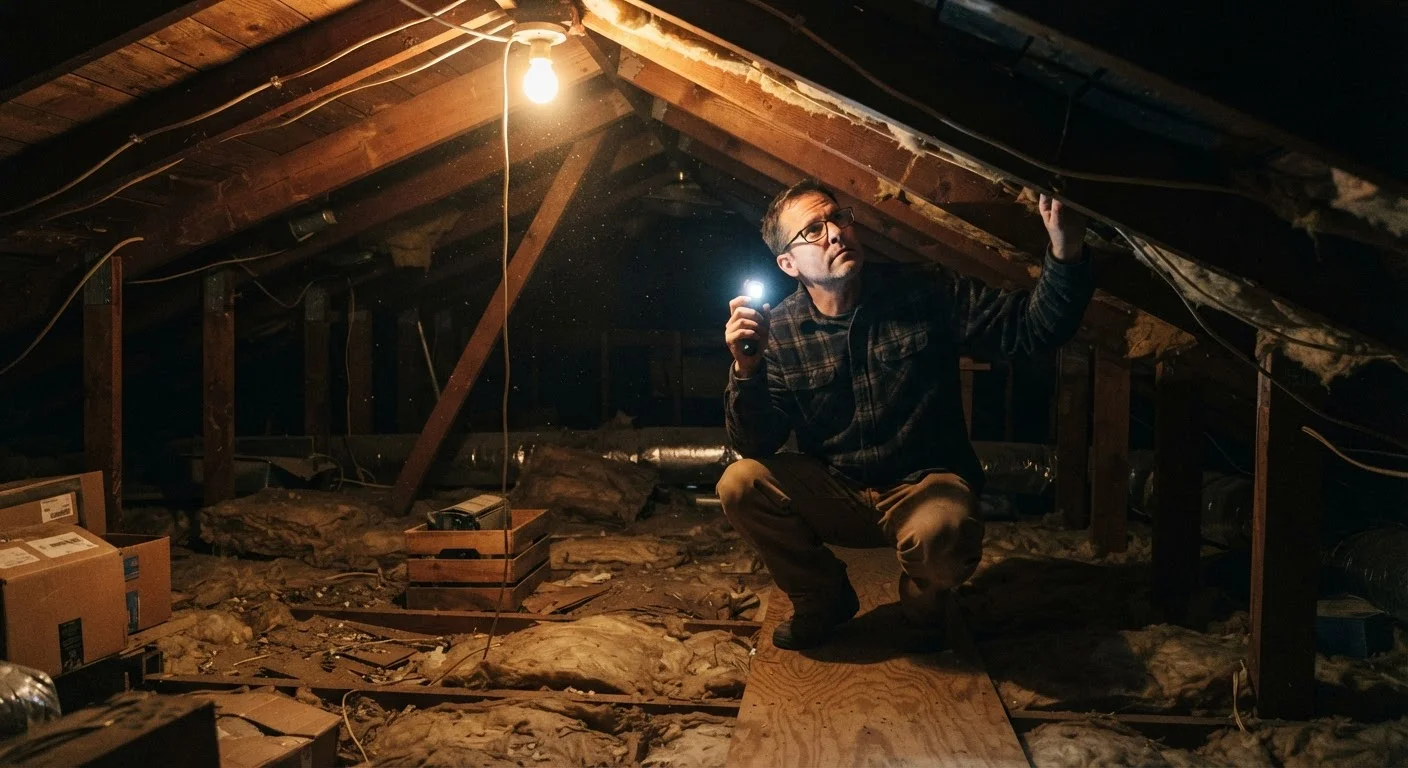
Photo: AscendWit.com | Explore Engaging Blogs. editorial
Key Takeaways
- Moisture, pests, and ventilation problems in attics and crawl spaces often go unnoticed until they cause major structural damage.
- Most of these checks require no special tools - a flashlight, a moisture meter, and basic protective gear are enough.
- Annual inspections of both spaces can prevent expensive repairs and keep energy bills lower.
- Some findings - like active pest infestations or structural damage - require a licensed professional, not a DIY fix.
- Insulation condition and air sealing are two of the most impactful but overlooked areas to inspect.
Why These Spaces Deserve More Attention
Most homeowners regularly inspect what they can see - leaky faucets, peeling paint, squeaky floors. But the attic above your living space and the crawl space beneath your foundation are where serious problems quietly develop: rot, mold, pest damage, failed insulation, and structural compromise can all take hold before any visible sign reaches the rooms you live in.
The good news is that a thorough inspection of both spaces doesn't require specialized training. It does require knowing what to look for. This checklist walks you through the checks that matter most - many of which professional home inspectors flag on routine assessments. As our guide on what home inspections cover explains, attics and crawl spaces are consistently among the most problem-prone areas inspectors examine.
Skipping these areas isn't just an oversight - it's a compounding financial risk. Deferred maintenance in hidden spaces tends to escalate quietly until the repair bill is far larger than an annual check would have cost.
Flashlight or headlamp
Provides hands-free lighting in dark attic and crawl space environments so you can see and document conditions clearly.
Moisture meter
Measures moisture content in wood framing to identify elevated readings that indicate water intrusion or condensation problems.
Dust mask or N95 respirator
Protects against insulation fibers, mold spores, and dust particles in poorly ventilated attic and crawl space environments.
Knee pads and disposable coveralls
Protect your body during crawl space inspections where surfaces are rough, dirty, and potentially contaminated.
Screwdriver (flathead)
Used to probe suspicious or discolored wood framing for soft spots that indicate rot or pest damage.
Camera or smartphone
Documents findings with dated photos for your home maintenance log or for sharing with contractors and inspectors.
Attic Inspection Checklist
Before entering your attic, wear a dust mask or respirator, eye protection, and long sleeves. Never step between joists onto drywall - you'll fall through. Step only on structural framing members or use a walk board.
Attic: Moisture and Ventilation
Attic: Insulation and Air Sealing
Crawl Space: Moisture and Water Intrusion
Crawl Space: Structural and Mechanical
Never Enter an Attic With These Hazards Present
If your attic has active knob-and-tube wiring or aluminum wiring, or if you see any wiring resting directly on insulation, stop and contact a licensed electrician. This is not a DIY situation. Similarly, if you notice sagging rafters, cracked ridge boards, or any structural anomaly, consult a structural engineer or licensed contractor before drawing conclusions.
Ventilation problems in the attic frequently contribute to ice dams in winter and excessive heat buildup in summer - both of which drive up energy costs. Our room-by-room winterization guide covers how attic conditions connect to cold-weather performance throughout the whole house.
Crawl Space Inspection Checklist
Crawl spaces are damp, tight, and easy to ignore - which is exactly why they become problem zones. Bring a flashlight, wear knee pads and disposable coveralls, and never enter a crawl space if you suspect active pest infestation or see standing water without knowing its source.
Standing Water Requires Immediate Action
Moisture is the primary threat in most crawl spaces. A vapor barrier (a sheet of heavy polyethylene plastic) on the ground surface is one of the single most effective tools for controlling ground moisture. If yours is missing, torn, or not properly lapped and taped at seams, it should be a priority repair.
Water intrusion in a crawl space can look subtle at first - a faint musty smell, slight efflorescence on foundation walls, or wood that looks darker than surrounding members. Our article on spotting water damage early describes these early warning signs in detail and helps you distinguish cosmetic staining from active moisture problems.
What to Do With Your Findings
After completing both inspections, sort your findings into three tiers: items you can address yourself (adding weatherstripping, replacing torn vapor barrier sections, clearing vent blockages), items that need a licensed trade professional (structural concerns, electrical issues, active mold colonies, significant pest damage), and items to monitor on a defined schedule.
For HVAC-related findings - like ductwork running through your crawl space that appears disconnected or uninsulated - cross-reference our guide on HVAC maintenance tasks homeowners skip. Duct leaks in unconditioned spaces are a significant source of energy loss that most homeowners never catch.
Document everything with photos and dated notes. A simple log of each inspection - what you found, what you did, what you're watching - becomes valuable if you ever sell the home or need to make an insurance claim. These aren't glamorous tasks, but they are among the highest-return maintenance habits a homeowner can build.
The content on this site is for informational purposes only and is not a substitute for professional advice. Always consult a qualified professional for guidance specific to your situation.