
Home Maintenance

Before the Cold Hits: Winterizing Your Home Room by Room

Before the Cold Hits: Winterizing Your Home Room by Room

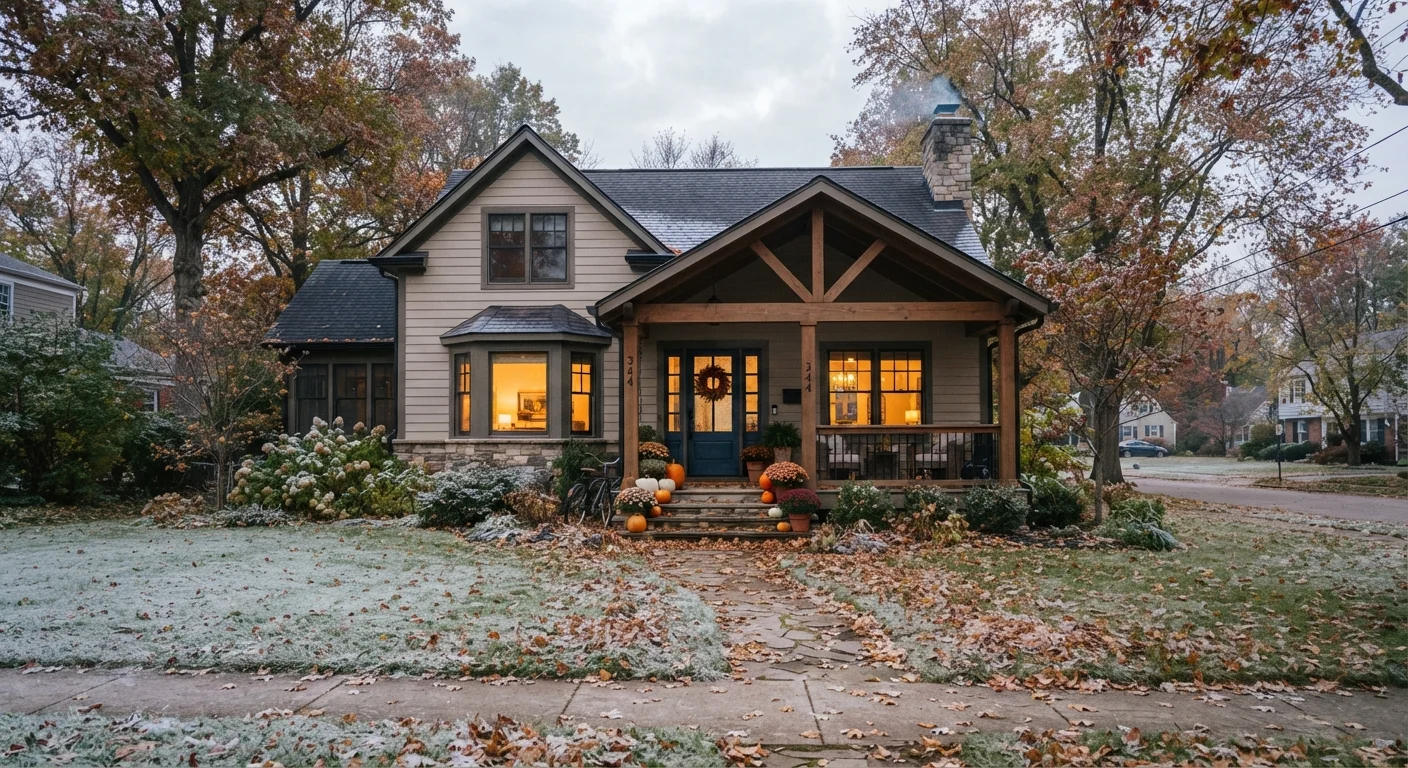
Photo: AscendWit.com | Explore Engaging Blogs. editorial

Walk through each area of your home with this practical winterization checklist designed to prevent frozen pipes, drafts, and heat loss.

Key Takeaways

  • Drafts around windows and doors are among the most common and fixable sources of winter heat loss.
  • Pipes in unheated spaces are the most vulnerable to freezing — insulating them is a must before temperatures drop.
  • Your heating system should be inspected and serviced before the first hard freeze of the season.
  • Attic insulation and ventilation directly affect both comfort and energy costs throughout winter.
  • Renters can complete many of these checks too — some tasks simply require notifying a landlord.

Why Room-by-Room Matters

Winterizing your home isn't a single task — it's a coordinated sweep through every space where cold air, moisture, or heat loss can cause problems. A room-by-room approach ensures nothing gets overlooked. Whether you own your home or rent it, most of these checks cost little to nothing but can prevent repair bills that run into the hundreds or thousands of dollars.

This checklist is part of a broader seasonal rhythm. If you want a full year's perspective, our annual home maintenance calendar maps out what to do in every season. For now, let's focus on getting your home cold-weather ready — room by room.

Windows and Doors

Inspect all window frames and door frames for gaps, cracks, or deteriorated caulk, and re-caulk any openings wider than a hairline. Must
Test weatherstripping on every exterior door by closing the door on a piece of paper — if it slides out easily, the seal needs replacing. Must
Install door draft stoppers on any exterior door where you feel cold air along the bottom. Should
Consider applying interior window film kits to single-pane windows to add an insulating air layer without replacing the glass. Nice to have

Heating System and Basement

Schedule a professional inspection and tune-up of your furnace, boiler, or heat pump before the first hard freeze. Must
Replace the HVAC filter with a clean one rated for your system, and note the date so you remember when the next change is due. Must
Insulate exposed pipes in the basement, garage, and utility areas using foam pipe sleeves available at hardware stores. Must
Know the location of your main water shut-off valve so you can act quickly if a pipe does freeze or burst. Must
Test your thermostat by raising the set temperature and confirming heat kicks on promptly — replace batteries if it's a wireless model. Should
Check that basement vents are not blocked by stored items, which can reduce airflow and increase freeze risk. Should

Kitchen and Bathrooms

Open cabinet doors under sinks on exterior walls during very cold nights to allow warm air to reach pipes. Must
Inspect the caulk around your bathtub, shower surround, and sink — reseal any cracks to prevent moisture damage that worsens in cold weather. Should
Disconnect and drain garden hoses from outdoor spigots, then shut off the interior valve for those lines if your home has one. Must
Install foam covers on exterior hose bibs (spigots) for an extra layer of frost protection. Should

Attic and Exterior

Clean gutters of leaves and debris so melting snow can drain freely rather than backing up as ice dams. Must
Check attic insulation depth — most US climate zones benefit from at least R-38 coverage; top up if you can see the floor joists. Should
Verify attic vents are unobstructed — proper ventilation prevents moisture buildup and ice dam formation. Should
Inspect your roof for missing, curled, or damaged shingles that could allow water intrusion from snow and ice — contact a licensed roofer for any repairs. Must
Trim tree branches that hang over the roof or power lines, as ice and snow load can bring them down. Should

Safety and Emergency Readiness

Test all smoke detectors and carbon monoxide detectors, replacing batteries and any units older than 10 years. Must
Assemble or refresh a basic winter emergency kit including flashlights, extra batteries, blankets, and a battery-powered or hand-crank radio. Should
Confirm you have rock salt or sand on hand for icy walkways and steps before the first storm arrives. Should
Program local utility emergency numbers and your plumber or HVAC technician's contact into your phone now, before an urgent situation arises. Nice to have

What You'll Need Before You Start

Gather your supplies before you begin. Having everything on hand means you can move through each room without interruption.

Required

Caulk gun and exterior-grade caulk

Sealing gaps around window frames, door frames, and exterior penetrations to block drafts.

Required

Weatherstripping

Replacing worn seals on exterior doors to stop cold air from entering around the perimeter.

Required

Foam pipe insulation sleeves

Wrapping exposed pipes in unheated spaces to reduce the risk of freezing.

Required

Flashlight or headlamp

Safely inspecting dim areas like attics, crawl spaces, and behind appliances.

Required

Ladder (6–8 ft)

Reaching gutters and accessing attic hatches safely — use only on stable, level ground.

Required

Replacement HVAC filter

Swapping out the current filter to maintain airflow and heating efficiency.

Optional

Exterior hose bib covers

Insulating outdoor spigots against frost after garden hoses are disconnected.

Optional

Interior window insulation film kit

Adding a secondary insulating layer to single-pane windows without glass replacement.

Keep a notepad or use your phone to log anything that needs a professional — particularly any gas-line, electrical, or structural concerns you spot along the way.

Renters: Check Before You Change

If you rent your home, some of these tasks — like adding weatherstripping or insulating pipes — may require landlord approval or action. Review your lease and notify your landlord in writing about any drafts, pipe vulnerabilities, or heating concerns. Documenting your outreach protects you if problems arise later.

Gas Lines and Electrical Work: Call a Pro

Never attempt to repair, adjust, or inspect gas lines, gas valves, or electrical panels yourself. These systems require a licensed professional and, in most US jurisdictions, a permit. If you smell gas, leave immediately and call your utility provider from outside the home.

Heating System and Utility Areas

Your furnace, boiler, or heat pump is the engine of your winter comfort. Issues here affect the whole house, so this area deserves particular attention. For a deeper dive into HVAC upkeep, see our guide on furnace tune-ups and HVAC filters.

Don't Skip the Furnace Inspection

A furnace that hasn't been serviced can fail during the coldest stretch of winter — or worse, develop a carbon monoxide leak. Carbon monoxide is odorless and colorless, making a functioning CO detector non-negotiable. Schedule a licensed HVAC technician for an annual inspection before cold weather sets in, and never run a gas oven or outdoor grill indoors as a heat source.

Don't overlook your basement, utility closet, and garage — pipes in these unheated or poorly heated spaces are the first to freeze when temperatures plunge.

Attic, Crawl Spaces, and the Exterior

The spaces above and below your living area are where heat quietly escapes and moisture silently accumulates. Our separate guide on attic and crawl space checks goes into greater detail, but the checklist above covers the most critical winterization steps. On the outside, gutters packed with leaves become ice dams; a cracked driveway becomes a trip hazard after a freeze-thaw cycle.

Once you've worked through this checklist indoors and out, consider running through a similar audit for your vehicle — our seasonal car care guide walks through cold-weather prep for your car with the same practical approach.

This article is for general informational purposes only. Always consult a licensed contractor, plumber, or HVAC professional for work involving gas lines, electrical systems, structural components, or any repair that may require a local permit or inspection. Requirements vary by location — verify with your local building authority.

Home Editorial Team

AscendWit.com | Explore Engaging Blogs.

Home Editorial Team is the collective byline for our editorial team and contributor network. Articles published under this byline or an editorial pen name are researched, written, and reviewed according to our editorial standards for clarity, consistency, and independence before publication.

Home MaintenanceHome DécorReal Estate Basics
View author profile

The content on this site is for informational purposes only and is not a substitute for professional advice. Always consult a qualified professional for guidance specific to your situation.