
What Deferred Maintenance Actually Costs Homeowners Over Time

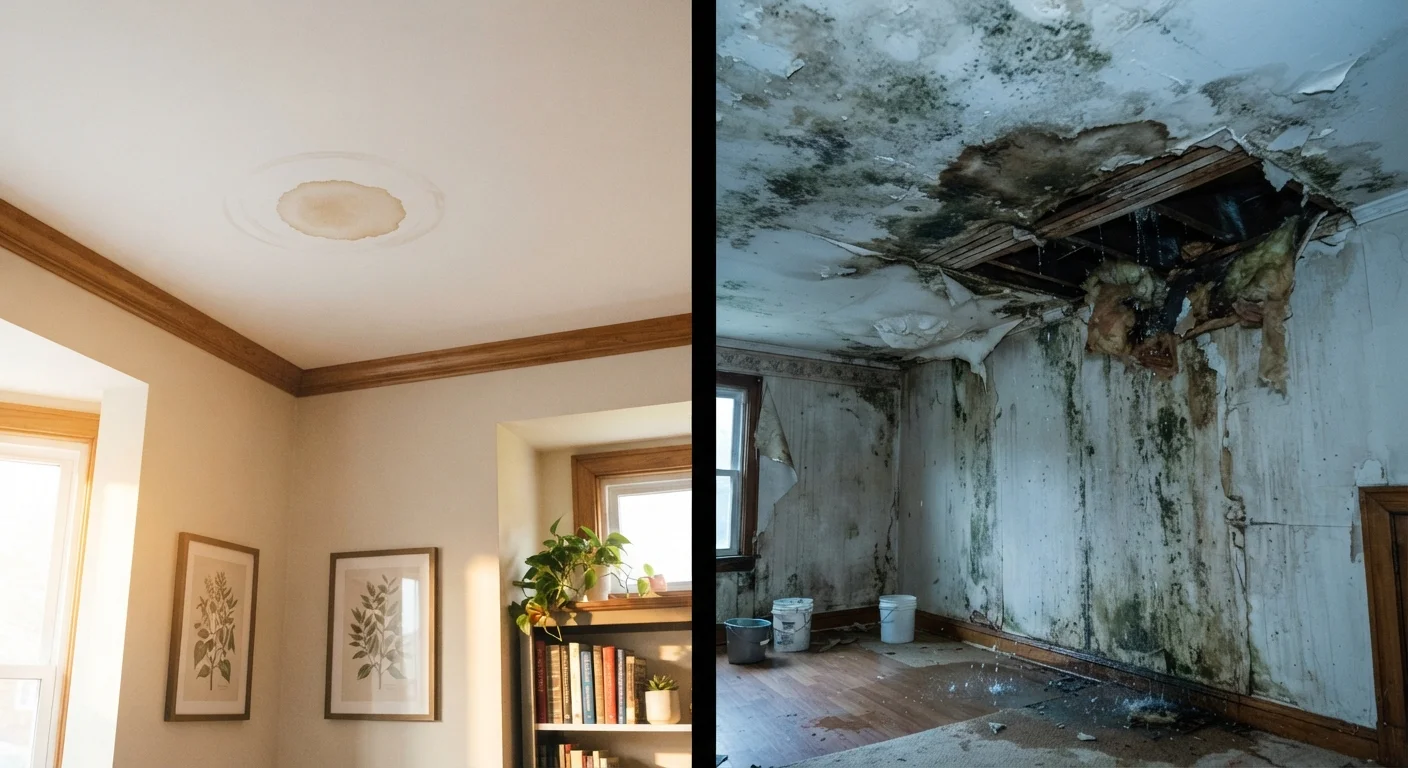
Photo: AscendWit.com | Explore Engaging Blogs. editorial
Key Takeaways
- Small neglected repairs routinely compound into damage that costs several times more to fix.
- Water intrusion, HVAC neglect, and roof damage are among the costliest categories of deferred maintenance.
- Catching problems early - through regular walkthroughs - is the most effective cost-control strategy.
- Deferred maintenance can reduce a home's resale value and complicate future sales or refinancing.
- A dedicated home maintenance fund helps avoid the financial shock of emergency repairs.
Why Skipping Small Repairs Is Never Really Free
Most deferred maintenance doesn't announce itself dramatically. It starts as a slow drip under the sink, a hairline crack in the caulk around a tub, or an HVAC filter that's been overdue for three months. These things feel minor - and individually, they often are. The problem is that homes are interconnected systems, and small failures have a habit of recruiting larger ones.
Moisture that enters through a failing roof flashing doesn't stay at the roof line. It migrates into insulation, wall cavities, and framing. What might have been a straightforward flashing repair can escalate into mold remediation, drywall replacement, and structural repair over a few seasons. The original fix might have cost a few hundred dollars; the compounded problem can run into the thousands.
This pattern - a manageable problem left alone until it becomes an unmanageable one - is at the core of what deferred maintenance actually costs homeowners. Just as delaying debt payments compounds interest, delaying home repairs compounds damage.
Catch It Early, Spend Far Less
The Categories That Cost the Most When Neglected
Not all deferred maintenance carries the same financial risk. Some categories escalate far faster and more expensively than others. Understanding where the high-stakes items are helps homeowners prioritize limited time and budgets.
- Roofing: Missing shingles, failed flashing, and deteriorated sealant are entry points for water. Even a modest roof leak, left unaddressed, can compromise insulation and framing within a single rainy season.
- HVAC systems: Skipping filter replacements and annual tune-ups degrades efficiency and strains components. A system running harder than it should wears out years sooner than one that's properly maintained. See our guide to HVAC upkeep tasks for specifics on what to prioritize and how often.
- Plumbing: Slow leaks beneath sinks or behind walls quietly rot subfloors and wall framing. By the time damage becomes visible, the scope of the repair is often substantial.
- Foundation and drainage: Poor grading or clogged gutters push water toward a home's foundation. Over time, hydrostatic pressure can cause cracking and settling that is extremely costly to correct.
- Exterior caulk and seals: Windows, doors, and penetrations rely on intact seals to keep water and air out. Deteriorated caulk is inexpensive to replace - but the drafts and water intrusion it allows are not.
1-4x
Cost multiplier when repairs are delayed
Home maintenance professionals commonly note that deferred repairs frequently cost several times more once secondary damage is factored in.
~$4,000+
Typical water damage restoration cost
Industry estimates for interior water damage restoration vary widely, but moderate cases routinely run into the thousands before structural or mold remediation is included.
10-15 yrs
HVAC lifespan lost to poor maintenance
HVAC systems that miss routine servicing can fail significantly sooner than their designed service life, according to general guidance from heating and cooling industry sources.
How Deferred Maintenance Affects Resale and Refinancing
Beyond repair costs, postponed maintenance creates financial friction at exactly the moment homeowners can least afford it: when trying to sell or refinance. Appraisers are trained to identify deferred maintenance, and visible neglect - peeling paint, aging roofs, damaged gutters - can pull an appraisal below the figure needed to support a transaction.
Lenders may also require repairs as a condition of financing, which can delay closings or push costs onto the seller at the negotiating table. First-time sellers are often surprised to discover that what felt like a minor aesthetic issue to them reads as a red flag to a buyer's inspector.
If you're newer to homeownership, our primer for first-time owners covers the essential upkeep basics that help prevent this situation from developing in the first place.
“Deferred maintenance is essentially a loan against your home's future - the longer you carry it, the more expensive the repayment becomes.”
— Home Editorial Team, Editorial perspective on home maintenance financial planning
Practical Ways to Stay Ahead of the Cycle
The most effective way to manage deferred maintenance costs is to interrupt the cycle before it starts. A few practical habits make a meaningful difference:
- Walk your home seasonally. A quick interior and exterior walkthrough each season - checking for cracks, staining, pooling water, or unusual sounds - catches problems when they're still small. Pay particular attention after heavy rain or temperature extremes.
- Keep a maintenance log. Recording when filters were changed, when the roof was last inspected, or when caulk was last replaced helps you stay on schedule and provides documentation that's useful at resale.
- Treat water intrusion as an emergency. Any evidence of moisture - staining, musty odors, soft flooring - should be investigated promptly, not monitored. Water damage accelerates quickly.
- Build a maintenance fund. Having dedicated savings for home upkeep avoids the situation where a repair gets deferred purely because the money isn't available. Our article on sizing a home maintenance fund walks through the logic behind this approach.
It's also worth noting that some popular assumptions about home care can lead homeowners astray. Our look at common home maintenance myths addresses several beliefs that end up costing more than they save.
This article provides general home maintenance education and is not a substitute for advice from a licensed contractor or qualified professional. Costs, timelines, and local code requirements vary - always verify with a professional before undertaking significant repairs.
Frequently Asked Questions
The content on this site is for informational purposes only and is not a substitute for professional advice. Always consult a qualified professional for guidance specific to your situation.