
Spotting Water Damage Early: The Signs Hidden in Plain Sight

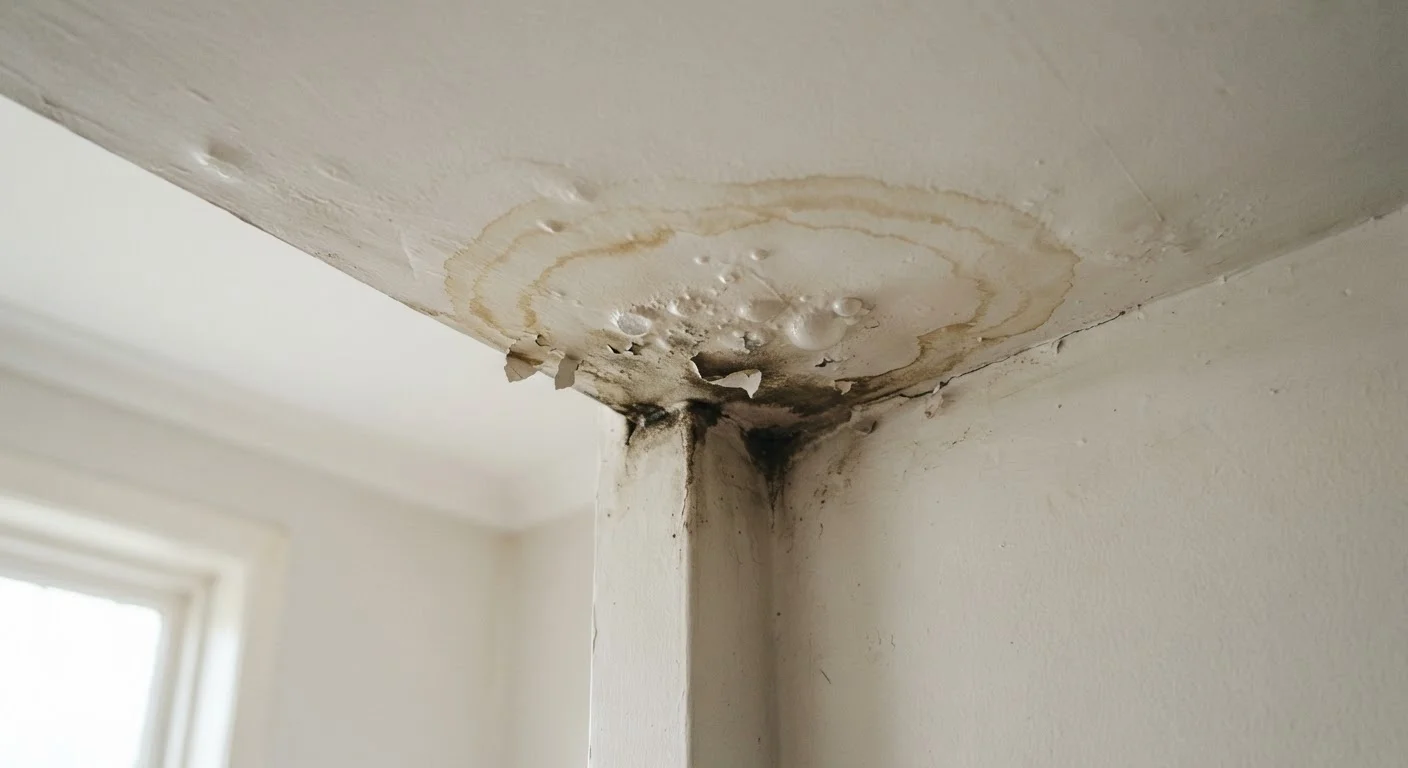
Photo: AscendWit.com | Explore Engaging Blogs. editorial
Key Takeaways
- Water stains on ceilings, walls, or floors often signal an ongoing leak, not a one-time event.
- A musty odor in a room without obvious dampness frequently points to hidden mold growth.
- Warped, buckling, or soft flooring is a reliable indicator of moisture beneath the surface.
- Paint or wallpaper that bubbles, peels, or blisters can mean water is trapped behind the wall.
- Early detection dramatically reduces repair costs compared to addressing fully developed damage.
- Renters and homebuyers should inspect these signs just as carefully as current homeowners.
Why Water Damage Hides So Well
Water is patient. It follows the path of least resistance - seeping through hairline cracks, traveling along joists, pooling inside wall cavities - often for weeks or months before anything looks obviously wrong. By the time a ceiling visibly sags or a floor openly warps, the moisture has frequently been at work far longer than most people realize.
This is what makes early detection so valuable. The visible symptoms almost always lag behind the actual problem. Learning to recognize the early indicators - not just the dramatic ones - gives you a meaningful window to act before repair costs escalate. As our article on what deferred maintenance actually costs homeowners explains, small moisture problems left unaddressed have a well-documented tendency to compound quickly.
When to Call a Professional
Visual Clues Worth Taking Seriously
The most accessible early warning signs are ones you can see during a casual walkthrough of your home:
- Stain rings on ceilings or walls. A yellowish or brownish discoloration - especially one that forms a ring pattern - is a classic sign of a leak that wet the surface and then dried, repeatedly. The ring marks where minerals were deposited as water evaporated.
- Bubbling, peeling, or blistering paint. Paint loses adhesion when moisture gets behind it. Bubbles on an interior wall or ceiling, especially in rooms that aren't bathrooms, deserve investigation.
- Warped or buckled flooring. Wood and laminate floors absorb moisture and expand. If planks are lifting at the edges, cupping, or feel springy underfoot, water is likely underneath them.
- Rust stains near fixtures. Rust-colored streaks below a faucet, around a toilet base, or near a supply line can signal a slow, persistent drip - even if you can't see standing water.
Homebuyers in particular should scan for these signals during property tours. Our guide on things first-time buyers overlook when touring a home covers these and other easily missed red flags.
Use a Flashlight for a Better Look
What You Can Smell and Feel
Not every warning sign is visible. Two of the most reliable indicators involve your other senses:
Musty or earthy odor. Mold and mildew produce distinctive volatile compounds that create a smell often described as musty, damp, or like old books. If a room consistently smells this way - particularly a basement, bathroom, or closet with exterior walls - treat it as a prompt to look more carefully, not just a ventilation issue to mask.
Be aware that painting over mold or using strong cleaners without addressing the moisture source doesn't solve the problem. Our related article on home maintenance myths that could be costing you money addresses this common misconception directly.
Soft or spongy surfaces. Run your hand along baseboards or press gently on drywall in moisture-prone areas. Healthy drywall feels firm; water-damaged drywall feels soft, slightly crumbly, or gives slightly under pressure. The same test applies to wood trim and subflooring accessible from below.
~14,000
US homes affected by water damage daily
According to general insurance industry estimates, water damage and freezing claims are among the most common home insurance claims filed annually in the United States.
~$13,000
Average cost of a water damage insurance claim
Industry data from insurance research organizations suggests the average paid claim for water damage and freezing sits in this range, though costs vary widely by severity and material.
24-48 hrs
Time for mold to begin growing on wet materials
The EPA notes that mold can begin to develop on damp building materials within 24 to 48 hours under the right conditions, underscoring the urgency of early detection.
High-Risk Zones to Inspect Regularly
Certain areas of a home are structurally more vulnerable to moisture infiltration and deserve more frequent attention:
- Under sinks - both kitchen and bathroom. Check the cabinet floor and the back wall for discoloration or soft wood.
- Around the base of toilets and tubs. Failed caulk or grout allows water to seep under the floor with every use. Our guide on grout, tile, and sealant maintenance walks through how to inspect and maintain these barriers.
- Basement walls and floors. Efflorescence - white, chalky mineral deposits on concrete - indicates water has been moving through the wall, even if it appears dry when you look.
- Attic spaces. Dark staining on roof sheathing or insulation that appears matted or displaced can indicate a roof leak or condensation problem working its way downward.
Making a habit of checking these zones every few months - especially after heavy rain seasons - significantly increases your chances of catching problems while they are still manageable.
Frequently Asked Questions
The content on this site is for informational purposes only and is not a substitute for professional advice. Always consult a qualified professional for guidance specific to your situation.