
HVAC Filters, Furnace Tune-Ups, and the Maintenance Homeowners Skip Most

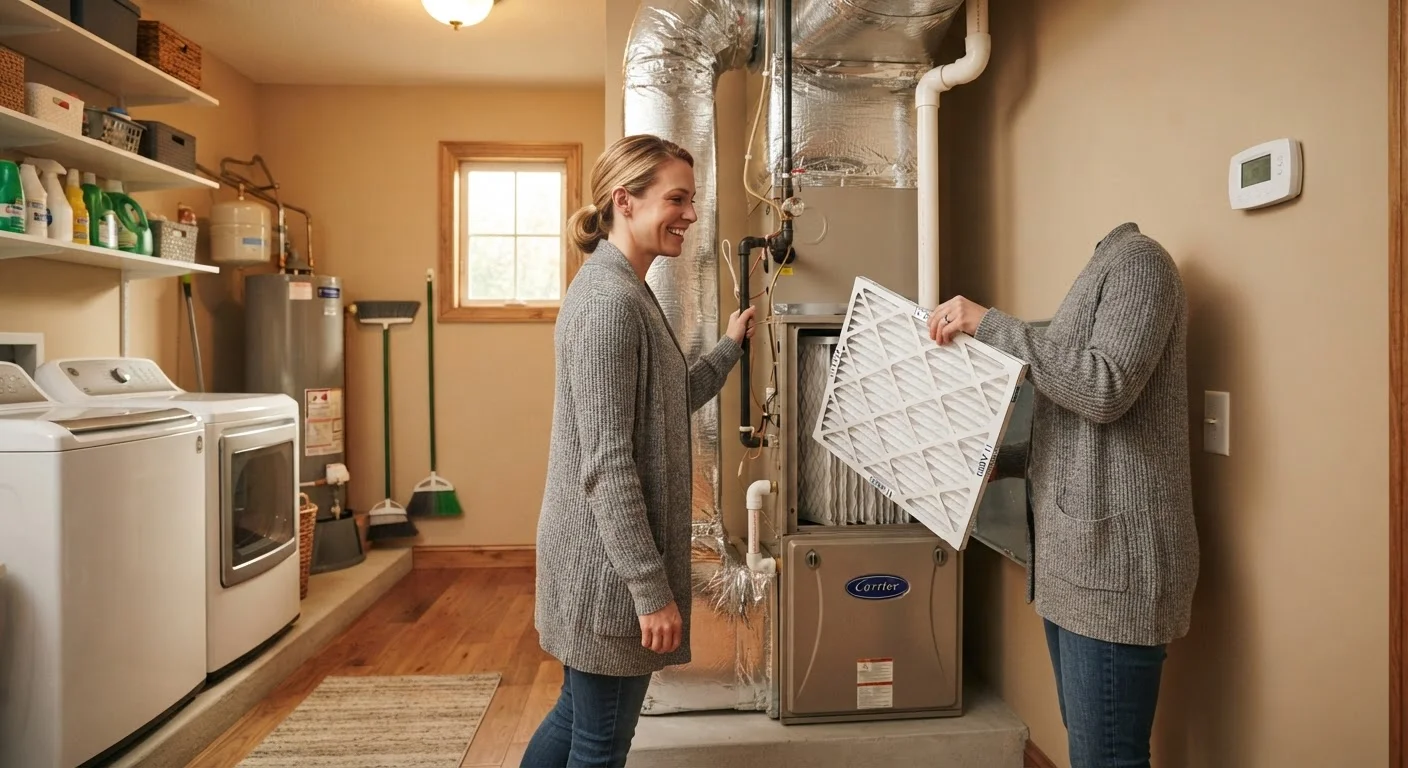
Photo: AscendWit.com | Explore Engaging Blogs. editorial
Key Takeaways
- Most HVAC filters should be replaced every 1-3 months depending on filter type and household conditions.
- Annual professional furnace tune-ups catch small problems before they become costly breakdowns.
- Dirty coils, clogged drains, and blocked vents are common issues homeowners unknowingly ignore.
- Simple preventive steps can extend equipment lifespan and reduce monthly energy bills.
- Neglecting HVAC maintenance often results in repair costs that far exceed the price of upkeep.
Why HVAC Maintenance Gets Skipped
Heating and cooling systems do their job invisibly - until they don't. Because the equipment is tucked away in basements, attics, or utility closets, it rarely surfaces in a homeowner's mental checklist the way a leaky faucet or peeling paint would. The result: HVAC maintenance is among the most deferred home upkeep categories, right alongside attic and crawl space checks. (See what homeowners commonly overlook in those hidden spaces for more on out-of-sight problems.)
The cost of that neglect compounds quietly. Skipping a $15 filter replacement can eventually contribute to a seized blower motor or frozen evaporator coil - repairs that can run into the hundreds or thousands of dollars. For a broader look at how deferred maintenance escalates, see what deferred maintenance actually costs homeowners over time.
The good news: HVAC upkeep isn't complicated. The tasks below are the ones most commonly skipped - and most worth doing.
Replace Air Filters on Schedule
Air filters are the single most frequently skipped HVAC task, yet they're also the easiest to address. A clogged filter restricts airflow, forcing your system to work harder, reducing efficiency, and accelerating wear on the blower motor.
As a general guideline: basic fiberglass filters should be replaced roughly every 30 days; standard pleated filters every 60-90 days; and higher-MERV or thicker media filters every 3-6 months. Homes with pets, occupants with allergies, or high dust levels may need more frequent changes. Check the filter by pulling it out and holding it up to light - if light doesn't pass through easily, replace it.
A clogged filter is the single easiest cause of HVAC strain - and the simplest to fix.
Schedule an Annual Professional Tune-Up
A certified HVAC technician inspecting your system once a year - ideally in early fall for heating systems and early spring for cooling - can catch issues that aren't visible to the homeowner: refrigerant levels, electrical connections, heat exchanger cracks, and calibration of controls.
This isn't optional maintenance for aging systems. A cracked heat exchanger, for example, can allow combustion gases to enter living spaces - a serious safety concern. Annual inspections also keep manufacturer warranties valid on newer equipment, a condition many homeowners overlook until they need to make a claim.
An annual technician visit can catch cracked heat exchangers and gas issues before they become emergencies.
Clean the Condensate Drain Line
Central air conditioners and high-efficiency furnaces produce condensation as they operate. That moisture drains away through a condensate line - a small PVC pipe that can become clogged with algae, mold, or debris over time.
A blocked drain line leads to water backing up into the drain pan, which can overflow and cause water damage to ceilings, walls, or flooring. Homeowners can periodically flush the line with a cup of diluted white vinegar to inhibit growth, and check that the drain pan itself is clean and dry. If the pan shows standing water or staining, it's worth having a technician inspect it.
A clogged condensate line is a surprisingly common source of hidden water damage in homes.
Clear and Check Vents and Registers
Supply and return vents get blocked by furniture, rugs, drapes, and built-up dust more often than homeowners realize. Blocked return vents especially create negative pressure imbalances that reduce system efficiency and can cause premature equipment failure.
Walk through your home periodically and confirm that all supply registers are open (unless a qualified technician has recommended closing specific ones) and that return air grilles are unobstructed. Vacuum register faces to remove dust buildup. If certain rooms feel significantly warmer or cooler than others, airflow obstruction or duct issues may be the cause.
Blocked return vents create pressure imbalances that quietly wear down HVAC components over time.
Inspect and Clean the Outdoor Condenser Unit
The outdoor unit of a central air conditioner or heat pump draws air through its coil fins to shed heat. Leaves, grass clippings, cottonwood fluff, and debris collect against those fins and reduce airflow, cutting efficiency and straining the compressor.
At the start of cooling season, gently rinse the exterior coil fins with a garden hose (spraying from the inside out if possible), and clear any vegetation growing within two feet of the unit. Avoid using a pressure washer, which can bend delicate fins. Keep the area around the unit free of clutter year-round, and never cover a running unit with a tarp or enclosure.
Debris against outdoor coil fins quietly reduces cooling efficiency and strains the compressor all season.
Test and Replace Thermostat Batteries
Programmable and smart thermostats typically run on AA or AAA batteries. When those batteries weaken, the thermostat can behave erratically - losing programmed schedules, failing to signal the system to start, or displaying inaccurate temperatures.
Many homeowners blame their HVAC system for these symptoms when the thermostat is the actual culprit. Replacing batteries annually (most manufacturers suggest doing it at the start of heating season) is a two-minute task that eliminates this variable. If your thermostat is hardwired, check the display for any low-battery or error indicators that could point to a wiring or settings issue.
Weak thermostat batteries are a frequently missed cause of unexplained HVAC performance problems.
Putting It All Together
None of these tasks requires advanced mechanical skill, and most take under an hour. The key is scheduling them before you need them - ideally as part of a broader home maintenance routine. A season-by-season home maintenance calendar can help you anchor HVAC tasks to specific times of year so nothing slips through.
Create a Simple HVAC Reminder System
If you're newer to homeownership and feel unsure where HVAC fits in the bigger picture, this primer for first-time owners covers the essentials in plain language. Think of your HVAC system the way you'd think about your vehicle - regular, modest attention prevents far more expensive problems down the road. The same logic applies whether you're swapping an air filter or checking tire pressure.
The content on this site is for informational purposes only and is not a substitute for professional advice. Always consult a qualified professional for guidance specific to your situation.