
What Home Inspections Cover - and the Surprises They Often Uncover

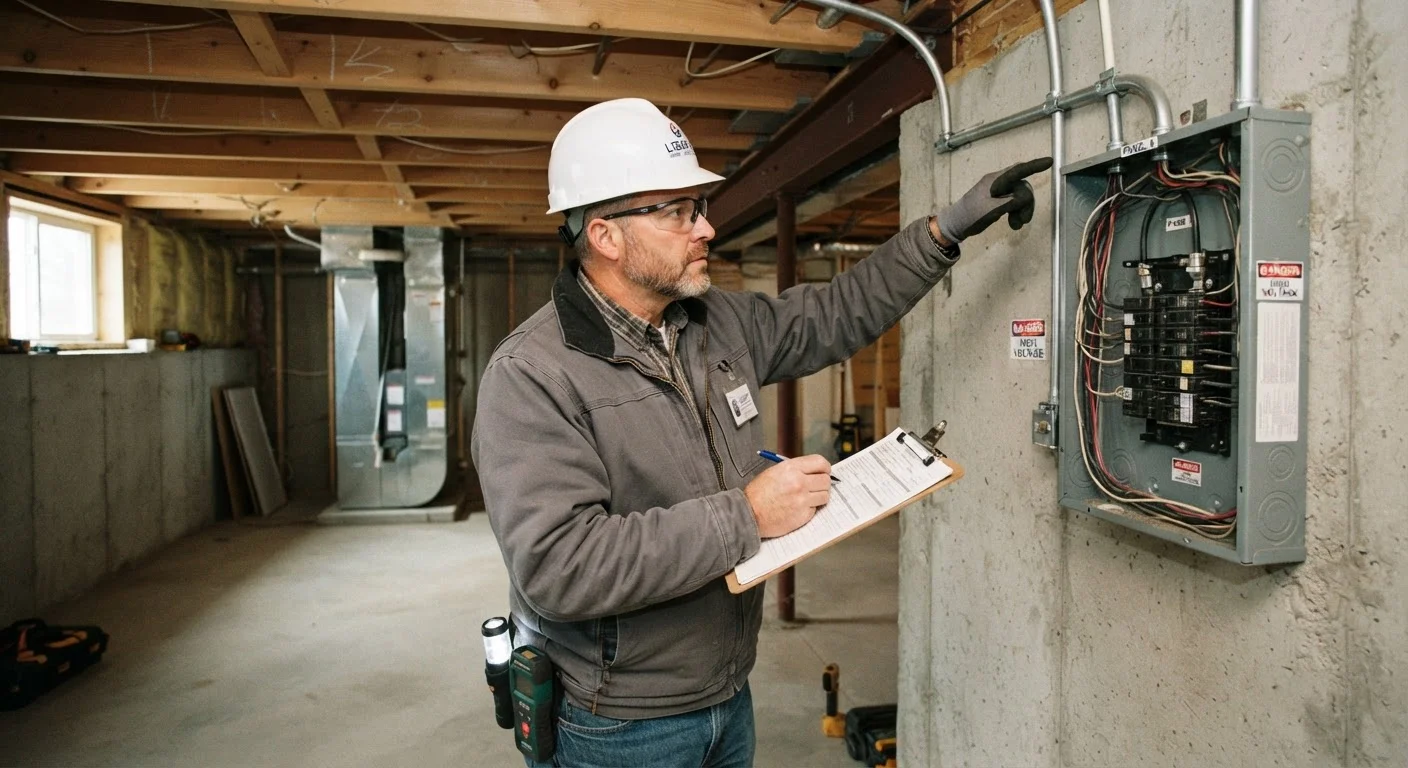
Photo: AscendWit.com | Explore Engaging Blogs. editorial
Key Takeaways
- A home inspection covers structural components, roofing, electrical, plumbing, HVAC, and more.
- Inspections reveal the current condition of a home - they do not predict future failures.
- Common surprises include moisture intrusion, outdated wiring, and aging HVAC equipment.
- Specialty inspections (radon, mold, sewer) are separate and often worth adding.
- Buyers typically attend the inspection and should read the full report carefully.
- Inspection findings can support price renegotiation or repair requests before closing.
What Inspectors Actually Examine
A standard home inspection covers the visible and accessible components of a property. Inspectors work from the outside in, starting with the roof and exterior before moving through the home's interior systems.
- Roof and attic: Shingle condition, flashing, ventilation, insulation, and any signs of leaking or moisture damage.
- Structural components: Foundation, framing, floors, walls, ceilings, and visible load-bearing elements.
- Electrical system: Main panel, wiring type, grounding, outlets, and visible connections.
- Plumbing: Supply and drain lines, water heater age and condition, fixtures, and signs of leaks.
- HVAC: Heating and cooling equipment, ductwork, filters, and approximate remaining service life.
- Windows and doors: Operation, sealing, and any broken seals in double-pane glass.
- Basement and crawl space: Moisture, drainage, structural concerns, and insulation gaps.
For a closer look at what hides in those hard-to-reach areas, see attic and crawl space checks most homeowners skip.
~86%
Home inspections that find at least one defect
According to data compiled by the American Society of Home Inspectors (ASHI), the vast majority of inspections produce at least one noteworthy finding.
2-4 hrs
Typical duration of a standard home inspection
Inspection time varies based on home size, age, and accessibility of systems; inspectors generally spend more time on older or larger properties.
Top 3
Most common findings: roofing, electrical, plumbing
Industry data consistently shows that roofing deficiencies, electrical concerns, and plumbing issues are among the most frequently documented findings in inspection reports.
The Surprises Inspectors Commonly Uncover
Even well-maintained homes produce findings that catch buyers off guard. These aren't always dealbreakers, but they can be costly if overlooked.
Moisture and Water Intrusion
Water is the most destructive force in a home. Inspectors regularly find evidence of past or active leaks - staining around roof penetrations, efflorescence on basement walls, or soft subflooring near bathrooms. These findings often warrant follow-up by a specialist.
Outdated or Undersized Electrical
Older homes may have wiring types - such as knob-and-tube or aluminum branch wiring - that don't meet current safety expectations. Inspectors also frequently flag overloaded panels, double-tapped breakers, and missing GFCI protection in kitchens and bathrooms.
Aging Mechanical Systems
A furnace or air conditioner that's still running may be nearing the end of its useful life. Inspectors note approximate age and visible condition so buyers can budget accordingly.
Grading and Drainage Issues
Soil that slopes toward the foundation rather than away from it channels water into the basement or crawl space. This is one of the most common - and most fixable - findings in a standard report.
Ask the Inspector to Walk You Through Findings
First-time buyers sometimes focus so heavily on aesthetics during a showing that they miss the practical details that matter most. Things first-time buyers overlook when touring a home outlines what to pay attention to before you make an offer.
What a Standard Inspection Does Not Include
Understanding the limits of a standard inspection is just as important as knowing what it covers. Inspectors conduct a visual assessment only - they do not open walls, test air quality, or perform invasive testing.
Visual-Only: A Key Limitation to Understand
Items typically not included in a standard inspection:
- Radon gas levels (requires a separate test kit or monitor)
- Mold testing or air quality sampling
- Sewer scope or septic system evaluation
- Pest or termite inspection
- Lead paint or asbestos screening
- Chimney interior condition beyond a visual check
For homes with older construction or a history of moisture issues, buyers often add one or more of these specialty inspections. The cost is generally modest compared to the repairs they might prevent.
Inspections share something in common with other due-diligence tools: they reveal a great deal but have defined limits. How vehicle history reports work and what they can and cannot tell you illustrates that same principle in a different context.
How to Use the Report After the Inspection
Receiving the inspection report is not the end of the process - it is the start of an important conversation. Reports can run 40 to 80 pages and use technical language; knowing how to read them helps buyers make better decisions.
Prioritize by Severity
Most reports categorize findings by urgency: safety hazards, major defects, and maintenance items. Focus first on safety and structural concerns, then move to costly mechanical issues. Cosmetic items rarely warrant renegotiation.
Get Repair Estimates for Significant Items
Before requesting credits or price reductions, get a rough estimate from a licensed contractor. This grounds negotiations in real numbers and avoids asking for more - or less - than the actual cost.
Don't Expect a Perfect Report
No home is defect-free. A long report on an older home is normal, not necessarily alarming. The goal is to understand what you're buying, not to find a flawless property.
Frequently Asked Questions
The content on this site is for informational purposes only and is not a substitute for professional advice. Always consult a qualified professional for guidance specific to your situation.