
The Home Décor Style Glossary: Midcentury, Japandi, Coastal, and More

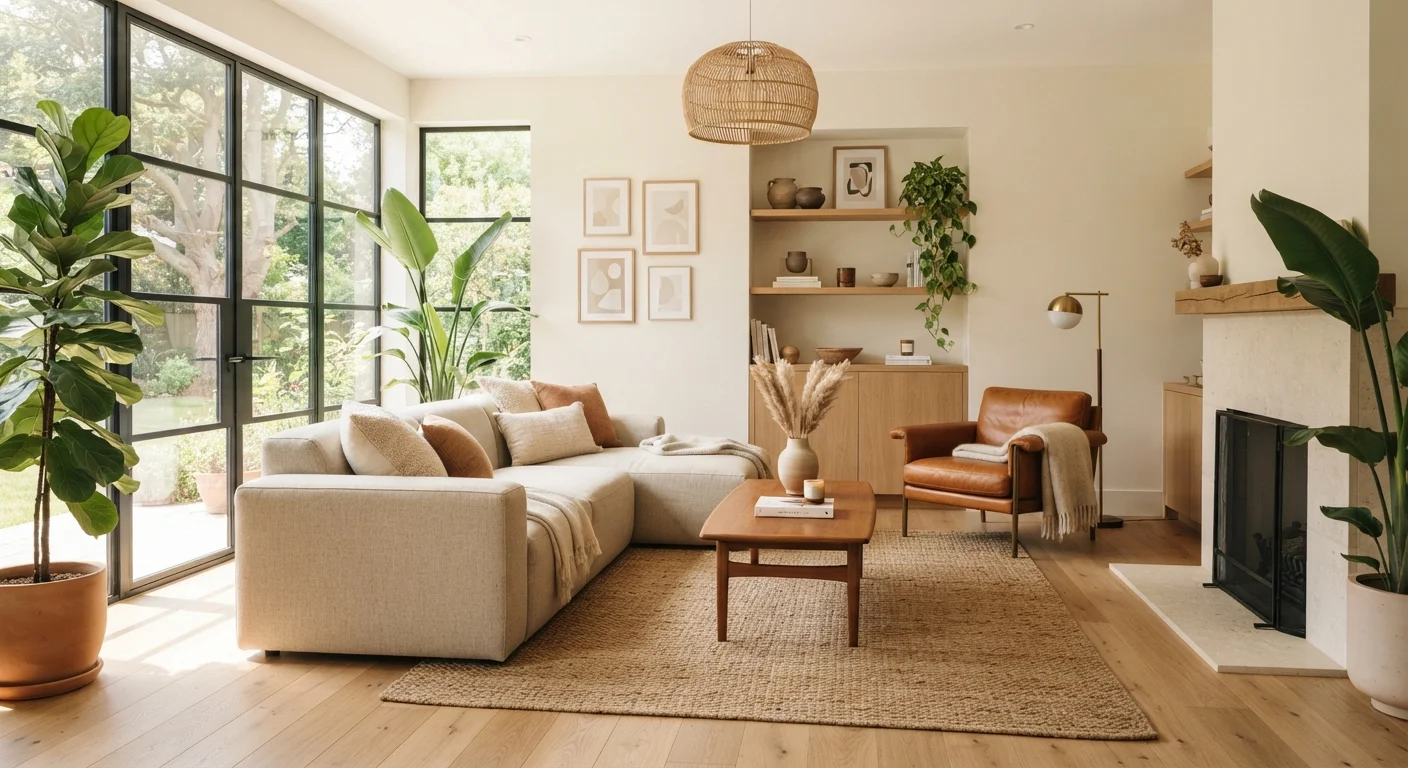
Photo: AscendWit.com | Explore Engaging Blogs. editorial
Why Design Style Names Matter
Interior design has a language of its own. When you see a room you love on a home tour or in a magazine, being able to name the style helps you search smarter, shop more intentionally, and communicate clearly with anyone helping you decorate - whether that's a designer, a contractor, or a helpful friend.
This glossary covers the most commonly referenced interior design styles in the US today. Each entry explains what defines the style, what it looks and feels like, and the core elements that characterize it. You don't have to commit to just one - many well-decorated homes borrow deliberately from several. For a deeper look at the underlying principles that make any style work, see The Design Principles Behind Every Well-Styled Room.
| Most searched US design style | Modern Farmhouse (Google Trends data, recurring pattern over multiple years) |
| Japandi origins | Japan + Scandinavia (hybrid term) |
| Midcentury Modern era | Approximately 1940s-1960s |
| Styles that mix well together | Japandi + Minimalist, Coastal + Bohemian, Transitional + nearly any |
| Style vs. aesthetic | Style = defined set of principles; aesthetic = personal visual preference, can blend styles |
Style-by-Style Definitions
Use these descriptions as a reference when you're trying to identify what resonates with you - or what a listing, product description, or designer is referring to.
Midcentury Modern
A style rooted in American and Scandinavian design from roughly the 1940s through the 1960s. Key features include tapered legs, organic forms, flat planes, and a mix of natural and manufactured materials. The palette tends toward warm neutrals, olive, mustard, and burnt orange.
Japandi
A hybrid of Japanese minimalism and Scandinavian (Nordic) design. It emphasizes simplicity, natural materials, craftsmanship, and a muted, earthy palette - creamy whites, warm grays, clay, and charcoal. Clutter is minimal; every object earns its place.
Coastal
Inspired by beachside living, this style uses light, airy colors (white, soft blue, sand), natural textures like rattan, jute, and linen, and relaxed, comfortable furniture. It aims for a casual, breezy feeling rather than a nautical theme.
Bohemian (Boho)
A layered, eclectic style that draws on global textiles, patterns, and handmade objects. Warm tones, mixed patterns, macramé, plants, and vintage pieces coexist without strict rules. The goal is a lived-in, expressive, personalized space.
Industrial
Draws on the aesthetic of warehouses and factories: exposed brick, concrete, metal, and unfinished wood. The palette leans dark and neutral - black, charcoal, raw wood tones. Furniture tends to be simple and functional with visible structure.
Farmhouse / Modern Farmhouse
Traditional farmhouse style uses rustic, well-worn elements - shiplap, distressed wood, vintage finds, and simple textiles. Modern farmhouse softens this with cleaner lines and a lighter palette, blending old and new in a relaxed, approachable way.
Transitional
A deliberately blended style that combines traditional and contemporary elements. It avoids extremes - not as ornate as traditional, not as spare as modern - and favors comfort, neutral palettes, and timeless furniture shapes. It's the most commonly described style in the US real estate market.
Contemporary
Refers to what's current rather than a fixed historical period. Contemporary spaces tend to feature clean lines, neutral color schemes, minimal ornamentation, and current materials and silhouettes. It evolves over time and should not be confused with 'modern,' which refers to a specific era.
Maximalism
The intentional embrace of more - more color, more pattern, more objects, more personality. Maximalist rooms are layered and expressive, but successful examples have an underlying organizational logic: consistent color families, repeated motifs, or a clear point of view that prevents chaos.
Biophilic Design
An approach that brings natural elements into interior spaces to support connection with the natural world. This includes living plants, natural light, organic materials (wood, stone, clay), water features, and nature-inspired forms and patterns. Often incorporated into other styles rather than standing alone.
Once you've identified one or two styles that appeal to you, the next step is understanding how to build around them. Decorating a Room From Scratch walks through where to begin when a space is empty or needs a full reset.
Color plays a major role in distinguishing these styles from one another - and in making any single style feel right in your specific space. Color Theory for Renters and Homeowners explains warm and cool tones, undertones, and how to build a palette that holds together.
Mixing Styles Without Losing Cohesion
Most real homes don't fit neatly into one box. You might love the clean lines of midcentury furniture but prefer the warmth of Japandi color tones, or appreciate Coastal's lightness while living far from any beach. That's not a contradiction - it's how personal style develops.
The key is finding common threads: a consistent color family, a shared material (like natural wood or linen), or a unified level of formality. When those threads run through the space, the result feels intentional rather than accidental. What 'Cohesive' Actually Means in Home Décor breaks down the techniques designers use to achieve this. If you're blending furniture from different eras or origins, Mixing Old and New Furniture offers practical guidance on making the combination work.
Style Names Are Descriptive, Not Prescriptive
Gallery walls are a useful case study in style: the art you choose and how you frame it will immediately signal a design direction. Styling a Gallery Wall Without Guesswork is a good next step once you've started to clarify your style vocabulary.
The content on this site is for informational purposes only and is not a substitute for professional advice. Always consult a qualified professional for guidance specific to your situation.