
Building a Skincare Routine from Scratch

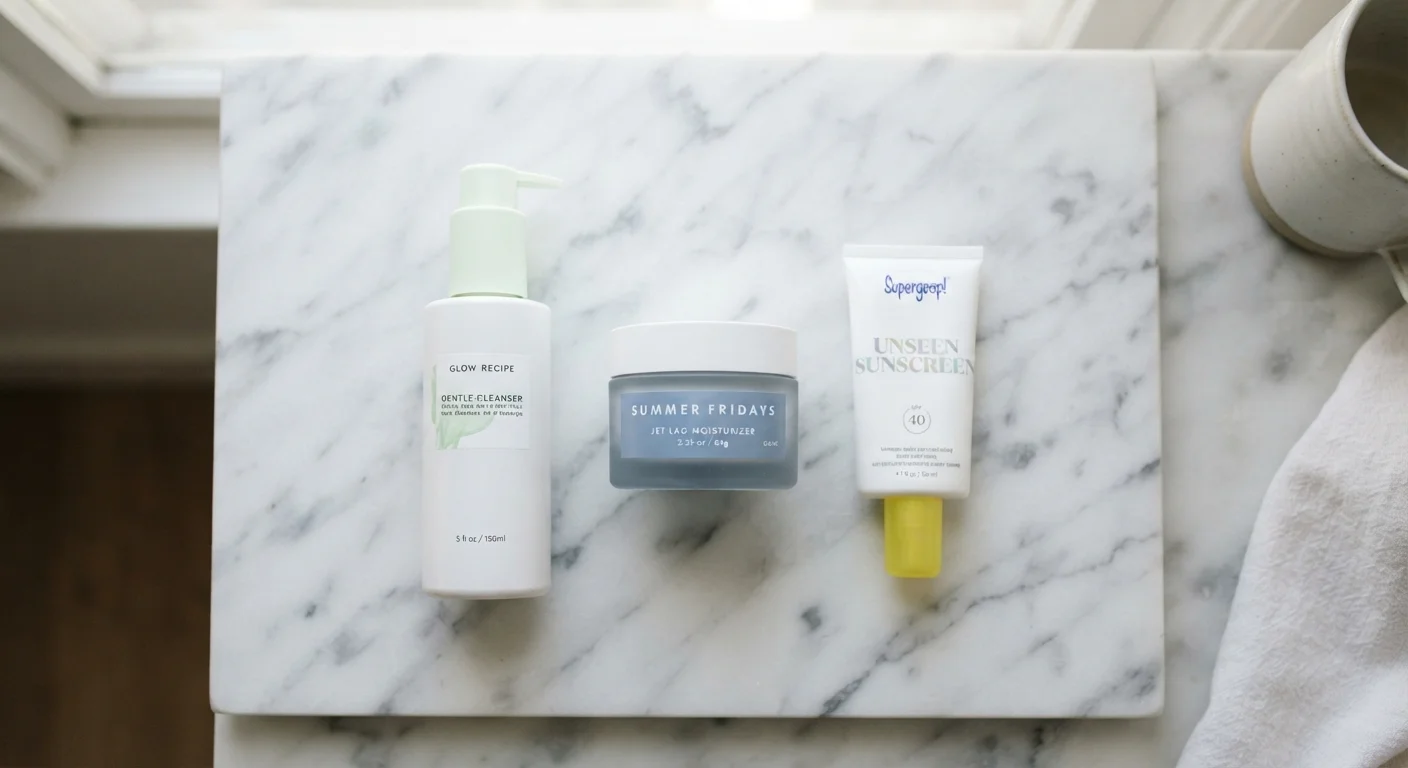
Photo: AscendWit.com | Explore Engaging Blogs. editorial
Key Takeaways
- A three-step routine - cleanse, moisturize, protect - is a complete and effective foundation for most people.
- Adding too many products at once makes it impossible to identify what's helping or hurting your skin.
- Consistency over several weeks matters more than the specific products you choose.
- Sunscreen is the single most evidence-backed daily skincare habit you can build.
- Skin reactions don't all mean the same thing - learning to read them helps you adjust wisely.
Why a Simple Routine Beats a Complex One
Scroll through any beauty feed and it can seem like a complete skincare routine requires a shelf full of products and a laminated step chart. That's not accurate - and it can actively work against you when you're starting out.
The core principle here is straightforward: the fewer variables you introduce at once, the easier it is to understand how your skin responds. If you launch with six new products simultaneously, you have no way of knowing which one is helping, which is neutral, and which might be causing that dry patch or new breakout.
Starting simple is also more sustainable. Routines that take under five minutes are far easier to repeat daily, and consistency is what produces results - not complexity. Our companion guide on what a skincare routine actually needs reinforces this approach with input from dermatologists.
Start With What You'll Actually Use
The Core Three Steps Every Routine Needs
Most dermatologists agree on a three-step foundation: cleanse, moisturize, and protect. Everything else is optional or supplementary.
Skin barrier
The outermost layer of skin that acts as a protective shield, keeping moisture in and environmental irritants out. Disrupting it can lead to dryness, sensitivity, or breakouts.
Non-comedogenic
A term used on product labels to indicate the formula is designed not to clog pores. It's a useful starting-point indicator, though individual responses still vary.
Cell turnover
The natural process by which the skin sheds old cells and produces new ones. It typically takes around four to six weeks, which is why skincare results take time to appear.
Occlusive
An ingredient or product that forms a physical barrier on the skin's surface to lock in moisture. Heavy creams and balms tend to be highly occlusive.
SPF
Sun Protection Factor - a measure of how much UV radiation a sunscreen filters. It is applied as the final morning skincare step to protect against UV-related skin damage.
Cleansing
A gentle cleanser removes dirt, excess oil, and environmental residue without stripping the skin's natural moisture barrier. Look for terms like "gentle," "non-stripping," or "for sensitive skin" as general guides - these tend to indicate lower irritation potential. If your skin feels tight or dry immediately after washing, the cleanser may be too harsh.
Moisturizing
Moisturizer helps maintain the skin barrier - the outer layer that keeps hydration in and irritants out. Even oily skin benefits from a lightweight moisturizer. This step is also when to pay attention to how your skin responds: flakiness suggests more moisture is needed; congestion or new breakouts might indicate a formula that's too occlusive for your skin type.
Sun Protection
Daily sunscreen is the most consistently evidence-backed skincare habit. It helps prevent premature aging and reduces UV-related skin damage - and it applies regardless of complexion. For a deeper look at the science, see our article on why dermatologists recommend daily SPF. Apply it every morning as the final step.
How to Know If a Product Is Actually Working
Evaluating new skincare products takes time and attention. As a general guide, give any new product at least four weeks before forming a judgment, since meaningful changes in skin texture and tone typically align with the skin's natural cell-turnover cycle.
Signs a product is working well: your skin feels comfortable, hydrated, and calm over consistent use. You're not seeing new irritation or breakouts that weren't present before.
Signs to reconsider: persistent redness, stinging, new breakouts, or increased dryness that doesn't resolve within a week or two. Not every reaction is an emergency, but ongoing discomfort is worth listening to. The distinction between a temporary adjustment response and genuine irritation matters - our article on the signals your skin sends when a product isn't working breaks this down clearly.
This article is for informational purposes only and is not a substitute for professional dermatological advice. If you experience persistent skin reactions, consult a qualified healthcare provider.
What to Add Once You've Got the Basics Down
Once your three-step routine feels stable and comfortable - meaning your skin is balanced and the steps are genuinely habitual - you can consider adding a targeted product. The key word is one at a time.
Common additions at this stage include:
- Exfoliation (once or twice a week): Helps remove dead skin cells and can improve texture over time. Both physical and chemical options exist - choosing between physical and chemical exfoliation depends on your skin's sensitivity and goals.
- Targeted serums: Lightweight, concentrated formulas designed for specific concerns like uneven tone or hydration. Introduce one at a time and give it several weeks to assess.
- Toner: Optional and highly variable in purpose. If you're curious about whether you need it, our piece on what each routine step actually does offers helpful context.
Also bear in mind that your skin's needs shift with the climate. What works in summer may need adjustment in winter - see our guide on adjusting your routine by season when you're ready to go further.
Common Beginner Mistakes and How to Avoid Them
Even with good intentions, a few patterns tend to trip up beginners consistently.
Don't Chase Every Trend or New Launch
Introducing too many products at once
This is the most common mistake. Patience is the fix: add one new product, wait at least two to three weeks, then add another.
Applying products in the wrong order
Order affects absorption. As a general rule, apply from thinnest to thickest consistency - lighter serums before moisturizer, and sunscreen last in the morning. Our article on why layering order matters explains the mechanics.
Ignoring fragrance as a potential irritant
Fragranced products smell pleasant but can be a common sensitivity trigger, especially for those new to building a routine. Our piece on fragrance in skincare outlines the tradeoffs worth knowing before you buy.
Expecting overnight results
Skincare works gradually. Expecting dramatic change within days often leads to abandoning routines prematurely or over-applying products. Consistency across weeks - not intensity within days - is what moves the needle. Much like building any habit from zero, the early investment pays off later. If you're simultaneously working on other wellness habits, our guide on building daily routines that actually stick explores that theme from a different angle.
Frequently Asked Questions
The content on this site is for informational purposes only and is not a substitute for professional advice. Always consult a qualified professional for guidance specific to your situation.