
Skin and the Seasons: Adjusting Your Routine as the Climate Changes

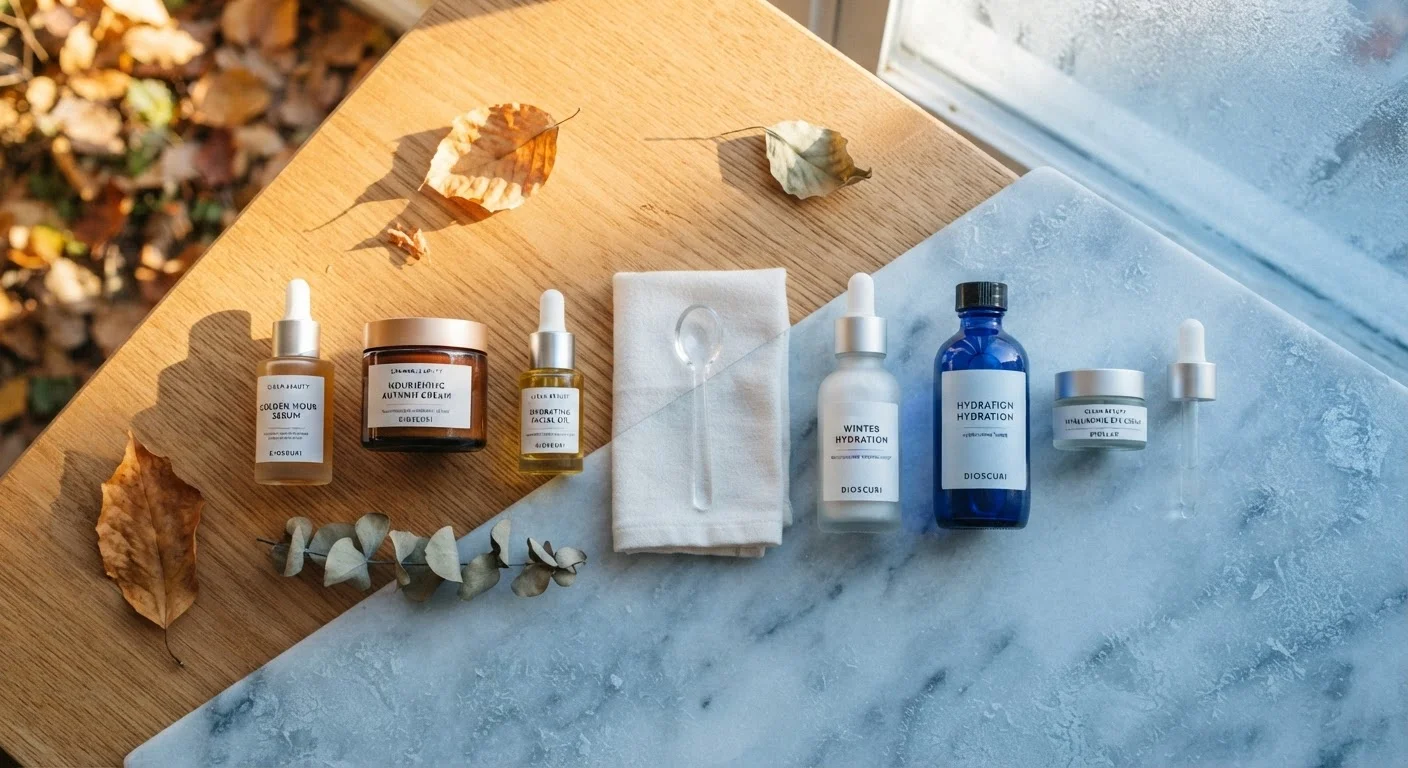
Photo: AscendWit.com | Explore Engaging Blogs. editorial
Key Takeaways
- Seasonal humidity and temperature changes directly affect how your skin barrier retains moisture.
- Swapping one or two key products - rather than overhauling everything - is often enough to adapt.
- SPF remains essential year-round, regardless of cloud cover or cooler temperatures.
- Oily skin types still need hydration in winter; skipping moisturizer can worsen oil production.
- Transition periods (spring and fall) call for gradual adjustments rather than sudden routine swaps.
Why the Seasons Actually Change Your Skin
Your skin doesn't operate in isolation - it responds continuously to its environment. The skin barrier, a protective outer layer made up of cells and lipids, regulates water loss and keeps irritants out. When external conditions shift, that barrier has to work harder or differently to maintain balance.
In summer, high humidity means the air holds more moisture, which can support the skin barrier but also increase sweat, sebum production, and the risk of clogged pores. In winter, cold air holds far less moisture, and indoor heating strips it further - leaving the skin barrier more prone to dryness, tightness, and sensitivity. Spring and fall sit in between: transitional weather that can cause skin to behave unpredictably, sometimes oily one week and flaky the next.
Understanding this helps explain why a routine that feels perfect in July can feel completely wrong by November - and why adapting doesn't have to mean starting over. If you're building from the basics, those foundational steps remain consistent; it's the product formulations and usage frequency that shift with the seasons.
What You'll Need
Before adjusting your routine, it helps to have a few flexible options on hand. You don't need an entirely separate product lineup for each season - but having alternatives within key categories gives you room to adapt without scrambling.
Lightweight gel or gel-cream moisturizer
Provides hydration in warm, humid months without feeling heavy or clogging pores.
Rich cream or barrier-repair moisturizer
Delivers deeper moisture and supports the skin barrier during cold, dry conditions.
Hydrating serum with humectants (e.g., hyaluronic acid or glycerin)
Draws moisture into the skin and can be layered under any moisturizer year-round.
Broad-spectrum SPF 30 or higher sunscreen
Protects skin from UV damage in all seasons, including overcast and winter days.
Gentle, non-stripping cleanser
Cleansing without over-drying is especially important in winter when the barrier is more vulnerable.
Humidifier
Adds ambient moisture indoors during heating season to help counteract the drying effect of forced-air heat.
How to Adjust Your Routine Season by Season
Follow these steps as the weather shifts. You don't need to make all changes at once - small, deliberate adjustments are easier on your skin and help you identify what's actually working.
Assess how your skin feels right now
Before swapping products, take a few days to observe your skin without bias. Note whether it feels tight, oily, flaky, or balanced - and at what time of day. Skin that's oily by midday but tight in the morning may need hydration rather than oil control. Tracking this briefly helps you make targeted changes rather than guessing.
Adjust your moisturizer weight for the season
This is the most impactful single swap. In summer, move toward a lighter gel or fluid formula that won't feel occlusive in humid heat. In fall and winter, shift toward a creamier texture that creates a more protective layer over the skin. If your current moisturizer is working but slightly too light, adding a few drops of a facial oil on top at night is a simple way to boost barrier support without buying an entirely new product.
Dial your cleanser back in dry months
Foaming or gel cleansers that feel refreshing in summer can strip too much natural oil in winter, leaving the barrier compromised. Consider switching to a creamy or lotion-style cleanser for cold months, or reduce cleansing to once daily (at night) rather than twice. Micellar water can handle morning removal of overnight products without adding dryness.
Keep SPF consistent regardless of season
UV radiation reaches skin year-round, including on cloudy days and through windows. Sun protection should remain a non-negotiable part of your morning routine in every season. In winter, some people find that a moisturizer with built-in SPF makes compliance easier, since applying fewer separate steps feels more manageable in a cold-weather routine.
Pull back on exfoliation during transition periods
As the weather cools, skin often becomes more reactive and sensitive. If you exfoliate regularly with chemical exfoliants (like AHAs or BHAs) or physical scrubs, reduce frequency during fall and winter rather than maintaining a summer schedule. Once a week is a reasonable starting point for sensitive or dry-prone skin in cold months. You can always increase again as your skin tolerates it.
Address indoor heating and air conditioning
HVAC systems - both heating in winter and air conditioning in summer - reduce indoor humidity, which affects your skin whether you're outdoors or not. A humidifier in your bedroom during heating season can meaningfully support your skin barrier overnight. Drinking adequate water also helps maintain overall hydration, though it won't substitute for topical moisture when the barrier is compromised.
Transition Gradually, Not All at Once
Common Pitfalls and How to Avoid Them
Even with good intentions, seasonal transitions can trip people up. Here are a few patterns to watch for:
- Skipping SPF in winter: UV rays penetrate clouds and reflect off snow. Daily sun protection remains relevant in every season. The evidence behind daily SPF holds regardless of temperature.
- Over-exfoliating during dry months: Exfoliation is useful, but stripping already-compromised winter skin worsens sensitivity. Pull back on frequency rather than increasing it when skin feels tight.
- Assuming oily skin doesn't need moisturizer: Dehydrated oily skin often overproduces sebum to compensate. A lightweight, non-comedogenic moisturizer helps stabilize it.
- Ignoring your neck and hands: These areas lose moisture quickly in cold weather and are often overlooked.
Persistent Irritation Warrants Professional Input
Keep in mind that skin tone and underlying conditions can influence how your skin responds to seasonal shifts. For a fuller picture of what general advice sometimes overlooks, this guide on inclusive skincare is worth reading alongside seasonal adjustments. And if you're optimizing when you apply certain actives, understanding AM vs. PM routine timing helps you layer your routine more effectively year-round.
This article is for general informational purposes only and is not a substitute for advice from a qualified dermatologist or healthcare professional. If you experience persistent skin concerns, consult a licensed provider.
The content on this site is for informational purposes only and is not a substitute for professional advice. Always consult a qualified professional for guidance specific to your situation.