
Physical vs. Chemical Exfoliation: Choosing What Works for Your Skin

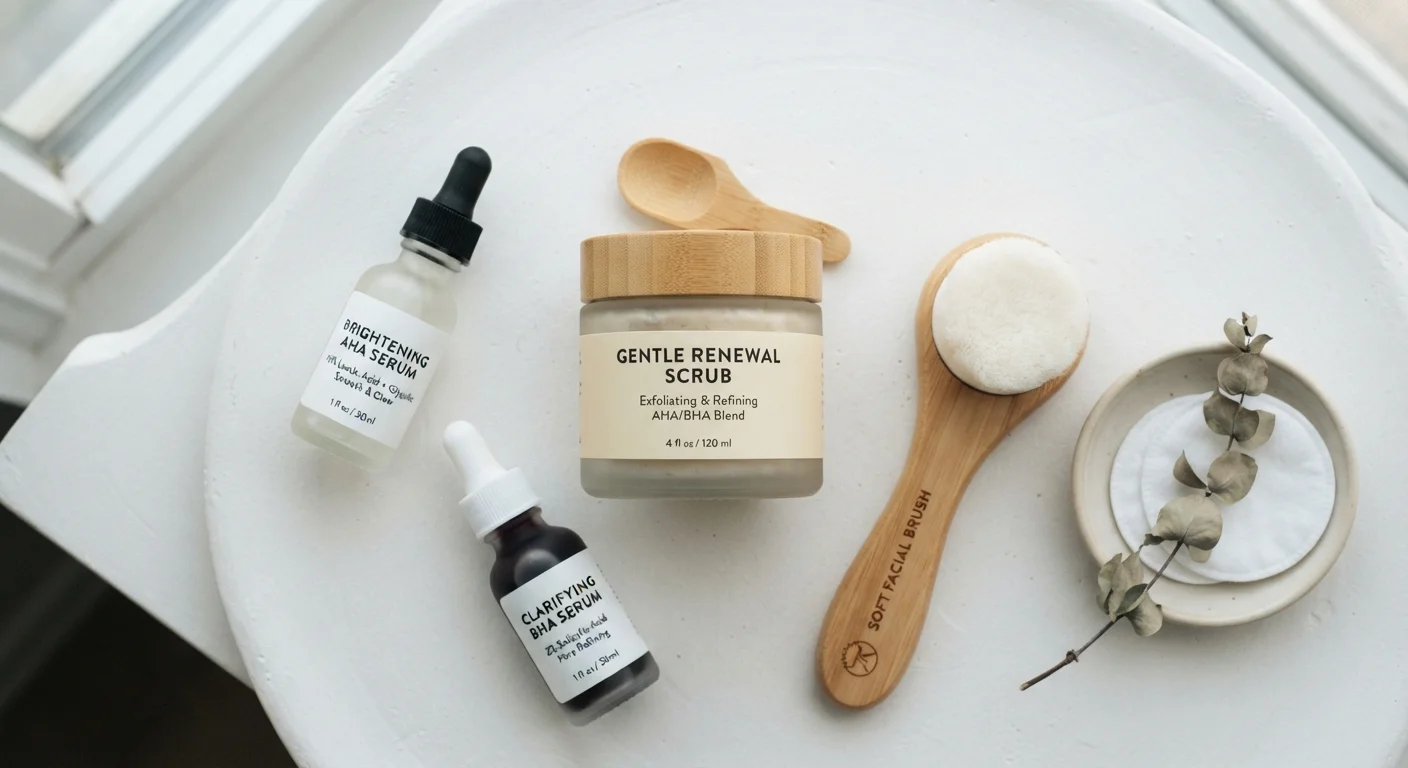
Photo: AscendWit.com | Explore Engaging Blogs. editorial
Key Takeaways
- Physical exfoliation uses manual friction; chemical exfoliation uses acids or enzymes to dissolve dead skin cells.
- Neither method is universally superior - the right choice depends on your skin type and concerns.
- Over-exfoliating with either method can damage your skin barrier, so frequency matters.
- Chemical exfoliants tend to offer more even results for textured or uneven-tone skin.
- Always patch-test new exfoliants and wear SPF afterward, especially with chemical types.
What Each Method Actually Does
Exfoliation, in any form, is the process of removing dead skin cells from the surface of your skin. That turnover is natural - your skin sheds cells constantly - but sometimes it needs a little help. The two main approaches just go about it very differently.
Physical exfoliation relies on friction. You're manually buffing away dead cells using a textured tool or a product containing particles - think sugar scrubs, rice powder cleansers, konjac sponges, or a simple soft washcloth. The results are immediate: skin feels smoother right after use. The trade-off is that uneven pressure or overly abrasive textures can cause micro-tears in the skin, especially on thinner or inflamed areas.
Chemical exfoliation uses active ingredients - typically acids or enzymes - to dissolve the bonds between dead skin cells and the healthy surface beneath. Rather than scrubbing anything away, these ingredients do the work invisibly after you apply them. Common types include:
- AHAs (alpha hydroxy acids like glycolic and lactic acid) - work on the skin's surface and are well-suited for dryness, dullness, and uneven tone.
- BHAs (beta hydroxy acids, primarily salicylic acid) - oil-soluble, making them effective for oily skin and clogged pores.
- Enzymes (often from papaya or pineapple) - typically gentler, breaking down dead cells without significant pH-driven activity.
If you're new to building a skincare routine, our guide to building a routine from scratch explains where exfoliation fits within a broader regimen.
| Criterion | Physical Exfoliation | Chemical Exfoliation |
|---|---|---|
| How it works | Manual friction removes dead cells | Acids/enzymes dissolve cell bonds |
| Common formats | Scrubs, cloths, brushes, sponges | Toners, serums, peels, cleansers |
| Results timing | Immediate after each use | Gradual over days to weeks |
| Depth of action | Surface only | Surface to upper dermis (depending on type) |
| Best for | Quick smoothing, low-commitment use | Tone, texture, pores, pigmentation |
| Sensitive skin risk | Higher - abrasion can irritate | Varies - enzymes gentler than strong AHAs |
| Sun sensitivity increase | Minimal | Yes - especially with AHAs; SPF required |
| Learning curve | Low | Moderate - concentration and pH matter |
How to Choose Based on Your Skin Type
Neither approach is categorically better - what matters is how your skin responds. Here's a practical breakdown:
Dry or flaky skin: Lactic acid (an AHA) is worth exploring. It exfoliates gently while also being a humectant, meaning it attracts moisture. Coarse physical scrubs can strip already-dry skin further.
Oily or acne-prone skin: Salicylic acid (BHA) is a widely used option for this skin type. It's oil-soluble, so it can clear pore-clogging debris that sits beneath the surface, where a scrub can't reach.
Sensitive or rosacea-prone skin: Proceed with extra care. Enzyme exfoliants or low-percentage lactic acid may be tolerated better than AHAs with higher concentrations or gritty physical scrubs. Always consult a dermatologist if you have a diagnosed skin condition before introducing exfoliants.
Combination skin: Some people use both methods in different zones or rotate between them. Start with one and give your skin several weeks to adjust before layering in another.
Regardless of which you choose, over-exfoliating is a real concern. Signs that you've gone too far include persistent redness, tightness, stinging with normally gentle products, and breakouts that weren't there before. Our article on reading your skin's signals can help you tell the difference between adjustment and irritation.
A Note on Active Ingredient Interactions
Working Exfoliation Into Your Routine Safely
Exfoliation sits after cleansing in most routines - you want a clean surface before working on cell turnover. Most dermatologists suggest starting with exfoliation once or twice a week and only increasing frequency if your skin tolerates it well over several weeks.
A few practical rules worth following:
- Don't layer multiple exfoliants on the same day or in the same application. Using a scrub in the morning and an AHA toner at night is a common way to unknowingly over-exfoliate.
- Use SPF the next morning - especially after chemical exfoliants, which can temporarily increase sun sensitivity.
- Patch-test first. Apply a small amount to your inner arm or jawline and wait 24 hours before applying to your full face.
If you plan to add other active ingredients alongside exfoliants - such as retinoids or vitamin C - check out our checklist for introducing new actives safely before combining them. And if you want a clearer picture of how exfoliation fits within the cleanse-tone-moisturize framework, our breakdown of each routine step is a useful reference.
This article is for general informational purposes only and is not a substitute for advice from a qualified dermatologist or healthcare professional. If you have a skin condition or concerns about a reaction, please consult a licensed professional before making changes to your skincare routine.
The content on this site is for informational purposes only and is not a substitute for professional advice. Always consult a qualified professional for guidance specific to your situation.