
Cleanser, Toner, Moisturizer: What Each Step Is Really Doing for Your Skin

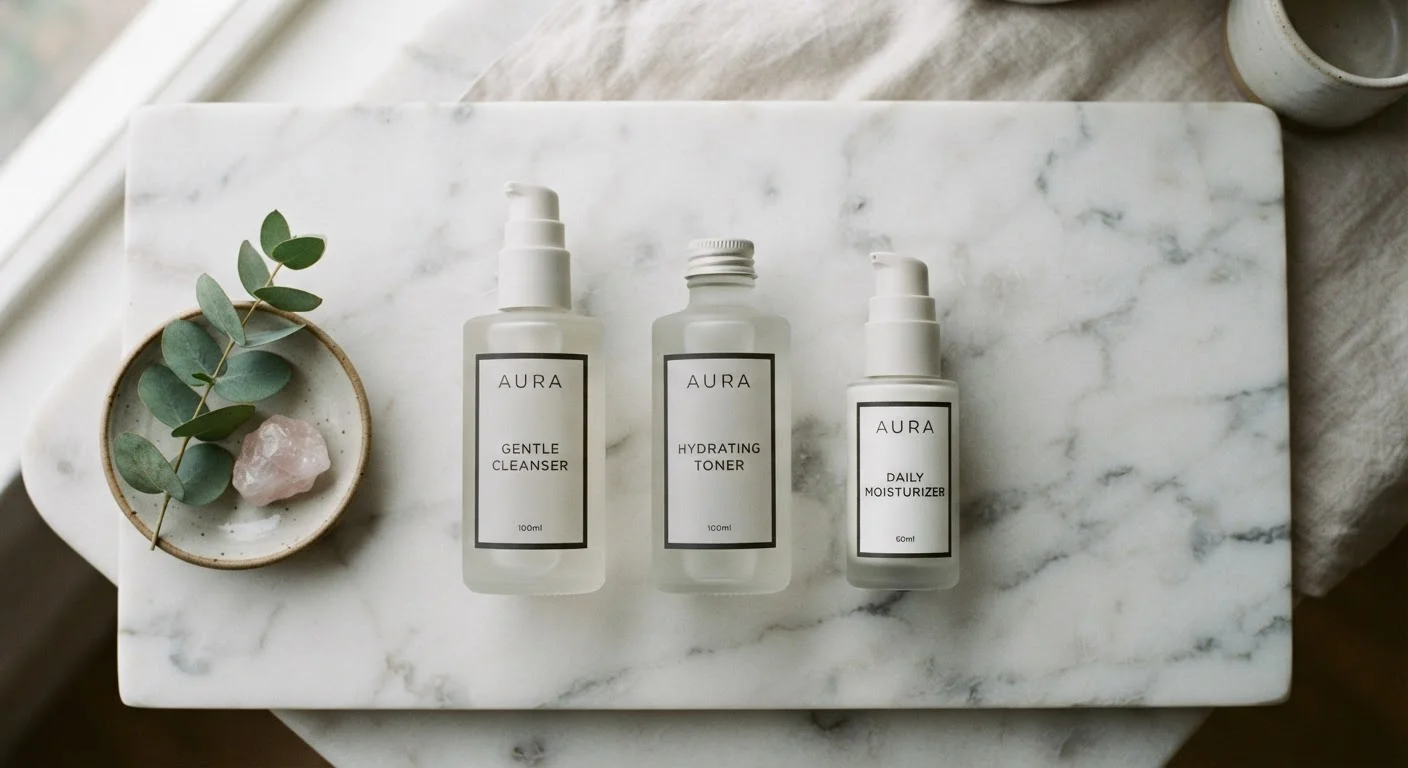
Photo: AscendWit.com | Explore Engaging Blogs. editorial
The Three-Step Logic: Why This Order Exists
The cleanser-toner-moisturizer sequence isn't arbitrary marketing. Each step performs a distinct job, and the order reflects how skin absorbs-and benefits from-each product. Applying them out of sequence can reduce effectiveness or even cause irritation. (For a closer look at why order matters, see how layering products in the wrong order affects results.)
Think of it as prep, refine, protect. The cleanser clears the surface so subsequent products can do their jobs. The toner addresses specific concerns and restores balance. The moisturizer seals everything in and reinforces the skin's natural barrier. Understanding what each step is doing makes it much easier to decide what you actually need-and what you can skip.
Step 1 - Cleanser: Clearing the Path
A cleanser's primary role is removal: excess oil, sweat, environmental pollutants, makeup residue, and the dead skin cells that accumulate throughout the day or overnight. Without this step, products applied afterward are working against a barrier of debris rather than directly on skin.
What a cleanser is not supposed to do is strip skin of every trace of oil. Over-cleansing-using a formula that's too harsh or washing more than twice a day-can compromise the skin's lipid barrier, leading to tightness, redness, or paradoxically increased oiliness as skin overproduces sebum to compensate.
A gentle, pH-balanced formula is usually appropriate for daily use on most skin types. Foaming cleansers tend to suit oilier skin; cream or oil cleansers often work better for dry or sensitive skin. If your face feels tight or squeaky immediately after rinsing, the formula may be too harsh for regular use.
Step 2 - Toner: The Most Misunderstood Step
Toners have evolved considerably. Older formulas were often alcohol-heavy astringents designed to remove leftover residue-a relic of cleansers that weren't gentle enough to begin with. Modern toners serve a wider range of purposes: rebalancing skin's pH after cleansing, delivering a first layer of hydration, or delivering targeted actives like niacinamide or gentle exfoliating acids.
Because toner is applied to bare, freshly cleansed skin, it absorbs quickly-making it a useful delivery vehicle for water-binding ingredients. This is also why many people find toner helpful before serums; it creates a slightly damp surface that can help subsequent layers absorb more evenly.
Toner is also the step most people can legitimately skip if their skin is sensitive or if their cleanser already leaves skin balanced. It is not an essential step for everyone. What a skincare routine actually needs breaks down which steps are truly non-negotiable versus optional.
Humectant
An ingredient that draws water from the environment or deeper skin layers toward the surface. Common examples include glycerin, hyaluronic acid, and aloe vera.
Occlusive
An ingredient that forms a physical barrier on the skin's surface to prevent water from evaporating. Examples include petrolatum, shea butter, and dimethicone.
Skin barrier
The outermost layer of the epidermis (the stratum corneum) that protects against environmental damage and regulates moisture retention. A compromised barrier can cause dryness, sensitivity, and irritation.
Transepidermal water loss (TEWL)
The natural process by which water passively evaporates through the skin's surface. A healthy barrier limits TEWL; moisturizers help further reduce it.
pH balance
Healthy skin sits at a mildly acidic pH (roughly 4.5-5.5). Cleansers that are too alkaline can temporarily disrupt this balance; toners can help restore it.
Emollient
An ingredient that smooths the skin surface by filling gaps between skin cells. Emollients improve texture and flexibility without necessarily adding moisture.
Step 3 - Moisturizer: Locking It All In
Moisturizer serves two related but distinct functions: adding water-binding ingredients to the skin and creating an occlusive seal that slows water loss. Most moisturizers combine both humectants (ingredients that attract water, like glycerin or hyaluronic acid) and emollients or occlusives (ingredients that smooth texture and reduce moisture evaporation, like ceramides or shea butter).
This step matters most because transepidermal water loss-the process by which water naturally evaporates from skin-is ongoing. A moisturizer applied after toner traps that hydration in place and supports the skin barrier. For a deeper look at the difference between hydration and moisture and why both matter, see hydration vs. moisture explained.
Moisturizer weight matters: lighter gels suit oilier or acne-prone skin; richer creams benefit dry or mature skin. If your skin responds poorly to a new moisturizer-with breakouts, persistent redness, or peeling-it may not be the right formula for your skin type. Learning to read the signals your skin sends can help you tell the difference between an adjustment period and a genuine mismatch.
2×
Maximum recommended daily cleansing for most skin types
Dermatologists generally advise cleansing no more than twice a day to avoid disrupting the skin's natural barrier.
~30 sec
Minimum wait time between skincare layers
Allowing each layer brief absorption time before applying the next improves product efficacy and reduces pilling.
This article is for general informational purposes only and is not a substitute for advice from a qualified dermatologist or healthcare professional.
The content on this site is for informational purposes only and is not a substitute for professional advice. Always consult a qualified professional for guidance specific to your situation.