
What a Skincare Routine Actually Needs (and What It Doesn't)

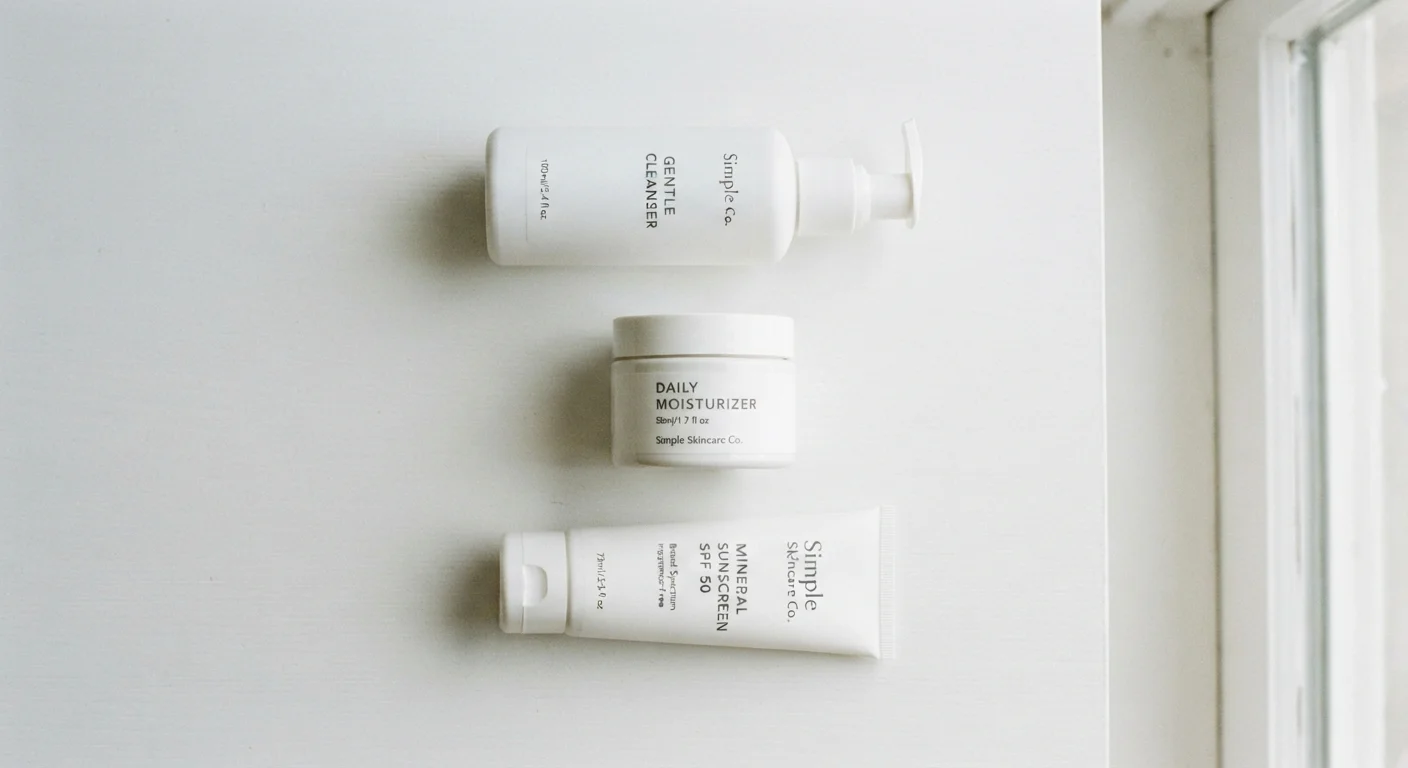
Photo: AscendWit.com | Explore Engaging Blogs. editorial
Key Takeaways
- Every effective routine needs only three non-negotiables: a cleanser, a moisturizer, and a broad-spectrum SPF.
- Sunscreen is the single most evidence-backed anti-aging and skin-health step you can take daily.
- Most serums, toners, and treatments are beneficial additions - not requirements - for a functional routine.
- More products don't equal better results; consistency with fewer steps outperforms inconsistency with many.
- Skin type, tone, and concerns vary widely - no single routine works for everyone.
The Three Steps That Actually Matter
Cut through a 12-step shelf and you'll find that most dermatologists point to the same three fundamentals: a cleanser, a moisturizer, and a broad-spectrum sunscreen. These aren't arbitrary - each targets a genuine skin-health need.
Cleansing removes the environmental pollutants, excess oil, and dead cells that accumulate throughout the day. The goal is a gentle clean, not stripping your skin. Harsh formulas disrupt the skin barrier - the protective outer layer that keeps moisture in and irritants out - and that disruption is where most skin problems begin. What each step in a basic routine is actually doing explains the mechanism behind each product in plainer detail.
Moisturizing supports barrier repair and hydration. Even oily skin benefits from a lightweight moisturizer - dehydration and oiliness are separate issues that often appear together.
Sun protection is where the evidence is clearest. Broad-spectrum SPF 30 or higher is the most well-supported daily habit in dermatology for reducing UV-related skin damage, premature aging, and long-term health risk. It belongs in every morning routine, regardless of skin tone or skin type.
90%
Of visible skin aging attributed to UV exposure
According to the Skin Cancer Foundation, cumulative UV exposure is responsible for the majority of visible changes associated with skin aging.
4-6 weeks
Time needed to evaluate a new skincare product
Dermatologists commonly recommend waiting at least one full skin-cell-turnover cycle - roughly four to six weeks - before assessing whether a new product is working.
SPF 30+
Minimum daily sunscreen protection recommended
The American Academy of Dermatology recommends broad-spectrum SPF 30 or higher as the daily minimum for effective UV protection.
What You're Being Sold That You Probably Don't Need
The skincare industry generates significant revenue from convincing consumers that their routine is perpetually incomplete. Here's an honest look at common add-ons:
- Toners: Originally designed to restore pH after astringent cleansers, most modern toners are redundant alongside a gentle cleanser. Hydrating toners can add a layer of moisture, but they're not filling a gap your skin is missing.
- Eye creams: The skin around your eyes is thinner and more delicate, but there's limited evidence that a dedicated eye cream outperforms a well-formulated moisturizer applied carefully to the area.
- Facial mists: Unless they contain genuinely active ingredients, most mists deliver a brief sensation of refreshment with little lasting benefit.
- Lengthy serum stacks: One or two targeted serums - say, a vitamin C for daytime antioxidant protection, or a retinoid at night - can be genuinely useful. Layering five or six active serums is rarely more effective and increases the risk of irritation.
Start Small, Then Build
If you're just starting out, the guide to building a routine from scratch walks through how to add products gradually so you can actually tell what's working.
Why Consistency Beats Complexity
The most common reason a skincare routine stops working isn't the products - it's irregular use. Skin responds to sustained, repeated signals. A simple three-step routine used every day will outperform an elaborate regimen used sporadically.
“The best skincare routine is one you'll actually do consistently. A simple, well-chosen regimen performed every day is more effective than a complex one performed occasionally.”
— American Academy of Dermatology, Leading professional organization for dermatology in the United States
Chasing novelty - cycling through trending ingredients before any have had time to work - is one of the most widespread mistakes. Skin typically turns over in four to six weeks; results from a new product usually require that full cycle before they become visible.
Product layering order also matters more than most people realize. Applying a thin serum over a thick cream, for example, limits how well it can penetrate. Why layering products in the wrong order reduces effectiveness covers the common sequencing errors and how to avoid them.
It's also worth noting that what works for one person may not work for another. Skin type, tone, age, and environment all shift what's appropriate - and advice that ignores those variables is incomplete. What inclusive skincare advice should actually address looks at how general guidance often falls short for diverse skin tones.
This article is for general informational purposes only and is not a substitute for advice from a licensed dermatologist or healthcare professional. If you have persistent skin concerns, consult a qualified provider.
Frequently Asked Questions
The content on this site is for informational purposes only and is not a substitute for professional advice. Always consult a qualified professional for guidance specific to your situation.