
Why Layering Products in the Wrong Order Can Make Them Less Effective

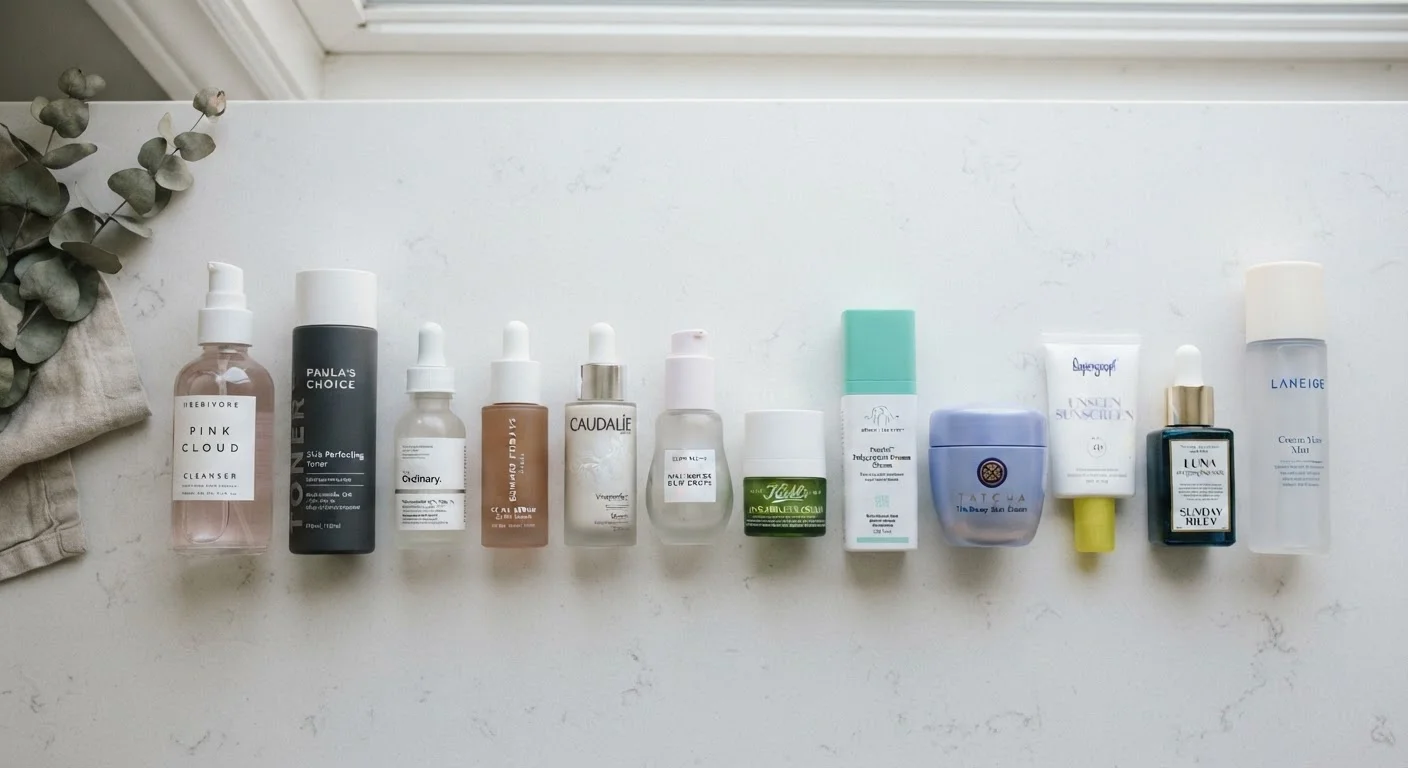
Photo: AscendWit.com | Explore Engaging Blogs. editorial
Key Takeaways
- Applying products thickest-to-thinnest is a reliable general rule for better absorption.
- Layering certain actives together-like retinol and AHAs-can cause unnecessary skin irritation.
- A serum applied after a heavy moisturizer may not penetrate the skin barrier at all.
- Skipping wait time between steps reduces how well active ingredients actually work.
- Fewer, well-ordered products often outperform a longer, poorly sequenced routine.
Why Order Matters More Than Most People Realize
A common assumption is that skincare products work independently-that as long as you use them, they'll do their job. In practice, the sequence you apply them in directly affects how much of each ingredient actually reaches your skin. Think of it like painting a wall: primer goes on before paint, not after. The same logic applies to your face.
Skin absorbs products based on molecular size and texture. Lightweight, water-based formulas (like toners and serums) are designed to penetrate deeper layers. Heavier, oil-based products sit on top and form a barrier. When you reverse this order-layering a thick cream before a serum-you're essentially asking an active ingredient to push through a wall it can't cross. The result is a product that sits on the surface and does very little.
If you're building or refining your routine, understanding what each step actually does is a strong place to start before worrying about sequencing.
Applying a serum after a heavy moisturizer or facial oil.
Stacking two potent actives back-to-back in the same routine, such as retinol immediately followed by an AHA or BHA.
Skipping wait time between steps and immediately layering the next product.
Using a physical exfoliant after applying a toner or serum.
Applying SPF underneath a moisturizer instead of on top.
The Specific Mistakes That Undermine Your Routine
These are the patterns that show up most often-and they're easy to reverse once you know what to look for.
30-60 sec
Recommended wait time between skincare steps
Cosmetic chemists commonly advise a brief absorption window between steps to prevent products from mixing on the surface before they can penetrate.
Thinnest first
General layering rule by texture
The widely accepted sequencing principle in dermatology is to layer from the thinnest, most water-based formulas to the thickest, most occlusive ones.
Once you've identified where your routine might be going wrong, structuring your AM and PM routines separately can further prevent ingredient conflicts and maximize results. For those introducing stronger actives for the first time, a practical checklist before starting any new active can help you avoid unnecessary irritation from the outset.
This article is for informational purposes only and does not constitute medical or dermatological advice. If you experience persistent skin irritation or reactions, consult a licensed dermatologist or healthcare professional.
The content on this site is for informational purposes only and is not a substitute for professional advice. Always consult a qualified professional for guidance specific to your situation.