
What Solo Travel in the US Really Looks Like for Adult Beginners

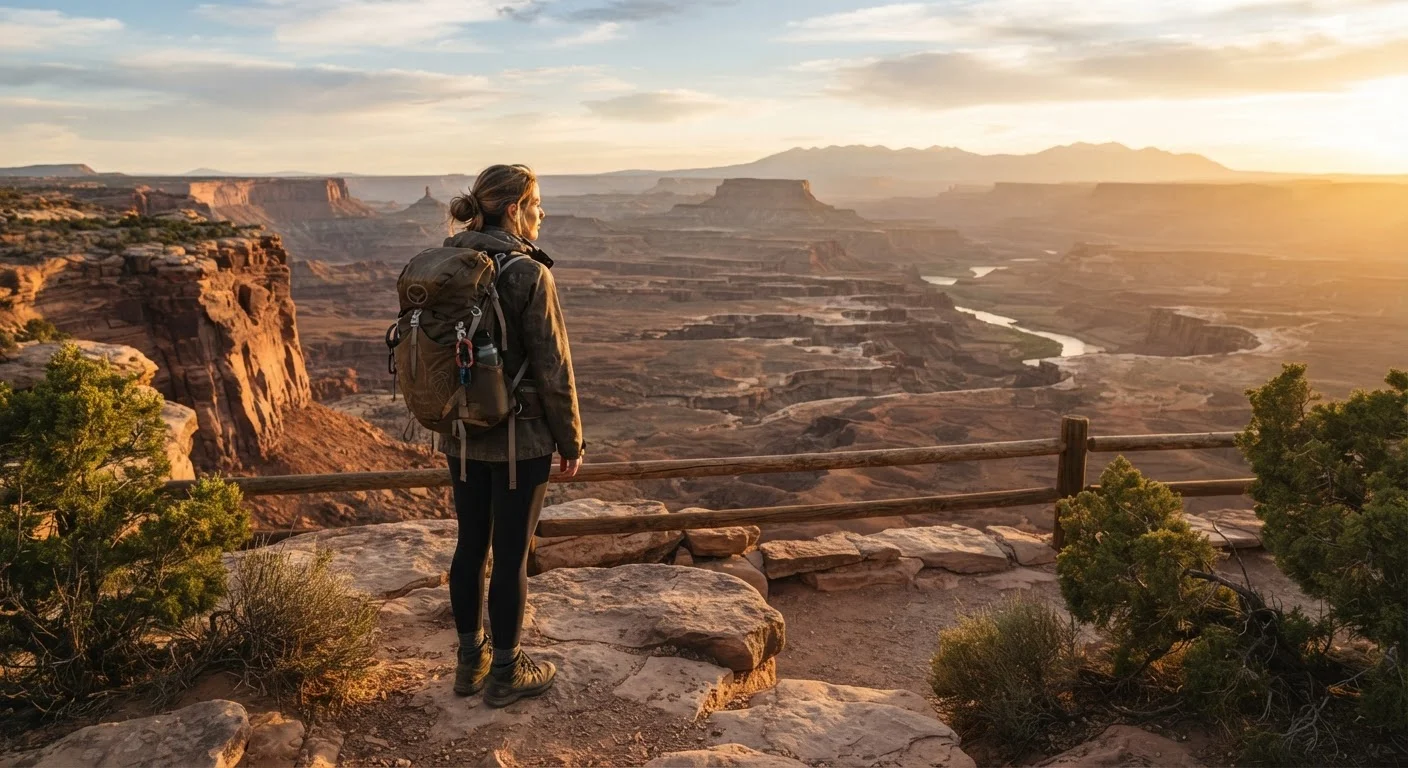
Photo: AscendWit.com | Explore Engaging Blogs. editorial
Key Takeaways
- Domestic solo travel requires planning but no special skills or prior experience.
- Matching your destination to your comfort level makes a first trip far more enjoyable.
- Logistics like transportation, accommodation type, and budget all interact - plan them together.
- Basic safety preparation is straightforward and doesn't require anxiety-driven over-planning.
- Loneliness and awkwardness are common early feelings - both typically fade quickly.
Why Adults Hesitate - And Why That's Normal
Many adults who haven't traveled solo before carry a specific set of worries: that they'll look out of place eating alone, that something will go wrong with no one to help troubleshoot, or simply that they're too old to be doing something for the first time. None of these concerns are unreasonable - but none of them are barriers either.
Solo travel for adult beginners in the US is less a niche adventure pursuit and more a straightforward logistics exercise. The US has a well-developed travel infrastructure: consistent accommodation standards, domestic flight networks, interstate highways, and increasingly, walkable urban cores. You don't need specialized equipment, a high risk tolerance, or youth on your side.
What you do need is a realistic picture of what to expect - which this guide aims to provide. If you're also new to trip planning generally, this comprehensive first-trip planning guide is a useful starting point before diving into the solo-specific considerations here.
Single occupancy rate
The price a hotel or accommodation charges for one person in a room, often higher per person than when a room is shared between two travelers.
Slow travel
A travel style that favors spending more time in fewer places, allowing for a deeper experience of a destination rather than rapid sightseeing.
Itinerary skeleton
A basic outline of your trip covering key logistics - where you'll sleep, how you'll get between places - without over-scheduling every hour of the day.
Situational awareness
The habit of paying active attention to your immediate surroundings - who is nearby, what's happening, and whether the environment feels safe - especially in unfamiliar places.
Transit-friendly destination
A city or area with reliable public transportation options (buses, subways, trains) that make it easy to get around without renting a car.
Choosing a Destination That Matches Your Style
The single most impactful first decision isn't where you want to go - it's what kind of experience you're prepared to manage alone. Solo travel amplifies both the rewards and the friction of a destination. A city that's confusing to navigate with a group becomes harder alone; a place with natural beauty and low crowds becomes more peaceful.
Consider three broad categories for a first solo trip:
- Urban destinations with walkable cores, public transit, and a density of things to do nearby. These reduce logistical decisions and make it easy to stay social if you want to.
- Nature-based destinations like national and state parks, which have structured visitor infrastructure but require more self-sufficiency. Before choosing this route, understand the key differences between national and state parks.
- Slow-travel cities - smaller, underrated urban areas where the pace is gentler and the cost of a mistake is lower. Some US cities reward exactly this kind of extended, unhurried visit.
Match the destination to your current comfort level, not your aspirational one. A successful first trip builds confidence for a more ambitious second one.
Start With What You Already Enjoy
The Logistics That Actually Matter
Solo travel logistics aren't more complicated than group travel - they're just entirely your responsibility. That shift is what trips up most beginners. Here's where to focus:
- Transportation
- Decide early whether your trip is flight-based, road-trip-based, or rail/bus-based. Each has different booking windows, cost structures, and flexibility tradeoffs. If flying, familiarize yourself with US airport security procedures before your trip.
- Accommodation
- Hotels, hostels, vacation rentals, and campgrounds each suit different solo travel styles. For a first trip, prioritizing a confirmed and reviewable accommodation reduces one major variable.
- Budget
- Solo travelers pay single occupancy rates, which changes the math significantly compared to shared travel. Understanding what budget travel realistically looks like before you build your numbers will save frustration.
Build a simple day-by-day skeleton - not a minute-by-minute schedule, but enough structure to ensure you're not making major decisions (where to sleep, how to get somewhere) while tired or lost.
Flexibility Has a Cost Threshold
Safety Basics Without the Paranoia
Solo travel does require more deliberate safety thinking than traveling with others, but the practical steps are modest. The goal is awareness and preparation, not anxiety.
A workable safety baseline for domestic solo travel includes:
- Share your itinerary - including accommodation names and check-in dates - with at least one person at home.
- Keep a charged phone and a backup power source accessible at all times.
- Research your specific destination's neighborhoods before arriving, not after. Urban areas vary significantly block by block.
- Trust situational discomfort. If something feels off, leave the situation - you don't owe an explanation to anyone.
For a more thorough framework, this solo travel safety guide covers situational awareness, communication plans, and street-smart habits in detail. The Travel Tips & Safety hub also has resources for specific scenarios.
Don't Skip the Itinerary Share
What the First Trip Actually Feels Like
Expect the first few hours to feel slightly surreal. There's no one to confirm that you chose the right restaurant or took the right exit. That absence of consensus is, for many solo travelers, both the discomfort and the point.
Common early experiences include: making a small navigation error and fixing it alone; eating a meal in public without feeling self-conscious by day two; discovering that your own pace is different - often slower or more spontaneous - than group travel.
Most adult beginners report that the hardest part is starting, not the trip itself. Plan a short trip first - a weekend or three to four nights - rather than launching immediately into a two-week solo adventure. Build your trip planning skills incrementally, and each subsequent trip becomes easier to manage and more rewarding to take.
Frequently Asked Questions
The content on this site is for informational purposes only and is not a substitute for professional advice. Always consult a qualified professional for guidance specific to your situation.