
Solo Travel Safety: A Practical Framework for Going It Alone

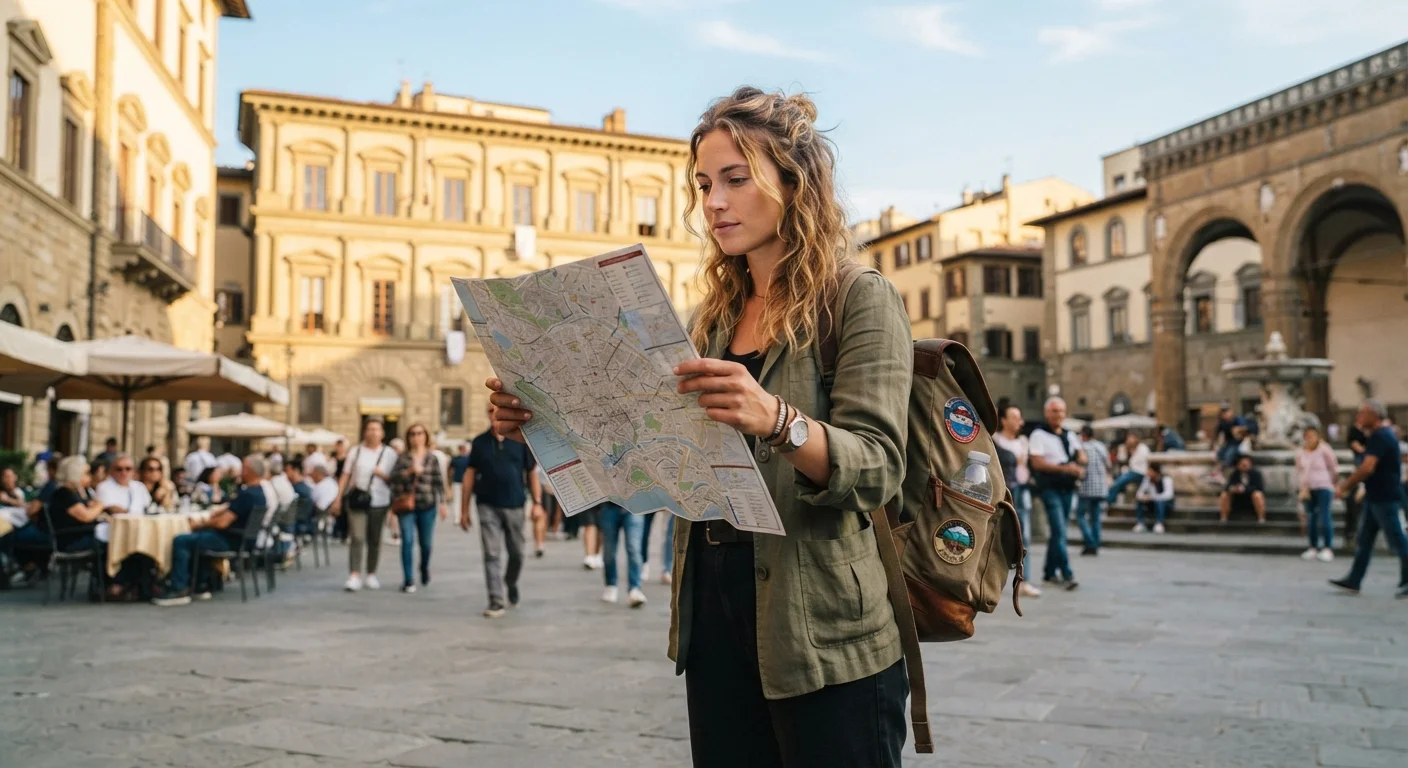
Photo: AscendWit.com | Explore Engaging Blogs. editorial
Key Takeaways
- Tell at least one trusted contact your full itinerary and check in regularly.
- Register with the U.S. Department of State's STEP program when traveling internationally.
- Situational awareness - not fear - is your most effective safety tool.
- Keep digital and physical copies of key documents stored separately.
- Know your destination's emergency numbers and nearest embassy location before you arrive.
Why Solo Travel Demands a Different Mindset
Solo travel is one of the most personally rewarding ways to explore - but it removes the safety net of a travel companion who can spot a problem, help navigate a crisis, or simply notice when something feels off. That shift in responsibility is the core reason solo travelers benefit from more deliberate preparation than group travelers.
This doesn't mean solo travel is inherently dangerous. Millions of people travel alone safely every year, across every kind of destination. What it does mean is that the work you'd normally share gets divided into one person's hands: yours. See our overview of solo travel in the US for a grounded look at what the experience actually involves.
Start with a Destination You Can Manage
Pre-Trip Safety Groundwork
Safety starts long before you board a plane or hit the road. Thorough destination research is the foundation of smart solo travel. Look beyond travel blogs and check official sources: the U.S. Department of State publishes travel advisories for every country, rating them from Level 1 (exercise normal precautions) to Level 4 (do not travel). These advisories are updated regularly and are free to access at travel.state.gov.
Research the specific neighborhoods where you'll be staying and moving around. Crime patterns, local transportation reliability, and common scams vary significantly even within the same city. Our guide on researching a destination before you book provides a structured approach to evaluating these factors before you commit.
If you're traveling internationally, enroll in the Smart Traveler Enrollment Program (STEP) through the State Department. This free service alerts you to safety conditions and helps the nearest U.S. embassy reach you in an emergency.
Level 1-4
U.S. State Department travel advisory scale
The State Department issues country-specific advisories ranging from 'exercise normal precautions' to 'do not travel,' updated as conditions change.
Free
Cost to enroll in STEP (Smart Traveler Enrollment Program)
The State Department's STEP program is free to use and helps U.S. embassies contact you in an emergency or during a local crisis.
Building a Communication Plan
A communication plan is one of the simplest and most effective safety tools a solo traveler can have. Before you leave, share your complete itinerary - accommodations, transportation legs, and planned activities - with at least one trusted person at home. Agree on a regular check-in schedule: a brief daily text or app message is enough.
Choose a communication method that works across borders. Many solo travelers use messaging apps that function over Wi-Fi, which reduces reliance on international cellular plans. If your phone plan doesn't include international coverage, research options like local SIM cards or international add-ons before departure - our smartphones explained hub covers how to evaluate connectivity options.
Set a specific check-in time rather than a vague 'I'll message when I can' - a missed deadline triggers action, while an open window invites delay.
Save your accommodation's address in the local script or language so you can show it to a taxi driver or passerby without relying on pronunciation.
Also establish a protocol for missed check-ins: what should your contact do if they don't hear from you by a set time? Having a clear answer - such as contacting the local embassy or a specific emergency number - means help can be mobilized faster if needed.
Situational Awareness on the Ground
Situational awareness means paying attention to your environment - who and what is around you - without living in a state of anxiety. It's a practical skill, not a paranoid one. A few habits make a significant difference:
- Minimize visible distraction. Staring at your phone while walking, especially in unfamiliar areas, signals inattention and can make you a target for opportunistic theft.
- Learn the layout before you arrive. Reviewing a map at your accommodation is far safer than puzzling over it on a street corner.
- Trust your instincts. If a situation feels wrong, leave. Politeness is not worth a compromised safety situation.
- Blend in where possible. Wearing conspicuous jewelry or carrying expensive camera equipment openly in high-theft areas increases risk unnecessarily.
Avoid Sharing Real-Time Location Publicly
Being street-smart isn't about suspicion - it's about being present and making low-effort choices that reduce your exposure to risk.
Managing Your Documents and Finances Safely
Lost or stolen documents can derail a trip far more than almost any other incident. Before departure, make digital copies of your passport, visa, travel insurance policy, and any other critical documents. Store them in a secure cloud service you can access from any device, and leave a physical copy with your emergency contact at home.
Carry only what you need each day. A money clip or slim wallet in a front pocket is harder to pickpocket than a bulging back-pocket wallet. Consider a travel money belt for passports and larger sums when moving through busy transit hubs.
Travel Insurance and Document Coverage
For finances, notify your bank of your travel dates and destinations before leaving. Having access to at least two payment methods - such as a debit card and a credit card - provides a fallback if one is lost or blocked. For a broader overview of trip planning logistics, see our trip planning hub.
What to Do When Something Goes Wrong
Even well-prepared travelers encounter problems. Knowing your response options before you need them reduces panic and speeds up resolution.
For theft or loss of a passport abroad, contact the nearest U.S. embassy or consulate immediately - they can issue an emergency passport. Save the embassy's address and phone number in your phone and on paper before you travel.
For medical emergencies, know the local equivalent of 911 (it varies by country) and locate the nearest hospital or clinic when you arrive at a new destination. Travel insurance that includes medical evacuation coverage is worth understanding before you purchase a policy - our first big trip planning guide covers how to think through insurance as part of your overall preparation.
Know Your Embassy's Contact Details Before You Arrive
Document everything: photos of incidents, police report numbers, and records of any communications with authorities or your insurer. These records are essential for insurance claims and any follow-up action.
This article provides general travel safety information for educational purposes. Always verify entry requirements, travel advisories, and emergency procedures through official government sources before traveling.
The content on this site is for informational purposes only and is not a substitute for professional advice. Always consult a qualified professional for guidance specific to your situation.