
Everything You Need to Know Before Planning Your First Big Trip

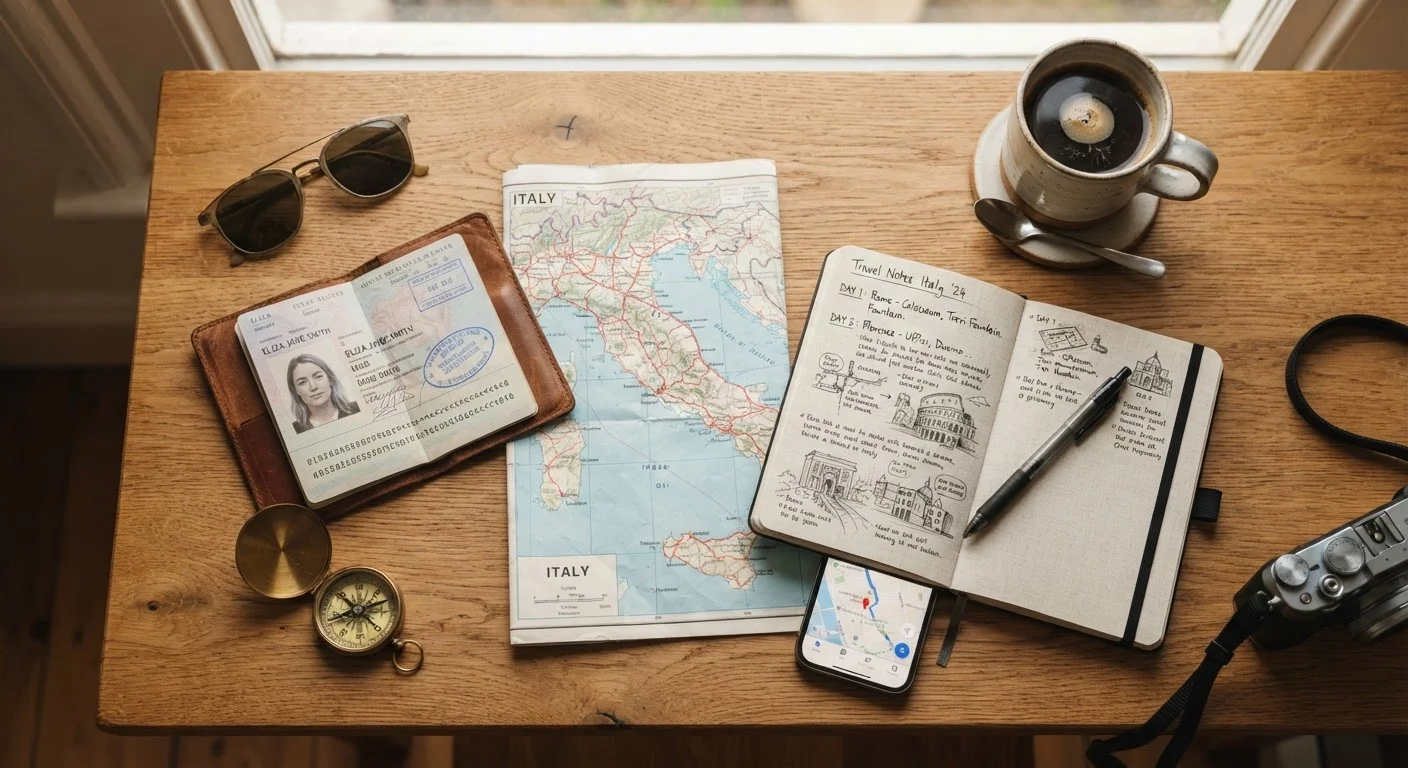
Photo: AscendWit.com | Explore Engaging Blogs. editorial
Key Takeaways
- Clarifying your travel goals before booking saves time, money, and frustration.
- A written budget - including a contingency cushion - keeps spending on track.
- Booking flights and accommodations early generally offers more options and stability.
- A flexible itinerary prevents burnout while keeping your priorities front and center.
- Verifying documents, travel advisories, and insurance well ahead of departure is essential.
Define Your Trip Before You Book Anything
The most common first-timer mistake is jumping straight to flight searches before answering a more fundamental question: what kind of trip do you actually want? Your answer shapes every decision that follows.
Start by thinking through three things:
- Purpose: Are you seeking adventure, rest, cultural immersion, or a mix? A relaxation-focused trip calls for a very different pace than a city-hopping exploration.
- Duration: How many days can you realistically take off? Factor in travel days - a five-day trip with two full travel days leaves three days at your destination.
- Travel style: Do you prefer structure or spontaneity? Solo, with a partner, or in a group? Each variable influences what kind of planning you'll need.
Answering these questions honestly early on helps you choose a destination that fits your situation rather than one that just looks good on social media. For a deeper dive into international-specific prep, see Your First International Trip: Getting From Overwhelmed to Ready.
Itinerary
A planned schedule of your trip activities, transportation, and accommodations. It serves as a flexible guide, not a rigid timetable.
Travel advisory
An official government notice warning travelers about safety, health, or legal conditions at a specific destination. The U.S. issues these through the Department of State.
Contingency budget
A reserved portion of your travel funds set aside for unexpected costs like flight changes, medical expenses, or unplanned transportation.
Anchor experience
A must-do activity or attraction you build your daily schedule around - the one or two things per day you'd most regret missing.
Travel insurance
A policy that can reimburse you or provide assistance for covered events during travel, such as trip cancellation, medical emergencies, or lost baggage.
Setting a Realistic Travel Budget
A written budget is one of the most useful tools a first-time traveler can have. Without one, costs tend to creep up in ways that are only obvious after you've returned home.
Break your budget into clear categories:
- Transportation: Flights or driving costs, plus local transit at your destination (trains, buses, taxis, rideshares).
- Accommodations: Hotels, hostels, vacation rentals, or other lodging options - priced per night multiplied by your stay length.
- Food and drink: Research average meal costs for your destination. A rough daily estimate helps keep spending visible.
- Activities and entry fees: Museums, tours, national parks, guided experiences - these add up faster than most people expect.
- Travel insurance and incidentals: Never skip a contingency cushion of 15-20% for unexpected expenses like delays, medical needs, or last-minute changes.
Track Spending Before You Go
For a comprehensive pre-departure checklist including budget tracking, use The Trip Planning Checklist Every Traveler Should Run Through.
Booking Flights and Accommodations
Once your dates and budget are set, booking transportation and lodging is where the plan becomes real. A few principles help first-timers navigate this step with less stress.
Flights: Flexibility with dates - even by a day or two - can make a meaningful difference in available options. Mid-week departures and returns are often less crowded than weekend travel. Book directly through airlines or well-known travel aggregators and read cancellation policies carefully before completing any purchase.
Accommodations: Consider location as carefully as price. Staying centrally located often reduces transportation costs and time. Read recent reviews with attention to details about cleanliness, safety, and noise level. Know the cancellation or refund policy before booking non-refundable rates.
Cancellation Policies Vary Widely
First-time international travelers should also review Things That Catch First-Time International Travelers Off Guard for logistical details - like plug adapters and airport transit rules - that are easy to overlook.
Building a Flexible Itinerary
A good itinerary isn't a minute-by-minute schedule - it's a framework that keeps your priorities visible while leaving room for the unexpected. Over-packed days are the fastest route to trip burnout.
A practical approach: identify one to three anchor experiences per day - the things you'd most regret missing - and schedule everything else loosely around them. Leave at least one afternoon or morning completely unscheduled. That's often when the best moments happen.
Pace matters as much as content. A general rule of thumb is to plan less than you think you can handle, especially on travel days or after long flights. Building an Itinerary That Doesn't Leave You Exhausted by Day Three offers detailed pacing strategies for trips of every length.
Documents, Safety, and Pre-Trip Essentials
No matter where you're headed, a handful of pre-departure tasks protect your trip - and your peace of mind.
- Passport and visas: Check your passport's expiration date. Many countries require at least six months of validity beyond your travel dates. Verify visa requirements at travel.state.gov well in advance of your departure date.
- Travel advisories: The U.S. Department of State publishes destination-specific advisories that flag safety, health, or entry concerns. Review these before booking and again close to your departure date, as conditions can change.
- Travel insurance: Understand what your policy covers before you need it. Medical coverage, trip interruption, and emergency evacuation are particularly important for international travel.
- Digital backups: Store copies of your passport, insurance documents, and key reservations in a secure cloud location and email them to yourself.
- Communication plan: Let someone at home know your itinerary. If you're traveling solo, Solo Travel Safety: A Practical Framework for Going It Alone has a structured approach to staying connected and street-smart.
For broader safety guidance, the Travel Tips & Safety hub covers essentials for staying prepared and comfortable across all trip types.
Always Verify Entry Requirements Directly
Frequently Asked Questions
The content on this site is for informational purposes only and is not a substitute for professional advice. Always consult a qualified professional for guidance specific to your situation.