
Airport Security in the US: What First-Time Flyers Often Get Wrong

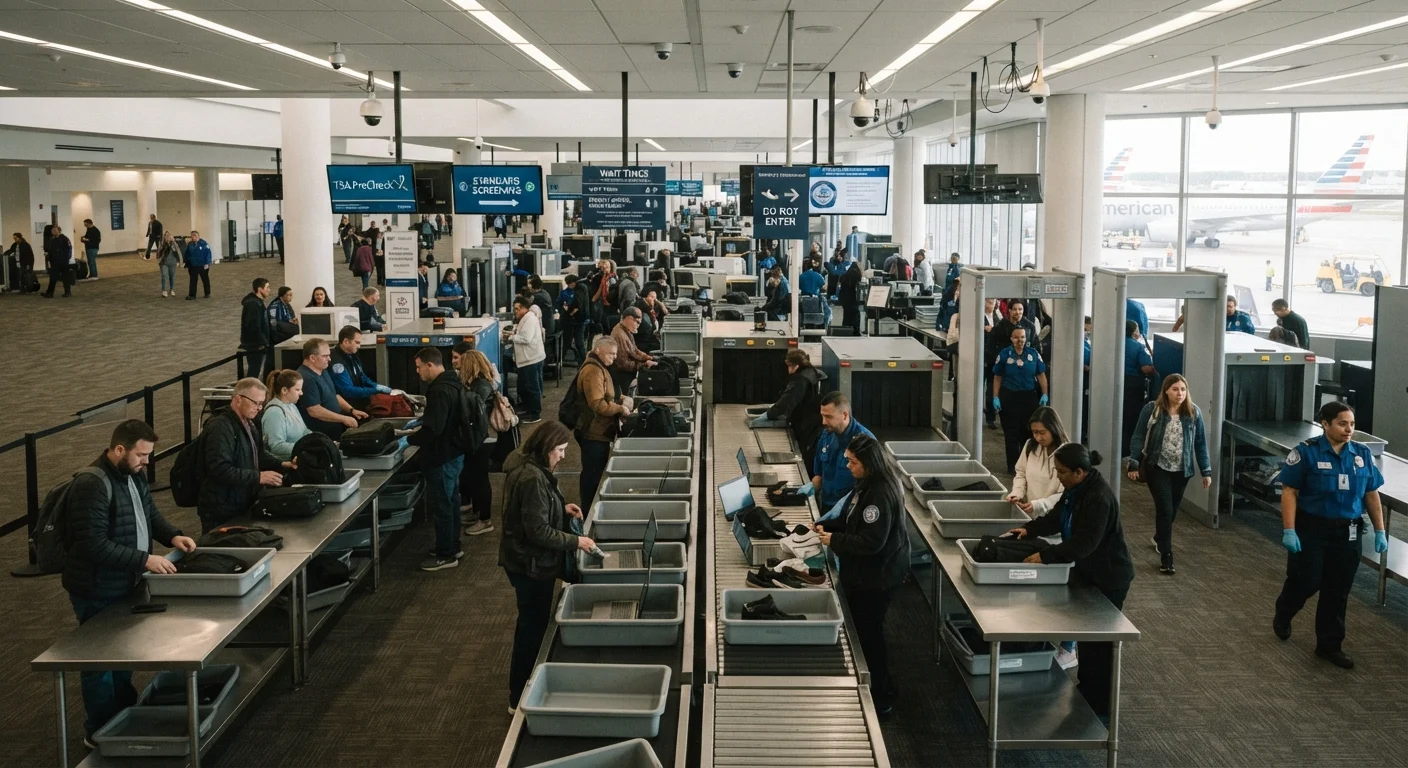
Photo: AscendWit.com | Explore Engaging Blogs. editorial
Key Takeaways
- Liquids must be 3.4 oz or under and fit inside one quart-sized clear bag per traveler.
- Laptops and large electronics must be removed from bags and placed in a separate bin.
- Arriving at least 90 minutes before a domestic flight gives enough buffer to clear security.
- TSA PreCheck can significantly reduce wait times and simplify the screening process.
- Prohibited items - including certain chargers and foods - are easy to pack accidentally.
Why Airport Security Trips Up First-Timers
Airport security in the US is managed by the Transportation Security Administration (TSA), and the rules are more specific than many new flyers realize. Most delays aren't caused by deliberate rule-breaking - they're caused by small, preventable oversights. A misunderstood liquid rule, an overlooked belt, or an unremoved laptop can mean a secondary screening, a repacked bag, or a missed flight.
Understanding the logic behind the system makes it much easier to navigate. The TSA's screening process is designed to detect threats quickly at scale, which means consistency matters - what slows one person down often creates a ripple effect for everyone behind them. If you're heading to the airport for the first time, a little preparation goes a long way. For a broader look at pre-departure logistics, see what travelers often forget before leaving home.
Packing liquids incorrectly or in the wrong container size.
Leaving a laptop inside a bag during screening.
Arriving too close to departure time.
Wearing or carrying items that trigger the metal detector.
Accidentally packing prohibited or restricted items.
How to Move Through Security With Less Friction
The single biggest factor in a smooth security experience is preparation - most of it done before you reach the checkpoint. Pack your carry-on so that screening items are easy to access: liquids in an outer pocket, electronics near the top. Wear shoes you can slip on and off quickly, and avoid metal-heavy clothing like belts with large buckles or jackets with lots of zippers.
~2.9M
Passengers screened daily by TSA
According to TSA data, the agency screens roughly 2.9 million travelers on an average day across US airports.
~6M
Prohibited items caught annually
The TSA reports intercepting millions of prohibited items each year, the majority brought unintentionally by passengers unaware of the rules.
Once in line, start preparing early. Pull out your boarding pass (digital or printed) and ID before you reach the document checker. When you get to the bins, work methodically: shoes in one bin, liquids bag flat and visible in another, laptop separately. Walk through the scanner with pockets emptied - coins, phones, and keys are common triggers for secondary screening.
If you fly regularly, enrolling in TSA PreCheck allows you to keep shoes on, laptops in your bag, and liquids packed - substantially reducing prep time at the checkpoint. Applications are handled through the TSA's official website. First-time flyers planning international trips may also want to review what to expect on your first international trip, since customs procedures add another layer after landing.
Don't Rely on Memory for the Rules
Solo travelers new to US airports will find that most checkpoints are clearly signed and staffed with agents who can answer basic questions. For more on navigating domestic travel independently, what solo travel in the US actually looks like is a useful starting point. Good planning before your trip - covered in our trip planning hub - reduces checkpoint surprises significantly.
The content on this site is for informational purposes only and is not a substitute for professional advice. Always consult a qualified professional for guidance specific to your situation.