
Underrated US Cities That Reward Slow Travel

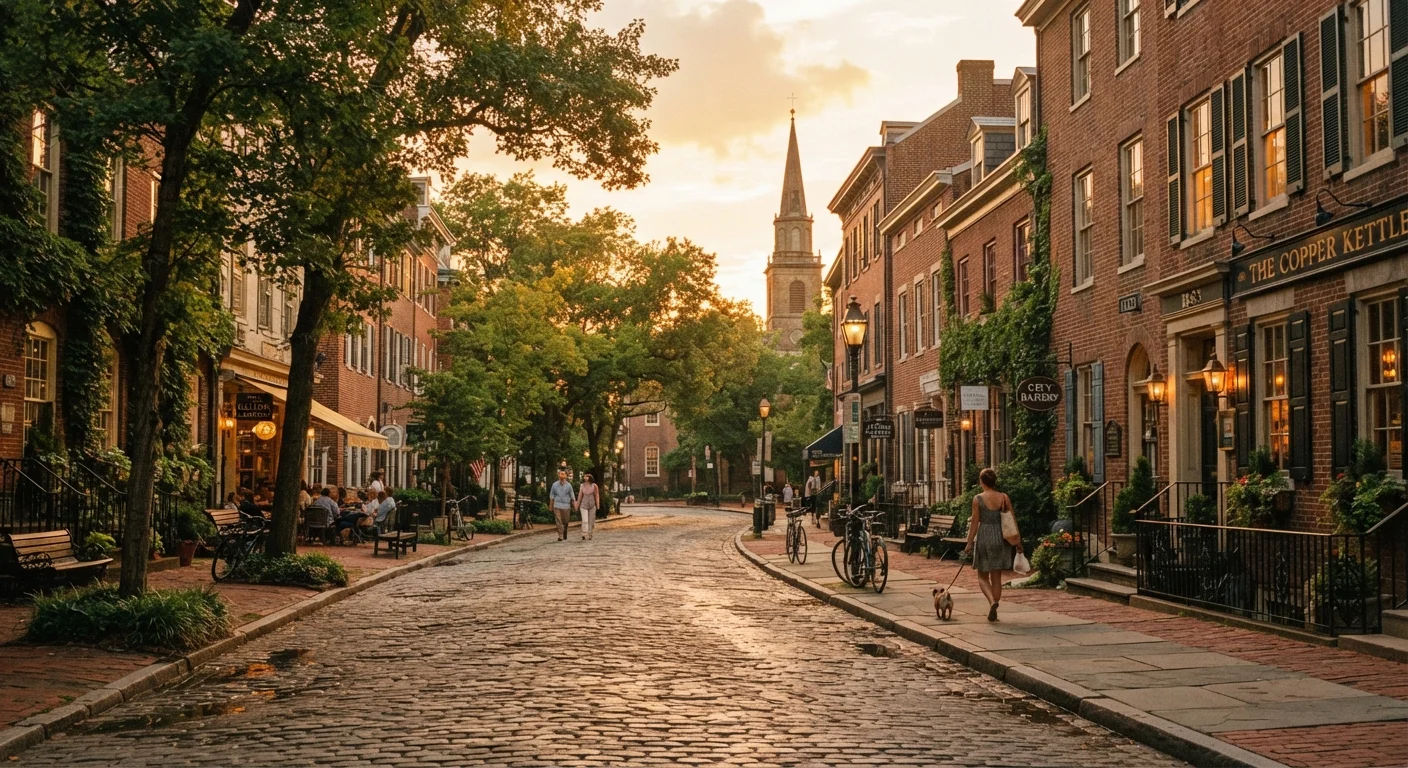
Photo: AscendWit.com | Explore Engaging Blogs. editorial
Key Takeaways
- Slow travel-spending more days in fewer places-helps you experience a city more authentically than a rushed itinerary.
- Mid-size and smaller US cities often offer lower costs, less crowding, and richer neighborhood character than major tourist hubs.
- Each city on this list has distinct cultural, culinary, or outdoor layers that only emerge over multiple days.
- Timing your visit outside peak seasons can stretch your budget and reduce congestion significantly.
- Always verify current travel conditions, local events, and entry or accommodation availability before booking.
Why Lingering Makes All the Difference
Most Americans plan trips around efficiency-maximize attractions, minimize days off work. But a growing number of travelers are discovering that slowing down unlocks a completely different kind of experience. When you stay in one place for four or five days instead of one or two, neighborhoods stop feeling like backdrops and start feeling like places people actually live. You find the coffee shop the locals defend fiercely, the park that isn't on any map, the restaurant that doesn't have a sign.
This approach-sometimes called slow travel-works especially well in underrated US cities, where the appeal isn't a single marquee sight but rather an accumulated texture. If you're building an itinerary that leaves room to breathe, these destinations are worth serious consideration. And if you're traveling solo for the first time, their walkable scale and welcoming communities make them especially manageable.
Savannah, Georgia
Savannah is one of the most architecturally cohesive cities in the United States, and its 22 historic squares are designed-almost accidentally-for slow exploration. Each square has its own character, shaded by massive live oaks draped in Spanish moss. Walking between them is the activity, not a way to get somewhere else.
The city's food scene punches well above its size, with a range of independent restaurants drawing on Lowcountry culinary traditions. Savannah College of Art and Design (SCAD) has also given the city a creative energy that shows up in its galleries, street art, and boutique shops. Visitors who stay at least four nights typically find that the first two days scratch the surface-and days three and four are when the city starts to feel genuinely familiar.
Savannah's 22 historic squares are practically designed for slow, purposeful wandering.
Boise, Idaho
Boise has grown considerably in recent years, but it retains an approachable, outdoors-forward character that makes it ideal for travelers who want a city base with easy access to nature. The Boise River Greenbelt-a paved path that runs roughly 25 miles along the river-is a practical way to move around the city without a car, connecting parks, neighborhoods, and amenities in a single corridor.
Downtown Boise's food and drink scene has matured significantly, with a concentration of locally owned spots that reflect the region's agricultural surroundings. Slow travelers will also appreciate how close the foothills are: within 15 minutes of downtown, you can be on trail networks with views of the whole valley. Boise tends to get overlooked in favor of Pacific Northwest cities, but its lower cost of living translates to meaningfully lower visitor costs as well.
Boise's trail networks and greenbelt make it unusually easy to explore on foot or by bike.
Asheville, North Carolina
Asheville has earned attention for its craft beverage scene and arts community, but it still flies under the radar compared to Nashville or Charleston for many travelers. Nestled in the Blue Ridge Mountains, the city offers an unusual combination of walkable urban neighborhoods and dramatic surrounding scenery. The downtown River Arts District alone could occupy a full afternoon without any agenda-studios, galleries, and converted industrial spaces line the French Broad River.
The surrounding mountains reward day trips if you have a rental car or are comfortable driving mountain roads. Hiking in the Pisgah National Forest or along segments of the Blue Ridge Parkway offers scenery that can feel remote despite being a short drive from the city center. Asheville's accommodations range from independent inns to larger hotels; booking well in advance is advisable, especially in fall when leaf-peeper traffic peaks.
Asheville combines walkable urban arts districts with immediate access to Blue Ridge mountain scenery.
Albuquerque, New Mexico
Albuquerque rarely tops travel wish lists, but for visitors willing to look past its sprawling layout, the city offers a depth of cultural history and natural drama that's genuinely rare. The Old Town district, dating to 1706, sits beside the Rio Grande and provides a grounded entry point into New Mexico's layered Indigenous and Spanish Colonial heritage. Nearby museums-including the Indian Pueblo Cultural Center-are substantive and worth multiple hours.
The Sandia Mountains rise dramatically on the city's eastern edge, reachable by tram or hiking trail. In the evenings, the light that gives the region its nickname-Land of Enchantment-turns the mountains a vivid pink. Albuquerque also has a relatively affordable visitor cost profile compared to Santa Fe, making it worth considering as a base for exploring northern New Mexico more broadly.
Albuquerque's blend of Indigenous heritage, colonial history, and mountain scenery rewards patient exploration.
Portsmouth, New Hampshire
Portsmouth is a compact city-around 22,000 residents-but its density of well-preserved colonial architecture, independent restaurants, and maritime history makes it feel much larger in terms of things to do. The historic Strawbery Banke Museum is an outdoor living history site spread across 10 acres of original homes and structures, giving visitors a layered sense of how the city evolved over several centuries.
Market Square and the surrounding streets are walkable and lively without feeling overrun. Portsmouth also serves as a natural base for exploring the wider Seacoast region-the Isles of Shoals, Odiorne State Park, and the New Hampshire beaches are all within a short drive. For slow travelers, the combination of compact urban character and accessible surroundings makes an extended stay genuinely productive rather than repetitive.
Portsmouth packs centuries of maritime history into a walkable, intimate downtown that rewards extended visits.
Tucson, Arizona
Tucson's appeal is unhurried by nature-the desert sets the pace. The city is ringed by mountain ranges on four sides, and the Sonoran Desert landscape surrounding it is among the most biodiverse desert ecosystems in North America. Saguaro National Park, split into east and west districts on either side of the city, is accessible without long drives and offers hiking experiences that vary considerably between the two sections.
Within the city, the 4th Avenue and Congress Street corridors have a concentrated independent business character, with art spaces, vintage shops, and restaurants that reflect Tucson's Mexican cultural influences and university-town energy. The food scene-particularly the Sonoran-style Mexican cuisine native to the region-is a legitimate reason to extend a stay. Tucson's summers are intensely hot, so timing matters; spring and fall are generally considered the most comfortable visiting periods.
Tucson's position inside four mountain ranges makes it one of the most scenically layered desert cities in the country.
How to Plan a Slow Travel Trip to Any of These Cities
Slow travel rewards flexibility. Rather than booking every day wall-to-wall, leave at least one or two unscheduled afternoons per trip-those gaps are where the best memories tend to form. Timing your visit outside peak season can dramatically change costs and crowding in all of these cities, particularly in places like Savannah and Asheville where summer and fall draw heavy visitor traffic.
Give Yourself at Least Four Nights
Before you commit to a destination, spend time researching it thoroughly. The smarter way to research a destination involves looking beyond tourism websites-check local news sources, neighborhood forums, and recent visitor accounts to get a realistic picture of what a place is like right now. For any safety, entry, or transportation specifics, always verify through official government and local authority sources before you travel.
These cities may not dominate travel headlines, but that's exactly what makes them worth your time. The less familiar a destination feels at first, the more satisfying it tends to become once you start to figure it out. See also: what the Great Lakes region offers travelers who usually skip it-another part of the country that rewards patient, curious visitors.
The content on this site is for informational purposes only and is not a substitute for professional advice. Always consult a qualified professional for guidance specific to your situation.