
Seasonal Car Care: Preparing Your Vehicle for Weather Changes

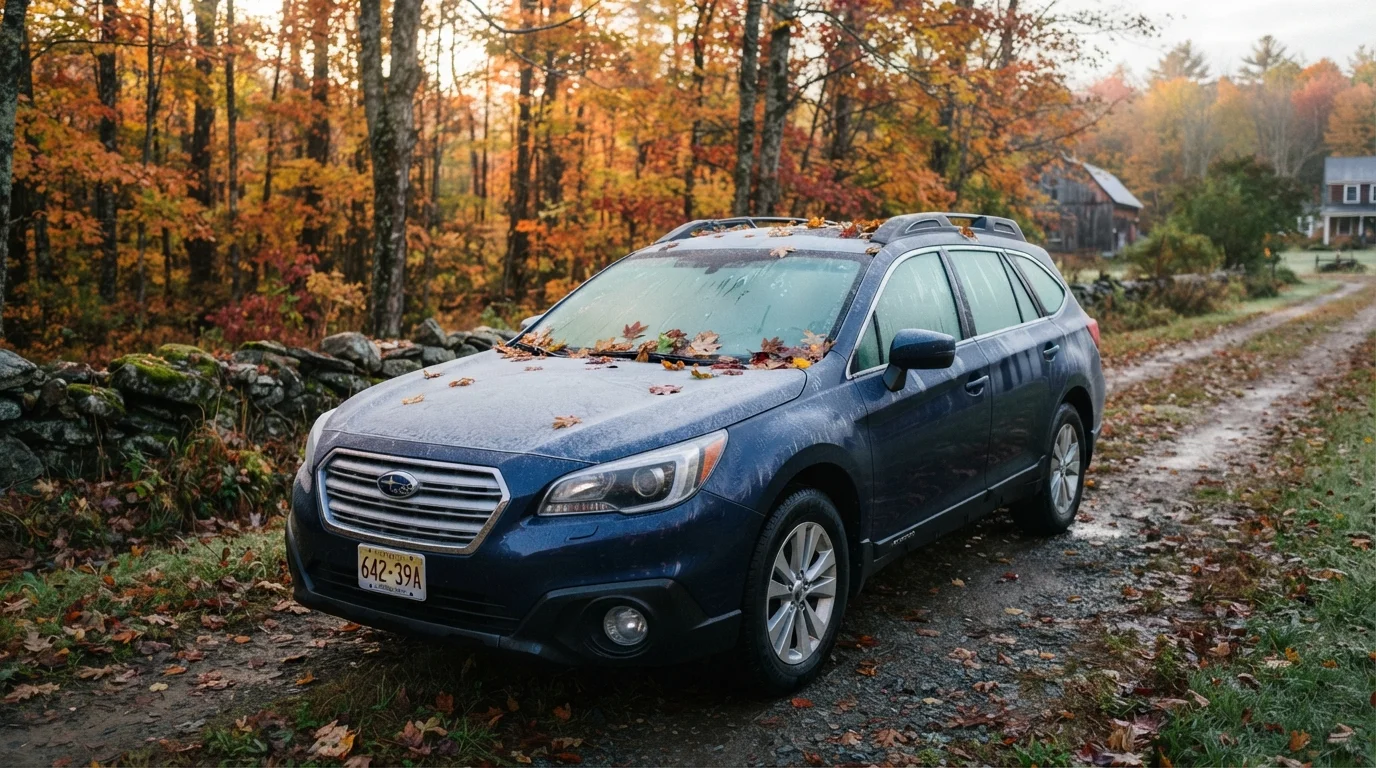
Photo: AscendWit.com | Explore Engaging Blogs. editorial
Key Takeaways
- Tires, battery, and fluids are the three systems most affected by temperature swings.
- Transition seasons - fall and spring - are the best times to run through a full vehicle inspection.
- Many seasonal checks take under five minutes and require no special tools.
- Cold weather reduces tire pressure; hot weather stresses your cooling system.
- Catching small issues before a season changes is far less costly than roadside repairs.
Why Seasonal Maintenance Matters
Your vehicle's systems don't respond equally to every kind of weather. A battery that cranks just fine in July may struggle to start on a cold January morning. Tire pressure that's spot-on in mild weather drops noticeably once temperatures fall. Coolant that looks fine in spring can become a problem in high summer heat.
Seasonal car care isn't about inventing extra work - it's about doing the right checks at the right time. Think of it as aligning your maintenance with what your vehicle is actually about to face. For a broader look at the full spectrum of routine upkeep, see routine vehicle maintenance basics.
The checklist below is split into two main seasonal windows: preparing for cold weather (fall into winter) and preparing for warm weather (spring into summer). Run through whichever applies to your current season, and bookmark the other for when the calendar turns.
Don't Assume Last Season's Check Still Holds
Tools You'll Want on Hand
You don't need a full garage setup to complete most of these checks. A few basic items will take you through the majority of this list.
Tire pressure gauge
Used to check inflation in all four tires and the spare during both warm- and cold-weather prep.
Battery load tester or voltmeter
Allows you to measure battery voltage and assess whether it can hold a charge under cold-start conditions.
Antifreeze tester (test strips or float-ball tester)
Checks whether your coolant mixture provides adequate freeze protection for your expected winter temperatures.
Flashlight or work light
Helps you inspect belts, hoses, brake components, and the undercarriage in low-light conditions.
Owner's manual
Provides manufacturer-specified fluid types, capacities, and maintenance intervals unique to your vehicle.
The Seasonal Maintenance Checklist
Work through each group in order. Items marked must are non-negotiable for safe, reliable operation. Should items are strongly recommended. Nice-to-have items are optional but worth doing when time allows.
Cold-Weather Prep (Fall → Winter)
Warm-Weather Prep (Spring → Summer)
Year-Round Checks (Do Both Seasons)
Let a Mechanic Handle These Tasks
If your vehicle has over 100,000 miles, some of these checks deserve extra attention. The high-mileage car maintenance guide covers which systems tend to be more vulnerable as the odometer climbs.
After You've Worked Through the List
Once you've completed your seasonal checks, note anything that needed attention and flag items you want to revisit at the next oil change. Keeping a simple log - even a notes app on your phone - helps you spot patterns over time.
If you found yourself unsure about any item on this list, understanding your car's maintenance schedule can help clarify what intervals apply to your specific vehicle. And before heading into any challenging weather, brush up on how conditions like ice, rain, and fog each require a different driving approach with our bad-weather driving guide.
When in doubt about any mechanical issue - unusual noises, warning lights, or anything that doesn't look or feel right - have a qualified mechanic inspect it before the season fully sets in. A short shop visit now beats an inconvenient breakdown later.
The content on this site is for informational purposes only and is not a substitute for professional advice. Always consult a qualified professional for guidance specific to your situation.