
The Role of Fiber in Your Diet-and Why Most Americans Fall Short

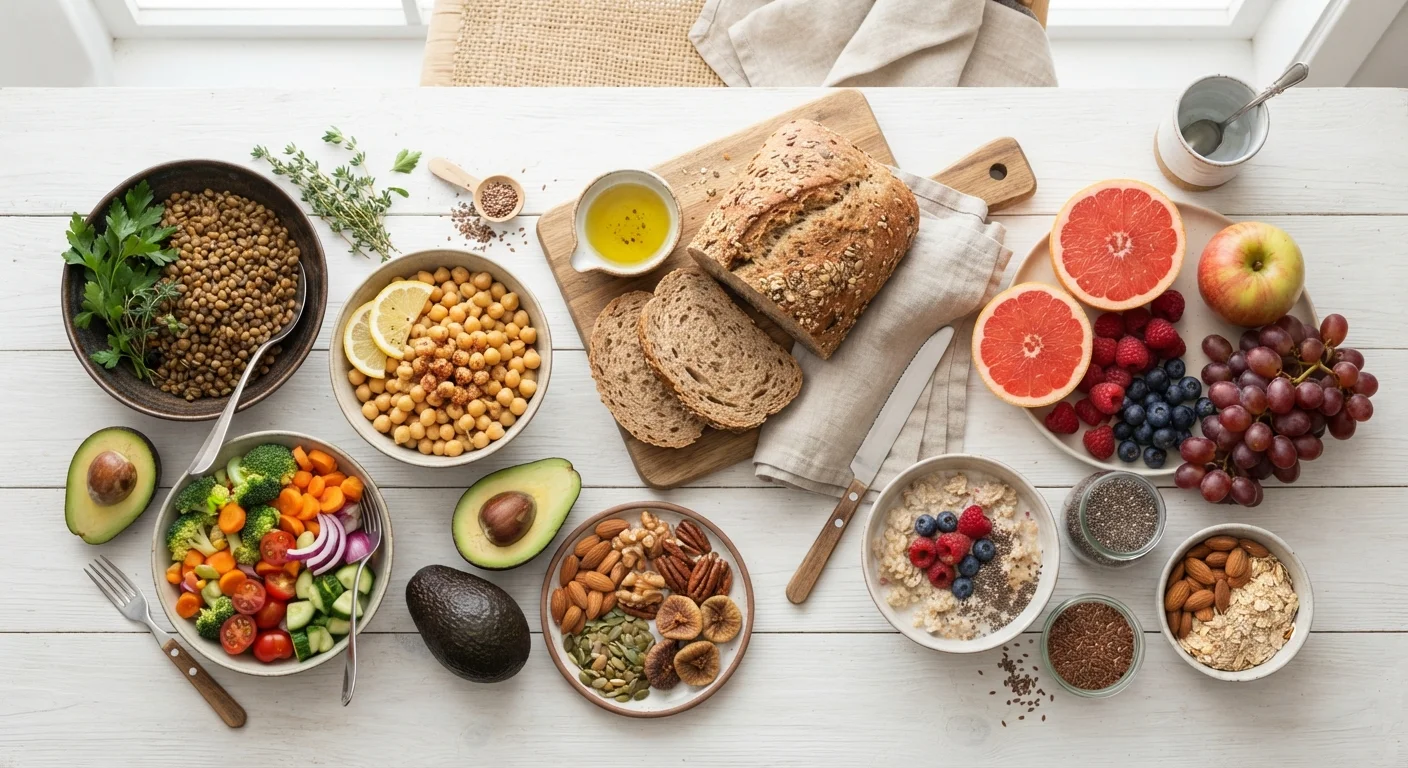
Photo: AscendWit.com | Explore Engaging Blogs. editorial
Key Takeaways
- Most American adults consume only about half the daily fiber their body needs.
- Fiber supports digestive health, heart health, blood sugar control, and weight management.
- Soluble and insoluble fiber work differently but both contribute to overall well-being.
- Whole grains, legumes, vegetables, and fruits are among the richest dietary fiber sources.
- Gradually increasing fiber intake and drinking adequate water helps avoid digestive discomfort.
What Fiber Actually Does in Your Body
Fiber's reputation is often reduced to digestive regularity, but its role in the body extends well beyond that. Soluble fiber - found in oats, beans, apples, and flaxseed - dissolves in water and slows digestion. This slower transit helps moderate blood sugar spikes after meals and can lower LDL ("bad") cholesterol by binding to bile acids in the gut. Insoluble fiber, abundant in whole wheat, nuts, and most vegetables, adds bulk to stool and speeds movement through the intestines, reducing the risk of constipation.
Emerging research also highlights fiber's role in feeding the gut microbiome - the trillions of bacteria living in the large intestine. When beneficial bacteria ferment fiber, they produce short-chain fatty acids that support the gut lining, reduce inflammation, and may even influence immune function and mood. This gut-brain connection is an active area of scientific investigation, and while the full picture is still evolving, the evidence for fiber's broad benefits is strong.
“Dietary fiber is one of the most important nutrients most Americans don't get enough of. The evidence linking adequate fiber intake to reduced risk of heart disease, type 2 diabetes, and colorectal cancer is among the strongest in nutritional science.”
— Walter Willett, Professor of Epidemiology and Nutrition, Harvard T.H. Chan School of Public Health
The Fiber Gap: Why Americans Come Up Short
Despite fiber's well-documented benefits, the majority of US adults consume far less than general dietary guidance recommends. The reasons are largely structural. Decades of food processing have stripped fiber from staple foods: refined white flour, white rice, and most packaged snack foods contain little to no fiber compared to their whole-food counterparts.
~5-10%
Americans meeting daily fiber recommendations
Research published in the American Journal of Lifestyle Medicine estimates that fewer than 1 in 10 American adults meet the recommended daily fiber intake.
~16g
Average daily fiber intake for US adults
According to data from the National Health and Nutrition Examination Survey (NHANES), the average US adult consumes roughly 16 grams of fiber per day - well below the 25-38g range generally recommended.
10-15%
Reduced heart disease risk with high fiber intake
A landmark review in The Lancet found that high dietary fiber intake was associated with a 15-30% reduction in cardiovascular disease risk and all-cause mortality compared to low intake.
Eating patterns also play a role. A diet built around fast food, processed meats, and sugary drinks leaves little room for the fruits, vegetables, and legumes that drive fiber intake. As our nutrition myths explainer notes, many people believe they eat relatively healthfully when their actual intake of whole plant foods is quite limited. Budget concerns are another factor - though as our guide on eating well on a budget shows, many high-fiber staples like dried beans, lentils, and oats are among the most affordable foods in any grocery store.
Foods That Can Help Close the Gap
Boosting fiber intake doesn't require specialty products or dramatic dietary overhauls. The most impactful changes typically come from swapping refined grains for whole grains, adding legumes to meals several times per week, and making vegetables and fruit more central to everyday eating.
- Legumes: Lentils, black beans, chickpeas, and kidney beans deliver 6-9 grams of fiber per half-cup cooked serving - making them one of the most fiber-dense foods available.
- Whole grains: Oats, barley, quinoa, and whole-wheat products provide significantly more fiber than their refined equivalents.
- Vegetables: Broccoli, artichokes, Brussels sprouts, carrots, and sweet potatoes are standout sources. Eating the skin on potatoes and other produce preserves additional fiber.
- Fruit: Pears, apples, berries, and avocados are particularly fiber-rich. Whole fruit delivers more fiber than juice.
- Nuts and seeds: Chia seeds, flaxseed, and almonds contribute meaningful fiber alongside healthy fats.
Start With One Swap, Not a Full Overhaul
It's worth noting that common nutrition traps - like relying on foods marketed as "high fiber" but heavily processed - can give a false sense of progress. Checking food labels and prioritizing whole-food sources remains the most reliable strategy.
How to Increase Fiber Without the Side Effects
A sudden jump in fiber intake commonly causes gas, bloating, and cramping - which discourages many people from continuing. The key is gradual change. Adding one additional serving of a high-fiber food per week, rather than overhauling the entire diet at once, gives gut bacteria time to adapt.
Hydration matters too. Fiber - especially insoluble fiber - absorbs water as it moves through the digestive tract. Inadequate fluid intake can make increased fiber consumption counterproductive, contributing to constipation rather than relieving it. General guidance suggests drinking water consistently throughout the day, particularly as you add more fiber-rich foods.
People with inflammatory bowel disease, irritable bowel syndrome, or other gastrointestinal conditions may respond differently to increased fiber and should work with a gastroenterologist or registered dietitian to find an appropriate approach. Similarly, those managing diabetes or taking medications that affect digestion should seek personalized guidance - fiber's effect on blood sugar absorption, while generally beneficial, can interact with certain treatment plans.
This article is for general informational and educational purposes only and does not constitute medical or nutritional advice. Please consult a qualified healthcare professional or registered dietitian for guidance tailored to your individual health needs and circumstances.
Frequently Asked Questions
The content on this site is for informational purposes only and is not a substitute for professional advice. Always consult a qualified professional for guidance specific to your situation.