
Macronutrients Explained: What Carbs, Protein, and Fat Actually Do

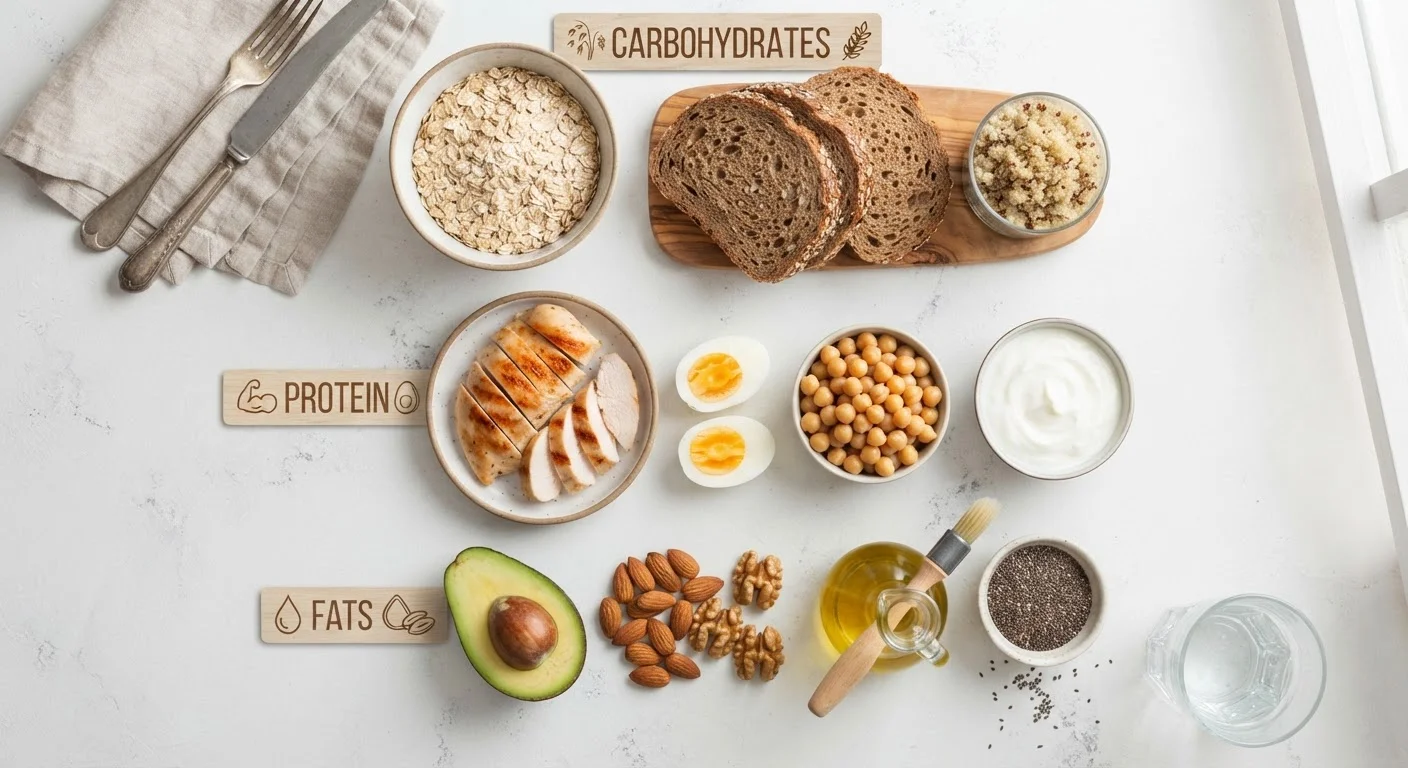
Photo: AscendWit.com | Explore Engaging Blogs. editorial
Key Takeaways
- Carbohydrates are your body's preferred and most efficient fuel source, especially for the brain and muscles.
- Protein supplies amino acids needed to build, repair, and maintain nearly every tissue in your body.
- Dietary fat supports hormone production, vitamin absorption, and long-term energy storage.
- No single macronutrient is inherently harmful - quality and overall dietary pattern matter far more than eliminating one group.
- Most people benefit from eating all three macronutrients at every meal rather than dramatically restricting any one.
Carbohydrates: Your Body's Preferred Fuel
Carbohydrates are the body's first-choice energy source. When you eat carbs - from bread, rice, fruit, beans, or vegetables - your digestive system breaks them down into glucose, a simple sugar that circulates in your blood and powers your cells. Your brain alone relies heavily on glucose, using roughly 20% of the body's total energy supply.
Not all carbohydrates behave the same way. Simple carbohydrates (found in table sugar and refined flour) are broken down quickly, causing a faster rise in blood sugar. Complex carbohydrates (whole grains, legumes, starchy vegetables) digest more slowly, providing steadier energy. Fiber, a type of carbohydrate the body cannot fully digest, feeds beneficial gut bacteria and supports digestive health.
The idea that carbohydrates are inherently fattening is one of the most persistent food myths around. Our nutrition myths explainer covers why that framing misrepresents the evidence. What matters most is the quality and overall dietary context of the carbohydrates you choose.
Choose Whole Food Carb Sources First
Protein: The Body's Builder and Repairer
Protein is made up of smaller units called amino acids. Your body uses these amino acids to build and repair muscle tissue, produce enzymes and hormones, support immune function, and maintain virtually every organ and structure in the body. Of the 20 amino acids the body works with, nine are considered essential - meaning your body cannot make them and you must get them from food.
Animal sources like meat, poultry, fish, eggs, and dairy are considered complete proteins because they contain all nine essential amino acids. Many plant sources - beans, lentils, tofu, quinoa - can also meet protein needs, though strategic food combining or variety across the day helps ensure you get the full amino acid profile.
0.8 g/kg
Minimum daily protein RDA for adults
The National Academies of Sciences, Engineering, and Medicine sets this as the minimum protein intake for sedentary adults; active individuals generally need more.
45-65%
Recommended share of calories from carbohydrates
The Dietary Guidelines for Americans recommend that carbohydrates account for 45-65% of total daily calorie intake for most adults.
20-35%
Recommended share of calories from fat
According to the Dietary Reference Intakes published by the National Academies, dietary fat should comprise 20-35% of total daily calories for adults.
Protein also plays a role in satiety: meals with adequate protein tend to keep people feeling full longer, which is one reason higher-protein eating patterns are studied in the context of weight management. For a broader look at how these nutrients work together at mealtime, see our guide on building a balanced plate.
Fat: More Than Just Stored Energy
Dietary fat has been unfairly maligned for decades, but research has consistently reframed it as an essential nutrient. Fat insulates organs, forms cell membranes, enables the absorption of fat-soluble vitamins (A, D, E, and K), and serves as the raw material for steroid hormones including estrogen and testosterone.
The type of fat matters considerably. Unsaturated fats - found in olive oil, avocados, nuts, and fatty fish - are associated with cardiovascular benefits in a large body of research. Saturated fats, common in red meat and full-fat dairy, are associated with less favorable outcomes when consumed in large amounts, though the science is more nuanced than a simple good-bad divide. Trans fats, largely removed from the US food supply following regulatory action, were consistently linked to harm.
Fat and Cholesterol: A Nuanced Relationship
Fat is the most calorie-dense macronutrient at 9 calories per gram, which is why portion awareness is sensible - but cutting fat too aggressively can impair vitamin absorption and leave people feeling unsatisfied after meals. Understanding how macros fit into the bigger picture is covered in depth in our comprehensive nutrition guide.
How the Three Work Together
In practice, macronutrients don't work in isolation - they interact constantly. Carbohydrates spare protein from being used as fuel, so adequate carb intake lets protein do its structural job. Fat slows digestion and helps moderate blood sugar spikes from carbohydrates. Protein supports muscle maintenance, which in turn influences how the body handles energy from carbs and fat.
This is why extreme elimination of any single macronutrient tends to create downstream effects across the others. A look at how exercise affects your body illustrates how physical activity further shifts how the body uses each macronutrient. Similarly, while macros are the big picture, vitamins and minerals - covered in our micronutrients reference guide - are essential co-factors that make macronutrient metabolism possible.
This article is for general informational and educational purposes only and does not constitute medical or dietary advice. Consult a qualified healthcare provider or registered dietitian before making significant changes to your diet, especially if you have an existing health condition.
Frequently Asked Questions
The content on this site is for informational purposes only and is not a substitute for professional advice. Always consult a qualified professional for guidance specific to your situation.