
Protein Sources Beyond Meat: What Plant Options Bring to the Table

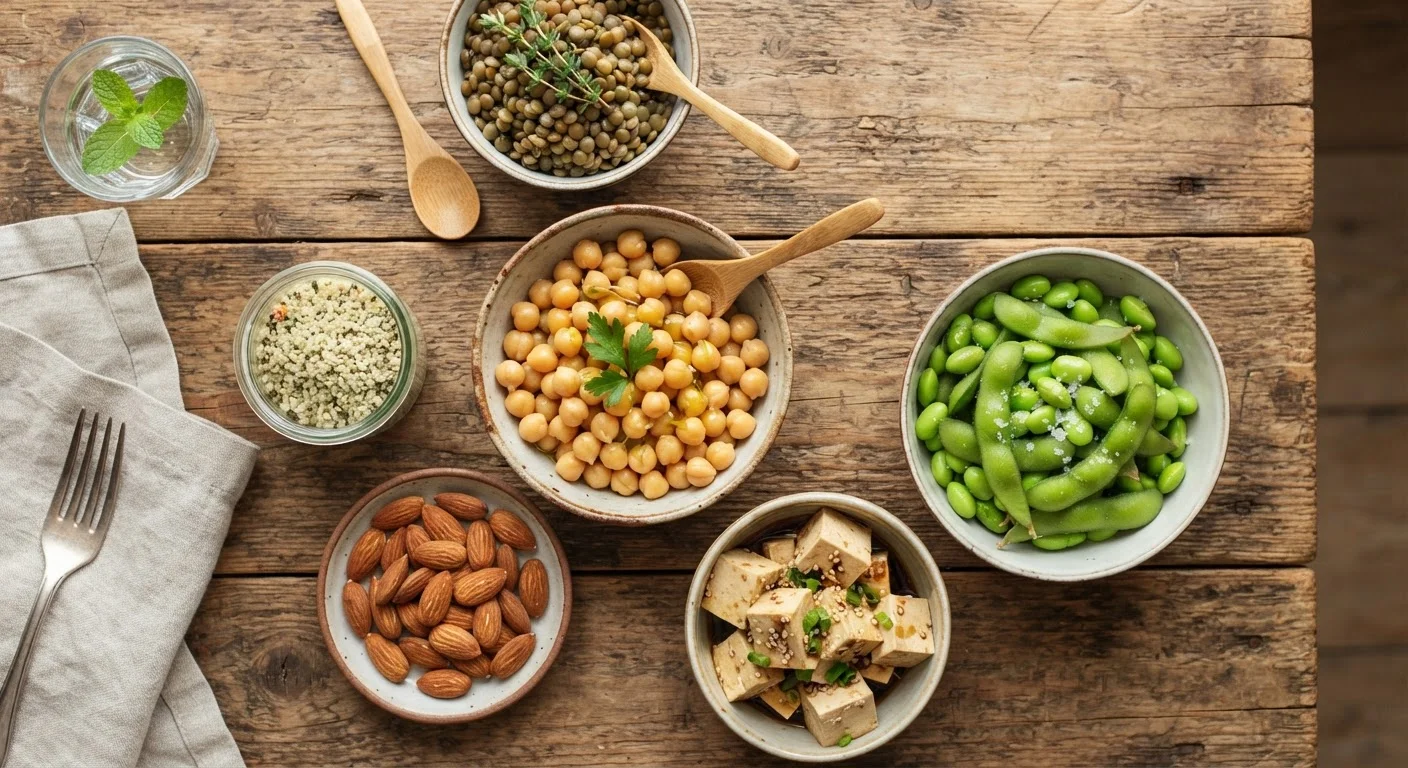
Photo: AscendWit.com | Explore Engaging Blogs. editorial
Key Takeaways
- Legumes, tofu, tempeh, and seeds are reliable protein sources that rival many animal-based options.
- Most plant proteins are 'incomplete,' but combining them throughout the day covers all essential amino acids.
- Plant proteins often deliver fiber, healthy fats, and micronutrients that meat-based sources do not.
- Tempeh and edamame are among the highest-quality plant proteins, with a complete amino acid profile.
- Variety - not perfection at every meal - is the practical goal for plant-based protein adequacy.
Why Plant Protein Deserves a Closer Look
For most Americans, protein is synonymous with chicken, beef, or eggs. Yet a growing body of nutrition research - backed by organizations such as the Academy of Nutrition and Dietetics - confirms that well-planned plant-based eating patterns can meet protein needs across all life stages. Understanding what plant proteins offer, and where they differ from animal proteins, helps you build meals that genuinely work for your body and your budget.
The key distinction is amino acid completeness. Proteins are built from 20 amino acids, nine of which the body cannot manufacture and must obtain from food (called essential amino acids). Most animal proteins supply all nine in sufficient quantities and are described as complete. Most plant proteins are lower in one or more essential amino acids - but this is easily addressed by eating a variety of plant foods over the course of a day, not necessarily at every single meal. For a broader look at how protein fits into overall nutrition, see our comprehensive nutrition guide.
Combining Plant Proteins Over the Day
Top Plant Protein Sources and What Makes Each Valuable
Lentils
Lentils deliver roughly 18 grams of protein per cooked cup, along with substantial fiber, folate, and iron. They're low in fat, cook in under 30 minutes without soaking, and absorb flavors from spices and broth well. Lentils are low in the essential amino acid methionine, so pairing them with grains like rice or farro rounds out the profile nicely.
One cup of cooked lentils provides around 18 grams of protein with virtually no saturated fat.
Chickpeas and Other Legumes
Chickpeas, black beans, kidney beans, and pinto beans each offer 14-17 grams of protein per cooked cup. Beyond protein, legumes provide resistant starch that feeds beneficial gut bacteria and helps regulate blood sugar response. Canned varieties are nutritionally comparable to dried and dramatically reduce prep time, making them one of the most practical plant protein choices available.
Legumes combine protein, fiber, and gut-friendly resistant starch in a single, budget-friendly package.
Tofu
Made from coagulated soy milk, tofu contains about 10 grams of protein per half-cup serving and is considered a complete protein - it supplies all nine essential amino acids. Firm and extra-firm varieties hold up well to baking, stir-frying, and grilling. Tofu is also a meaningful source of calcium (especially when made with calcium sulfate) and manganese. Its mild flavor makes it highly adaptable to both savory and sweet preparations.
Tofu is one of the few plant foods that qualifies as a complete protein, covering all essential amino acids.
Tempeh
Tempeh is made by fermenting whole soybeans into a dense, firm cake. Per half-cup, it delivers approximately 15-16 grams of complete protein - more than tofu - and the fermentation process may enhance mineral absorption and digestibility. It also retains all the fiber from whole soybeans, unlike tofu. Tempeh has a nuttier, earthier flavor that works particularly well sliced thin and pan-seared.
Fermentation gives tempeh higher protein density than tofu and may improve how well the body absorbs its nutrients.
Edamame
Edamame - young, whole soybeans - offers about 17 grams of complete protein per cooked cup alongside vitamins K and C, folate, and fiber. Available fresh or frozen, edamame requires minimal preparation and works as a snack, salad topping, or grain bowl addition. Because it is a whole soy food, it retains the full nutrient matrix of the bean rather than an isolated fraction.
Edamame is a complete protein you can prep in five minutes from frozen - an easy, nutrient-dense snack.
Hemp, Chia, and Pumpkin Seeds
Seeds are calorie-dense but protein-rich. Hemp seeds supply about 10 grams of complete protein per 3-tablespoon serving, plus omega-3 fatty acids. Chia seeds offer around 5 grams of protein per two tablespoons along with calcium and alpha-linolenic acid (an omega-3). Pumpkin seeds (pepitas) contain roughly 9 grams per ounce and are one of the better plant sources of zinc, a mineral that supports immune function. All three are easy to add to smoothies, oatmeal, or salads.
Hemp seeds are a complete protein and one of the few plant foods to deliver a meaningful dose of omega-3 fats simultaneously.
A Note on Protein Needs and Special Populations
Putting It All Together
Incorporating plant proteins doesn't require overhauling your diet overnight. Start by swapping one or two meals per week - lentil soup in place of a meat-based stew, or edamame as a snack instead of processed options. Pay attention to how you pair foods: rice and beans, hummus on whole-grain bread, or tofu stir-fry with quinoa all create complementary amino acid profiles naturally.
Plant proteins also tend to be among the most affordable items in the grocery store, making them a practical tool for eating well on a budget. And when you're thinking about how much protein to place on your plate relative to other food groups, building a balanced plate offers useful frameworks without requiring calorie counting.
This article is for general informational and educational purposes only and is not a substitute for professional medical or dietary advice. Consult a registered dietitian or qualified healthcare provider for guidance tailored to your individual health needs.
The content on this site is for informational purposes only and is not a substitute for professional advice. Always consult a qualified professional for guidance specific to your situation.