
Nutrition Traps Hidden in Everyday Food Choices

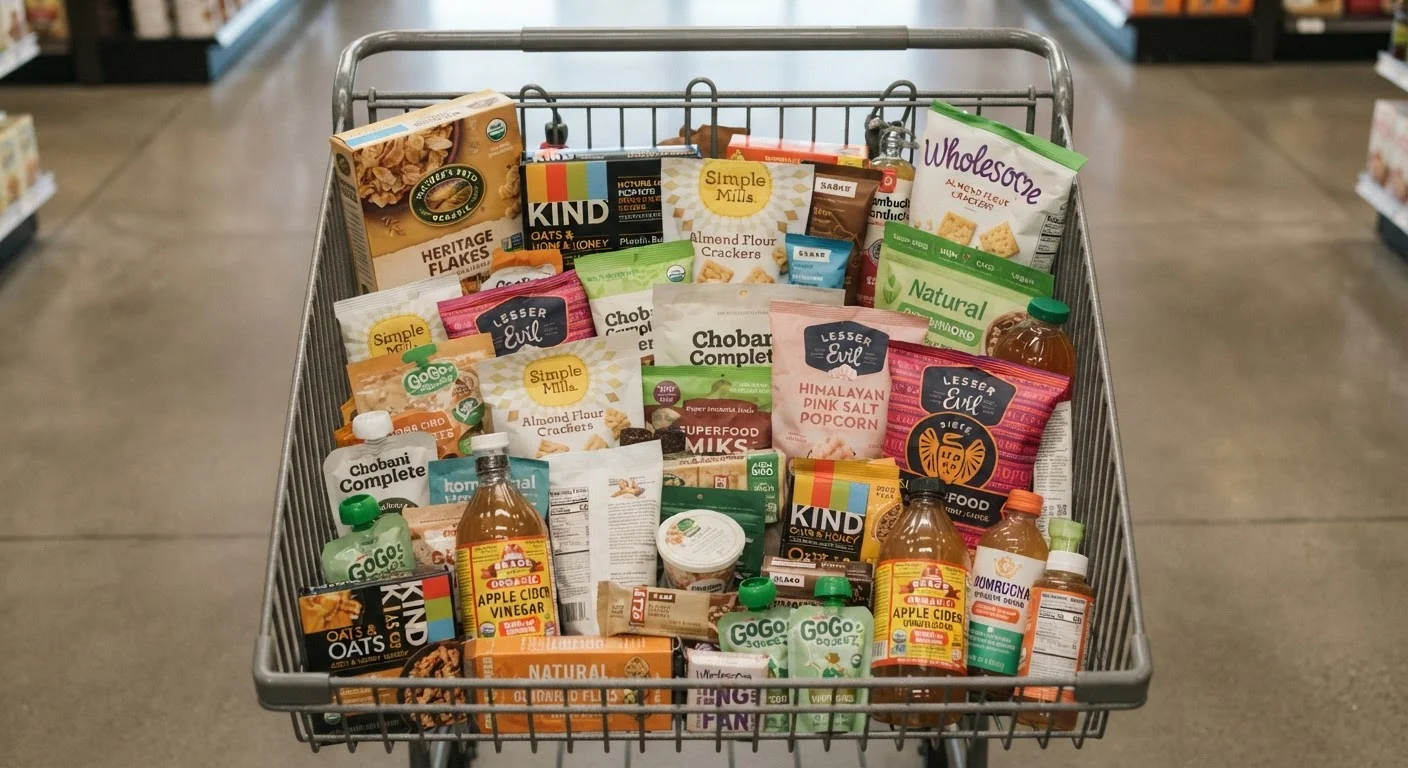
Photo: AscendWit.com | Explore Engaging Blogs. editorial
Key Takeaways
- Health halo labels like 'natural' or 'organic' don't guarantee a food is nutritionally sound.
- Portion distortion - underestimating how much we eat - is one of the most common and invisible nutrition errors.
- Liquid calories from juices, smoothies, and flavored drinks add up faster than most people realize.
- Reading the Nutrition Facts panel, not just front-of-package claims, is essential for accurate food assessment.
Why Everyday Food Choices Go Sideways
Most people aren't making nutrition errors out of carelessness - they're navigating a food environment specifically designed to make certain choices feel obvious and virtuous. Packaging language, portion norms, and product reformulation all shape what we reach for, often before we've had a chance to think critically. Understanding the most common traps is the first step toward sidestepping them.
This article draws on established nutrition research and public health guidance to identify patterns - not to shame any particular eating habit, but to give readers a clearer picture of what's actually happening. For a broader foundation, our comprehensive guide to nutrition basics covers the concepts that put these traps in context.
This Is General Information, Not Medical Advice
The Most Common Nutrition Traps - and How to Avoid Them
The mistakes below are documented repeatedly in nutrition research and consumer behavior studies. Each one is easy to fall into precisely because it mimics a reasonable decision. Recognizing the pattern is most of the fix.
Trusting the 'health halo' on food packaging without checking the label.
Underestimating portion sizes - a pattern researchers call 'portion distortion.'
Overlooking liquid calories from juices, smoothies, and flavored drinks.
Confusing 'low-fat' with 'low-calorie' or 'healthier overall.'
Treating refined grains as nutritionally equivalent to whole grains.
Ignoring added sugar hidden in savory and 'health' foods.
77%
Americans trying to eat healthily
According to the International Food Information Council's Food & Health Survey, a large majority of Americans report actively trying to eat healthily - yet report ongoing confusion about what that means in practice.
17 tsp
Average daily added sugar intake, US adults
The CDC has reported that US adults consume roughly 17 teaspoons of added sugar per day on average, well above the American Heart Association's general guidance of no more than 6-9 teaspoons.
95%
Americans falling short on dietary fiber
Research published in the American Journal of Lifestyle Medicine estimated that approximately 95% of Americans do not meet recommended daily fiber intake targets.
Putting It Into Practice
No single food choice makes or breaks a diet - the patterns matter more than individual meals. The traps described here share a common thread: they exploit shortcuts the brain uses to judge food quality quickly. Slowing down at the label, questioning packaging language, and recalibrating portion expectations are low-effort habits that compound meaningfully over time.
If cost is a constraint, many of these habits translate directly to better value, not just better nutrition. Practical strategies for eating well on a budget addresses how to apply sound choices without overspending. And if fiber keeps coming up as a gap in your diet - as it does for most Americans - why fiber matters and where to find it is a useful companion read.
This article is for general informational and educational purposes only and is not a substitute for professional medical or dietary advice. Consult a qualified healthcare provider or registered dietitian for guidance specific to your health needs.
The content on this site is for informational purposes only and is not a substitute for professional advice. Always consult a qualified professional for guidance specific to your situation.