
Household Budgeting: The Complete Framework

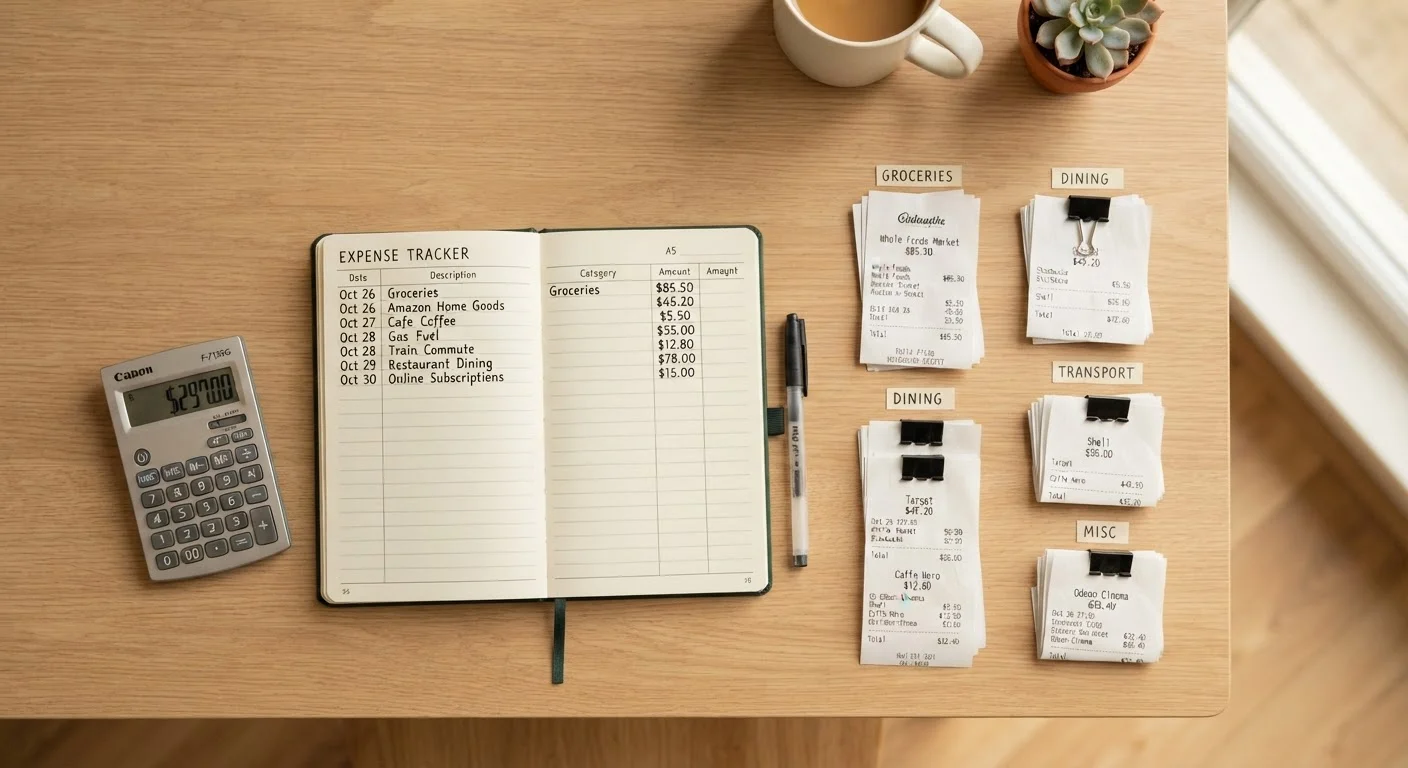
Photo: AscendWit.com | Explore Engaging Blogs. editorial
Key Takeaways
- Start with your actual take-home income, not your gross salary, to build a realistic budget.
- Tracking spending for 30 days before budgeting reveals where money actually goes.
- Popular frameworks like the 50/30/20 rule give beginners a practical starting structure.
- Savings and debt payments work best when treated as non-negotiable monthly expenses.
- A budget is a living document - review it whenever your income or expenses change significantly.
Why Every Household Needs a Budget
A household budget is simply a plan for how you'll use the money coming in each month. Without one, spending decisions happen by default rather than by design - and it's easy to reach the end of the month wondering where the money went.
Budgeting doesn't require complicated software or a finance degree. It requires honest numbers and a repeatable process. Before diving into the steps, make sure you're familiar with the core vocabulary. Our plain-language budgeting glossary explains terms like net income, discretionary spending, and fixed expenses so nothing in this guide trips you up.
~33%
US adults with a detailed household budget
Gallup surveys consistently find that fewer than one in three American adults maintain a detailed monthly budget.
$1,000
Common emergency fund starting target
Many personal finance educators recommend a $1,000 starter emergency fund as the first savings milestone before tackling debt.
3-6 months
Income averaging period for variable earners
Financial planners generally suggest freelancers and gig workers average three to six months of income to set a stable budget baseline.
Step 1: Calculate Your True Take-Home Income
Your take-home income - also called net income - is what actually lands in your bank account after taxes, Social Security contributions, and any employer benefit deductions. This is the only number that matters for budgeting; your gross (pre-tax) salary is irrelevant to what you can spend.
If your income varies month to month - because you're self-employed, work hourly shifts, or have irregular contract work - use a conservative estimate. Average your last three to six months of deposits and use the lower end as your planning figure. It's far better to budget from a lower baseline and be pleasantly surprised than to overshoot and fall short.
Use Net Income, Not Gross
Step 2: Track and Categorize Your Spending
Before you allocate a single dollar, spend at least one full month recording every purchase. Bank statements and credit card apps make this easier than it sounds. Sort each expense into one of three buckets:
- Fixed needs: Rent or mortgage, utilities, insurance, minimum debt payments - costs that stay roughly the same each month.
- Variable needs: Groceries, gas, prescriptions - necessary but fluctuating amounts.
- Discretionary wants: Dining out, subscriptions, entertainment, clothing beyond basics.
Most households are surprised by how much discretionary spending accumulates in small, frequent purchases. This exercise creates the honest baseline your budget must reflect.
Don't try to overhaul your spending in month one. Identify the single largest discretionary leak and address that first - small wins build the habit.
Label each budget category with a dollar amount AND a percentage of take-home income. Percentages make it immediately obvious when one category is crowding out others.
Step 3: Choose a Budgeting Method
Several proven frameworks can structure your budget. The right one depends on how detailed you want to get.
The 50/30/20 Rule
Allocate roughly 50% of take-home income to needs, 30% to wants, and 20% to savings and debt repayment. It's a flexible starting point - not a rigid law. If you live in a high-cost area, your needs percentage will be higher, requiring cuts elsewhere.
Zero-Based Budgeting
Every dollar is assigned a purpose until the difference between income and outgo equals zero. Nothing is left unallocated. This method requires more effort upfront but gives maximum visibility and control.
Envelope Budgeting
Originally a cash system, this approach assigns a set dollar amount to each spending category. When the envelope is empty, spending in that category stops for the month. Many budgeting apps replicate this digitally.
Start Simple, Then Add Detail
Step 4: Build in Savings and Debt Payoff
Savings and debt payments are most effective when they're treated as fixed expenses - scheduled at the start of the month, not funded with whatever's left over. This is sometimes called paying yourself first.
At a minimum, aim to build a small emergency fund before aggressively paying down debt. Even a modest cash cushion prevents you from taking on new debt every time an unexpected expense arises. For a deeper look at balancing saving and debt reduction, see our guide on savings and debt basics for beginners.
For ongoing strategies, the Saving & Debt hub covers everything from high-yield savings concepts to debt payoff approaches.
This article is for general informational purposes only and does not constitute personalized financial advice. Consult a licensed financial professional for guidance specific to your situation.
Step 5: Review and Adjust Regularly
A budget written once and never revisited quickly becomes obsolete. Life changes - a raise, a new baby, a move, a medical bill - all shift your numbers. Set a monthly check-in of 15-20 minutes to compare what you planned to what actually happened.
Ask three questions each review: Did I stay within each category? Were there one-time expenses I need to plan for next month? Has my income changed? Small, consistent adjustments keep the budget realistic and prevent the frustration of feeling like it "doesn't work."
Don't Skip the 'Irregular' Expenses
Budgeting is a skill that improves with repetition. The households that benefit most aren't those with perfect discipline - they're the ones who keep returning to the process, even after an off month.
The content on this site is for informational purposes only and is not a substitute for professional advice. Always consult a qualified professional for guidance specific to your situation.