
Skincare Across Skin Tones: What Inclusive Beauty Advice Should Actually Cover

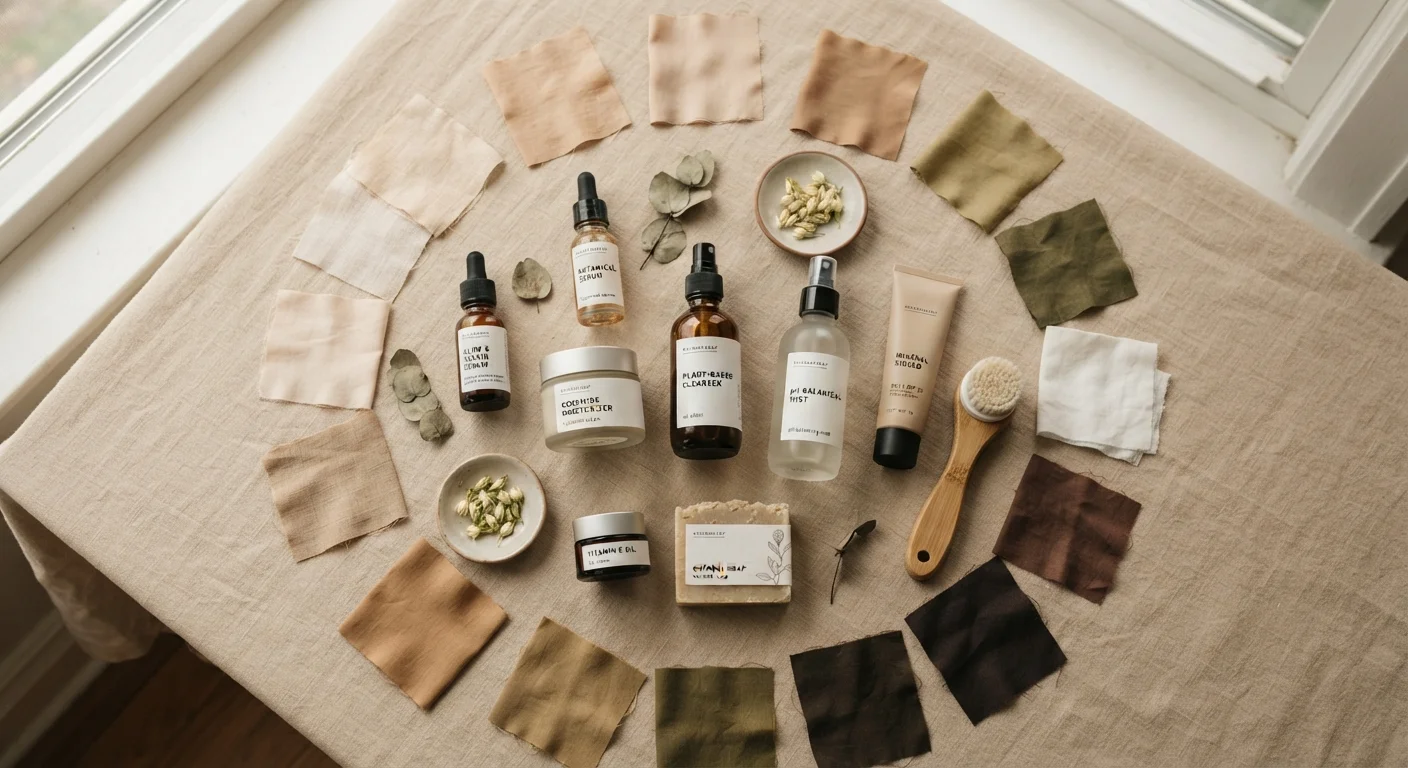
Photo: AscendWit.com | Explore Engaging Blogs. editorial
Key Takeaways
- Hyperpigmentation is more persistent and visible on deeper skin tones and requires targeted, consistent treatment.
- Darker skin tones still sustain UV damage even though sunburn is less visible - daily SPF applies to everyone.
- Chemical sunscreens and mineral formulas differ in how they appear on skin; this is a legitimate concern, not vanity.
- Fragrance and alcohol-based products can trigger post-inflammatory hyperpigmentation in skin prone to it.
- General skincare advice is often written with lighter skin tones as the default - identifying that gap helps you fill it.
Why Generic Skincare Advice Often Falls Short
Most mainstream skincare guidance is built around a fairly narrow template: light to medium skin tones, visible redness as the primary indicator of irritation, and concerns like sunburn as the main UV risk. For the millions of people whose skin falls outside that template, this advice ranges from incomplete to actively misleading.
This isn't about excluding lighter skin tones from the conversation - it's about expanding the frame. Skin biology does differ meaningfully across the melanin spectrum, and pretending otherwise leads to routines that don't perform and products that cause more harm than help. Understanding the difference between skin type and skin concern is a useful starting point, but it doesn't go far enough if tone-specific needs aren't also factored in.
Redness Isn't the Only Sign of Irritation
Hyperpigmentation: The Concern Most Routines Don't Address Well
Post-inflammatory hyperpigmentation (PIH) - the dark spots left behind after acne, a rash, or even a small cut - is one of the most common and undertreated skin concerns among people with medium to deep skin tones. It occurs when inflammation triggers the skin's melanin-producing cells to go into overdrive, depositing extra pigment as the skin heals.
For lighter skin tones, this might resolve in a few weeks. For deeper tones, the same spot can linger for months or longer. That timeline difference changes what a useful routine should prioritize: consistent use of ingredients like niacinamide, azelaic acid, or vitamin C for brightening, and a non-negotiable commitment to sun protection to prevent existing spots from darkening further.
It also means that anything that creates unnecessary inflammation - overly aggressive exfoliation, high-fragrance products, or active ingredients introduced too quickly - carries a higher risk of backfiring. Fragrance in skincare is worth understanding for exactly this reason: scented products are a frequent, underappreciated trigger for reactive skin.
Start Low, Go Slow With Actives
Sun Protection Is Not a Light-Skin Issue
One of the most persistent and harmful myths in skincare is that people with darker skin tones don't need sunscreen. Melanin does provide some natural UV protection - deeper skin tones have a higher natural SPF equivalent - but it does not block UV radiation entirely, and it does not prevent all UV-related damage.
What changes is how that damage shows up. On darker skin, chronic sun exposure tends to present as hyperpigmentation, uneven tone, and premature texture changes rather than obvious sunburn. Because the damage is less dramatic-looking in the short term, it's easier to dismiss - and that's where the harm compounds over years.
Fitzpatrick I-VI
Skin tone scale used in dermatology research
The Fitzpatrick scale, developed in 1975, is commonly used in dermatology to classify skin types by melanin content and UV response; much early skincare research focused on the lower end of this scale.
~40%
Adults reporting hyperpigmentation as a primary skin concern
Surveys conducted across dermatology practices consistently place hyperpigmentation among the top concerns for patients with medium to deep skin tones, according to published dermatology literature.
A related practical barrier is formula choice. Classic mineral sunscreens (zinc oxide, titanium dioxide) can leave a chalky white or ashy residue on deeper skin tones, making daily use feel impractical. Tinted mineral formulas and chemical sunscreens largely resolve this. The goal is finding a formula you'll actually wear every day. For more on the evidence behind daily SPF, see why dermatologists keep recommending sunscreen.
Building a Routine That Works for Your Skin, Not Someone Else's
The goal isn't a separate set of products for different skin tones - it's smarter, more informed choices within the same general framework. A solid routine for any skin tone still comes down to consistent cleansing, moisturizing, and sun protection. What shifts is which active ingredients deserve priority, which formulas to watch out for, and how aggressively to introduce new products.
For skin prone to PIH, patience is a feature, not a flaw. Introducing one new active at a time, starting at lower concentrations, and giving the skin time to adjust before layering on more is a genuinely effective strategy - not excessive caution. What a skincare routine actually needs is a useful sanity check for anyone feeling overwhelmed by the options.
Seasonal changes also interact with skin tone concerns. Drier winter air can compromise the skin barrier, making irritation and pigmentation flare-ups more likely. Adjusting your routine as the climate changes covers how to think about those shifts practically.
This article is for general informational purposes only and does not constitute medical or dermatological advice. Consult a qualified dermatologist for guidance specific to your skin's needs.
Frequently Asked Questions
The content on this site is for informational purposes only and is not a substitute for professional advice. Always consult a qualified professional for guidance specific to your situation.