
What Reaction Time Actually Means at Highway Speeds

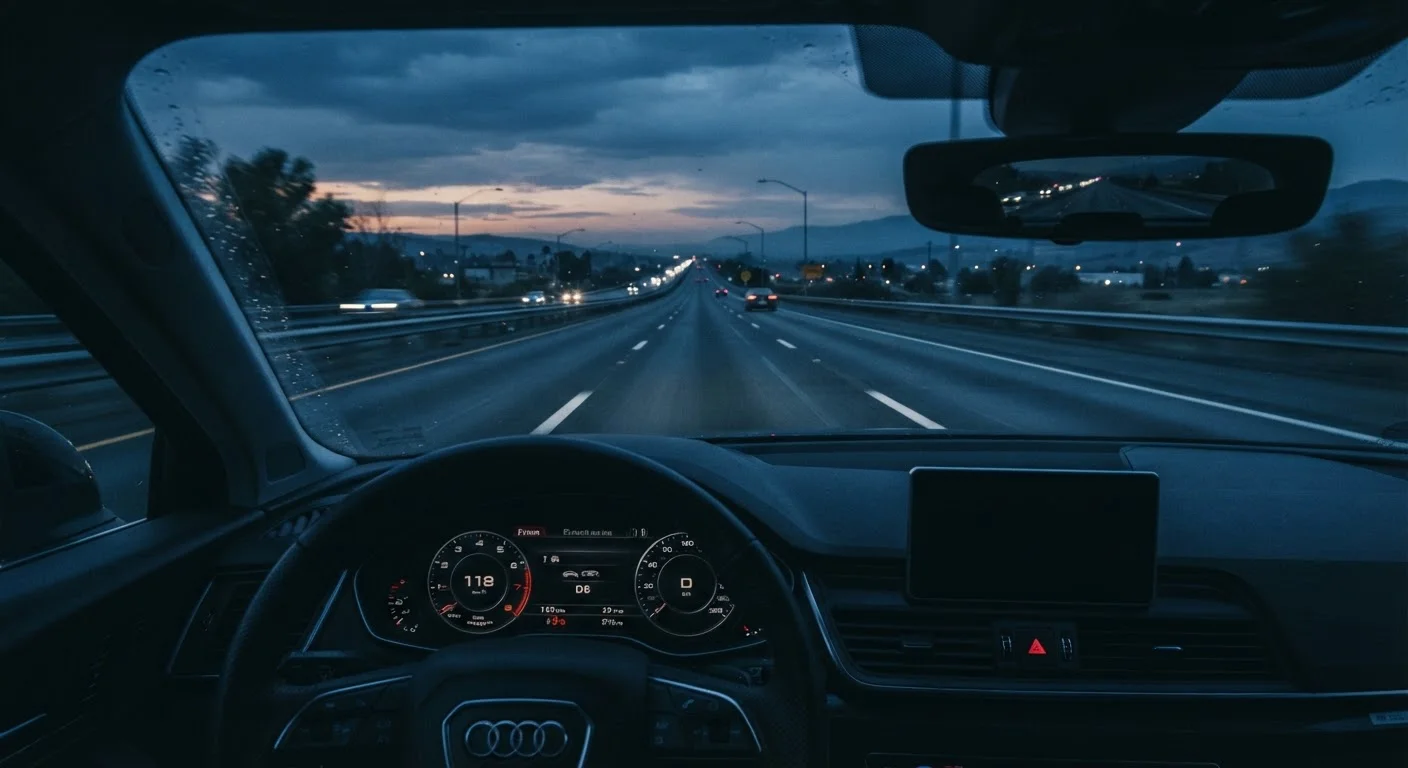
Photo: AscendWit.com | Explore Engaging Blogs. editorial
Key Takeaways
- At 65 mph, one second of reaction time means roughly 95 feet of unchecked travel before braking begins.
- Fatigue, distraction, and alcohol are the three factors most reliably shown to lengthen reaction time.
- Total stopping distance combines reaction distance and braking distance - speed multiplies both.
- Maintaining adequate following distance is the most practical buffer for reaction time limitations.
- No driver reacts instantly; building awareness of this helps you make smarter spacing decisions.
The Math Behind a One-Second Delay
Speed converts time into distance faster than intuition suggests. At 65 mph, a vehicle travels roughly 95 feet every single second - that's about the length of nine standard parking spaces. During the time it takes a driver to notice a hazard, decide to brake, and move their foot to the pedal, the car has already covered that ground with no deceleration at all.
This is reaction distance - the gap your vehicle closes before braking even begins. It sits on top of braking distance, which is the additional space required to actually slow and stop. Together they form total stopping distance, and at highway speeds that total can easily exceed the length of a football field.
Following distance is the practical tool that accounts for both numbers. The widely cited two-second rule is built around reaction time - it gives an average alert driver a cushion to perceive, decide, and act before reaching where a lead vehicle was. Posted speed limits don't adjust for your following gap, your fatigue level, or the road surface - that judgment belongs to the driver.
~95 ft
Distance traveled per second at 65 mph
Based on straightforward speed-to-distance conversion; illustrates why one reaction second is so significant at highway speeds.
0.75-1.5 sec
Typical alert driver reaction time
Range cited in traffic safety and driver education literature for an unimpaired, attentive driver under normal conditions.
300+ ft
Estimated total stopping distance at 65 mph
Combines average reaction distance and braking distance on dry pavement; wet or worn surfaces extend this further.
What Slows Reaction Time Down
Reaction time is not fixed. Several common, everyday conditions push it in the wrong direction:
- Fatigue: Sleep deprivation affects processing speed in ways comparable to alcohol impairment. Even moderate tiredness - being awake for 18 consecutive hours - has been shown in research to degrade driving-relevant reaction times measurably.
- Distraction: A glance at a phone lasting just two seconds means traveling over 175 feet blind at 60 mph. Cognitive distraction from hands-free calls also slows hazard response, even when eyes remain on the road.
- Alcohol and drugs: These impair the brain's ability to process and respond. Legal limits for blood alcohol are set at levels where reaction time degradation is measurable, but impairment begins below those thresholds.
- Age: Reaction speed tends to slow gradually with age. Experienced drivers often offset this through better hazard anticipation - scanning further ahead and giving themselves more margin.
- Unfamiliar roads or conditions: When a driver doesn't know what to expect, hazards appear with less warning time, compressing the window available to react.
Scan Further Ahead Than You Think You Need To
Understanding that these factors are cumulative matters. A tired driver using a phone on an unfamiliar road at night is not facing one elevated risk - they are facing several stacked together. Night driving compounds the problem further by limiting how far ahead hazards can be seen.
Building Habits That Compensate
You cannot shorten your hardest-wired reaction time through willpower alone. What you can do is manage the conditions that make reaction time matter less.
Increasing following distance is the most direct adjustment. At highway speeds, a three- or four-second gap over the two-second baseline gives reaction time more room to play out before you're in contact range. Scanning ahead - looking 10 to 15 seconds down the road rather than focusing on the car directly in front - lets you identify hazards earlier, turning a reaction into an anticipation.
Eliminating in-vehicle distractions has a compounding benefit: it keeps your perception sharp, which is the first step in the reaction sequence. A driver who never notices a brake light has a reaction time of infinity for that event.
Rest, sobriety, and knowing your route all preserve the baseline. They don't give you superhuman reflexes - they keep you operating at your actual capability rather than a diminished version of it. The goal isn't to react faster. It's to need to react less often.
Reaction Time Is Part of a Bigger System
Frequently Asked Questions
The content on this site is for informational purposes only and is not a substitute for professional advice. Always consult a qualified professional for guidance specific to your situation.