
Driving in Bad Weather: Rain, Ice, Fog, and Snow Compared

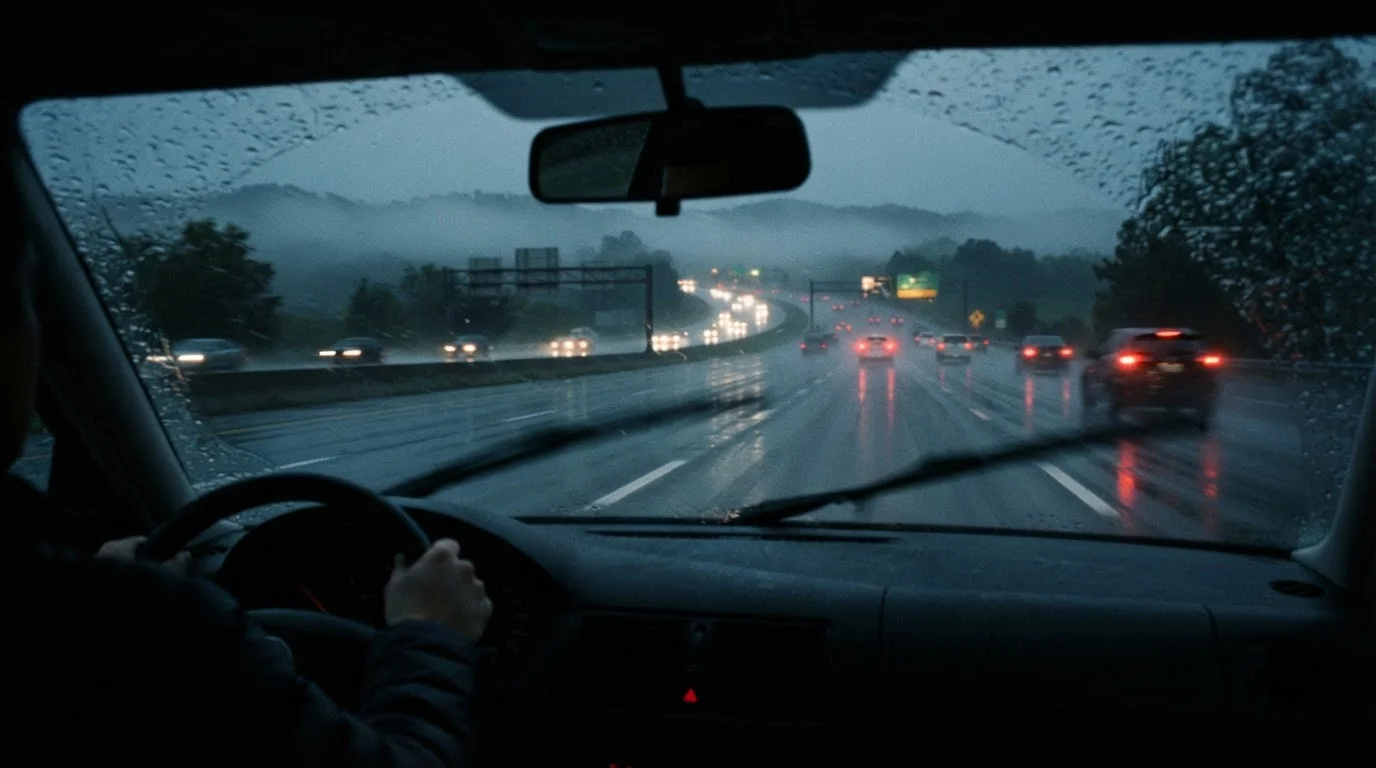
Photo: AscendWit.com | Explore Engaging Blogs. editorial
Key Takeaways
- Each weather condition creates distinct hazards - rain reduces traction, ice is nearly frictionless, fog collapses visibility, and snow demands both.
- Slowing down is the single most effective adjustment across all four conditions.
- Fog requires low-beam headlights; high beams reflect off moisture and make visibility worse.
- Black ice is often invisible - treat any freezing-temperature pavement as potentially slippery.
- Increasing following distance is critical in every bad-weather scenario, not just snow and ice.
Why Weather Conditions Aren't Interchangeable
Many drivers treat bad weather as one undifferentiated hazard - slow down, be careful, carry on. But rain, ice, fog, and snow each reduce your safety margin in different ways, and the right response to one condition can be the wrong response to another. Understanding what each condition actually does to your car and your visibility is the starting point for handling them well.
This guide is part of a broader effort to build safer habits at every experience level. For a comprehensive foundation, see our complete safe driving reference.
| Rain | Ice | Fog | Snow | |
|---|---|---|---|---|
| Primary hazard | Reduced traction, hydroplaning | Near-zero friction, sliding | Severely reduced visibility | Both traction loss and low visibility |
| Stopping distance impact | Up to 2x longer | Up to 10x longer | No direct impact on stopping | 3-5x longer depending on depth |
| Recommended speed reduction | 5-10 mph below limit | Drastically reduced; go only as fast as conditions allow | Slow to match visible stopping distance | Significantly reduced; adjust continuously |
| Visibility impact | Moderate reduction | Minimal (unless blizzard) | Severe; can drop below 100 ft | Moderate to severe in heavy snow |
| Key headlight adjustment | Use headlights on | Use headlights on | Low beams only, no high beams | Low beams; clear all lights of snow |
| Following distance | 4-5 seconds minimum | 8-10 seconds minimum | Match to visible distance | 6-8 seconds minimum |
| Biggest driver error | Overconfidence in familiar rain | Underestimating black ice | Driving too fast for visibility | Failing to clear vehicle fully |
Driving in Rain: Traction Loss and Hydroplaning
Rain is the most common bad-weather condition most drivers face, which makes overconfidence a real risk. Wet pavement can reduce tire friction by roughly 30 to 40 percent compared to dry roads, and the danger increases sharply in the first 10 to 20 minutes of rainfall, when oil and dust mix with water on the road surface before being washed away.
Hydroplaning - when a layer of water builds between your tires and the road, causing loss of steering control - typically starts around 35 mph on wet roads, though it can occur at lower speeds with worn tires. Signs include a sudden lightness in the steering wheel. If it happens, ease off the accelerator gradually and steer gently in the direction you want to go. Do not brake hard.
Key rain adjustments: reduce speed by at least 5-10 mph below the posted limit, increase your following distance to at least 4-5 seconds, and ensure your windshield wipers are in good working order. Seasonal vehicle preparation - including checking wiper blades and tire tread - reduces your risk before the rain even starts.
Check Tire Tread Before Wet-Weather Driving
Driving on Ice: The Narrowest Margin for Error
Ice offers dramatically less friction than any other common road condition. Stopping distances on ice can be up to ten times longer than on dry pavement at the same speed. Black ice - a thin, nearly transparent glaze - is particularly dangerous because it looks like a wet road surface and gives no visual warning.
Watch for black ice on bridges, overpasses, and shaded sections of road, which freeze before open pavement does. Any time air temperatures are near or below freezing and roads appear wet, treat every surface as potentially icy.
If your car begins to slide on ice: stay calm, ease off the gas, and steer gently in the direction you want the front of the car to go. Avoid sudden braking, which can worsen a slide. On vehicles with ABS (anti-lock braking system), apply steady, firm brake pressure and let the system do its job - do not pump the brakes. Drivers who make dangerous assumptions about familiar roads are especially at risk when ice is present.
Driving in Fog: When Visibility Collapses
Fog is deceptive. Research from traffic safety agencies consistently shows that drivers in fog travel faster than conditions safely allow, because the sense of enclosure can distort speed perception. Dense fog can reduce visibility to less than 100 feet - far less stopping distance than most drivers leave at highway speeds.
The essential fog rule: use your low-beam headlights, not high beams. High beams reflect off fog droplets and create a bright wall of glare that reduces your visibility further. If your vehicle has dedicated fog lights, use them as designed.
Drive slowly enough that you can stop within the distance you can actually see. If fog is severe, pull completely off the road, turn off your driving lights (so other drivers don't follow your tail lights into a stopped vehicle), and activate your hazard flashers. The adjustments that help with fog overlap significantly with night driving habits, where visibility is similarly reduced.
Driving in Snow: Combining Traction and Visibility Challenges
Snow combines the traction problems of ice with the visibility challenges of fog - particularly in heavy snowfall or blowing snow conditions. Accumulating snow on the road reduces friction, and packed or compacted snow can approach ice-level slipperiness.
Before driving in snow, clear all snow and ice from your vehicle - not just the windshield, but the roof, hood, and rear window. Snow that slides off your roof onto your windshield while driving is a sudden visibility hazard. Uncleared roof snow that blows onto the vehicle behind you can also create a hazard for others.
Drive at reduced speeds and use gradual inputs - gentle acceleration, smooth braking, slow steering. Allow significantly more following distance: a minimum of 6-8 seconds is a reasonable starting point in moderate snow. For drivers heading into a winter season, preparing your vehicle for weather changes - including checking tire condition and battery health - is one of the most practical steps you can take.
Never Use Cruise Control on Slippery Roads
The content on this site is for informational purposes only and is not a substitute for professional advice. Always consult a qualified professional for guidance specific to your situation.