
What an Auto Loan Actually Costs You Over Time

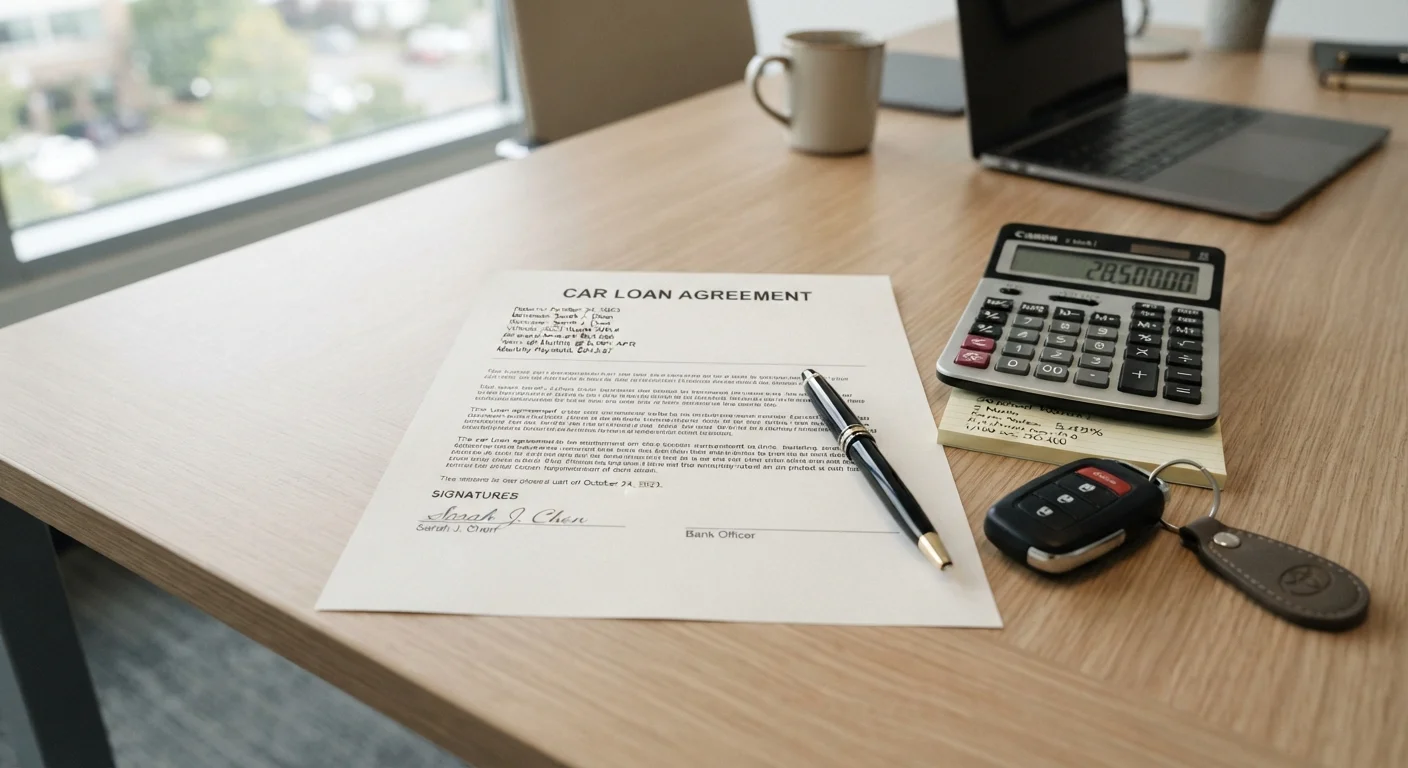
Photo: AscendWit.com | Explore Engaging Blogs. editorial
Key Takeaways
- The sticker price is only part of what you pay - interest adds up substantially over time.
- Longer loan terms lower monthly payments but increase total interest paid.
- A larger down payment reduces the amount you borrow and the interest you owe.
- Your credit score directly affects the interest rate a lender offers you.
- Comparing loan offers - not just monthly payments - is key to understanding real cost.
The Gap Between Purchase Price and What You Actually Pay
When most people budget for a car, they start with the sticker price. But if you're financing, that number is only your starting point. The real question is: how much will this vehicle cost you by the time the loan is paid off?
Auto loans work by charging interest on the amount you borrow - called the principal. That interest accumulates with every payment, meaning you pay back more than you originally received. The difference between the loan amount and the total you repay is called the cost of borrowing, and it can be substantial.
For example, a $25,000 loan at a 7% APR over 60 months results in roughly $4,900 in interest paid - bringing the true cost of that vehicle close to $30,000. Stretch that same loan to 72 months and the interest paid climbs even higher, despite the lower monthly payment feeling more manageable.
This is why understanding all costs tied to a vehicle matters before you ever sign a loan agreement.
~$4,900
Interest paid on a typical 60-month auto loan
Based on a $25,000 loan at approximately 7% APR over 60 months, illustrating how interest adds to the vehicle's true cost.
72 months
Average loan term length for new-vehicle buyers
Longer loan terms have become increasingly common, according to industry data from automotive finance analysts.
1-2%
Rate difference that can cost hundreds over the loan
Even a small change in APR has a meaningful impact on total interest paid across a multi-year auto loan.
How Loan Terms and Interest Rates Shape the Total
Two variables do most of the heavy lifting when it comes to total loan cost: the interest rate (APR) and the loan term (how many months you have to repay).
A lower APR means less interest accrues each month. Even a one or two percentage point difference can translate to hundreds of dollars saved over the life of the loan. Your APR is primarily driven by your credit score - borrowers with stronger credit histories typically qualify for lower rates.
Loan terms commonly range from 36 to 84 months. Shorter terms mean higher monthly payments but significantly less interest paid overall. Longer terms reduce the monthly burden but extend the period during which interest accumulates. This trade-off is similar in structure to other borrowing decisions - as explored in our look at how paying less each month costs more over time.
Run the Numbers Before You Negotiate
Down Payments and Their Ripple Effect
The size of your down payment directly affects your loan amount - and therefore the total interest you pay. A larger down payment means you borrow less, which reduces both your monthly payment and the cumulative interest over the loan's life.
There's a secondary benefit too: a meaningful down payment can reduce the risk of becoming "underwater" on your loan, meaning you owe more than the car is worth. Vehicles depreciate - often sharply in the first year or two - so starting with more equity built in provides a financial cushion.
Keep in mind that the down payment is just one piece of the cost picture. There are also ownership costs that many buyers don't anticipate, including taxes, registration fees, and insurance, which affect your overall budget from day one.
Reading a Loan Offer Clearly
When reviewing any auto loan offer, look beyond the monthly payment. The figures that matter most are the APR, loan term, total amount financed, and total amount repaid. Lenders are required to disclose these under federal truth-in-lending rules, so they should appear clearly in your loan documents.
Compare loan offers by their total repayment amount - not just the monthly number. A lower monthly payment from one lender might cost more overall if it comes with a longer term or higher rate. If you want to understand what drives borrowing costs more broadly, the mechanics parallel how fixed-rate loans behave differently from variable-rate products in other lending contexts.
Before you finalize any financing, consider having a trusted financial professional review the terms alongside your overall budget and goals.
This article is for general informational purposes only and does not constitute financial or legal advice. Consult a qualified financial professional before making decisions about borrowing or vehicle purchases.
Frequently Asked Questions
The content on this site is for informational purposes only and is not a substitute for professional advice. Always consult a qualified professional for guidance specific to your situation.