
The Hidden Costs That Catch Car Owners Off Guard

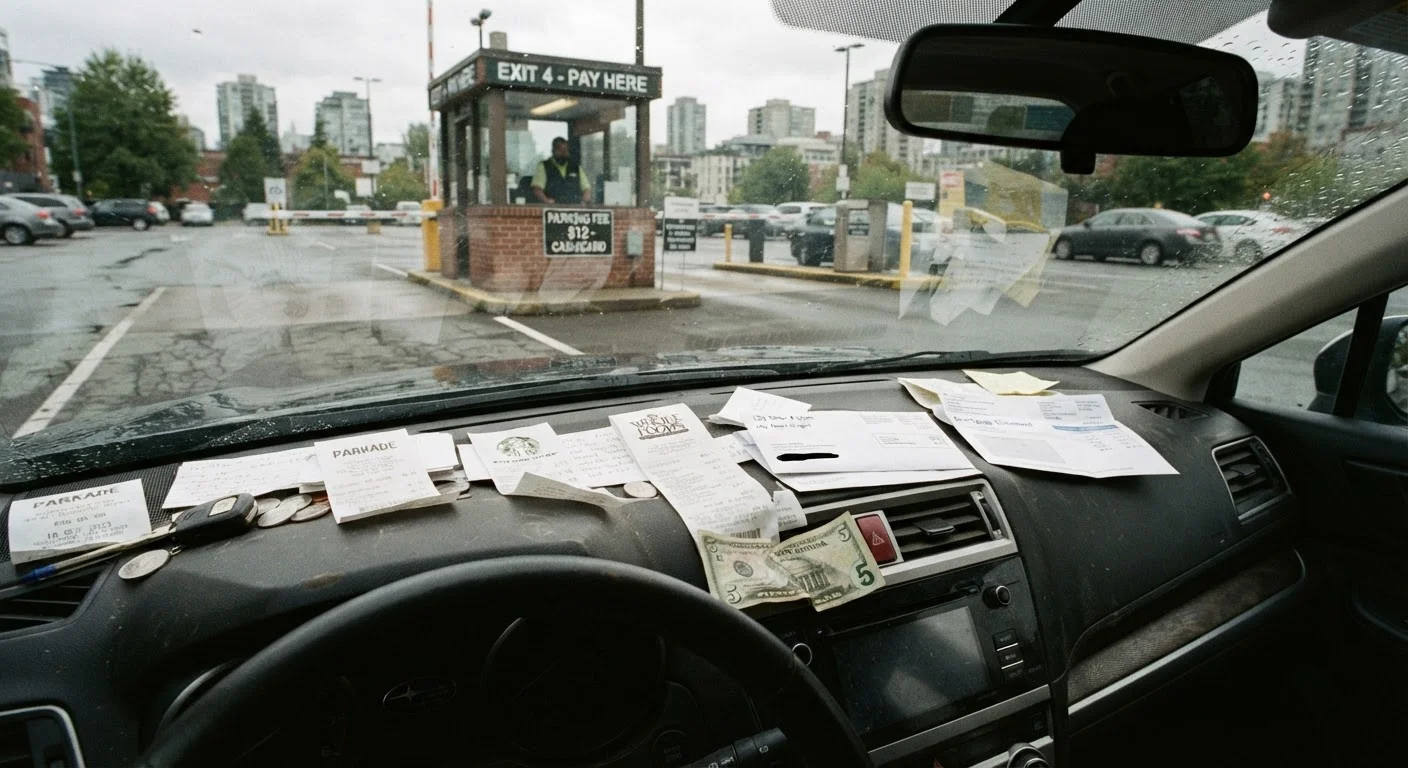
Photo: AscendWit.com | Explore Engaging Blogs. editorial
Key Takeaways
- Registration fees, emissions tests, and parking costs add up significantly each year.
- Unexpected repairs are one of the largest unbudgeted expenses car owners face.
- Depreciation quietly reduces a vehicle's value whether or not you're driving it.
- Building a dedicated car fund helps absorb surprise costs without financial stress.
- Insurance gaps can leave drivers paying out-of-pocket for damages they assumed were covered.
What the Sticker Price Doesn't Tell You
Most people calculate affordability based on a monthly car payment and stop there. But the full cost of owning a vehicle extends well beyond principal and interest. Registration fees, inspections, tolls, parking, unexpected repairs, depreciation, and insurance shortfalls all contribute to the real number - and together they can add thousands of dollars per year to the cost of a vehicle you thought you could comfortably afford.
If you're newer to vehicle ownership, our first-time car owner guide provides a broader introduction to what to expect from the start. For a comprehensive view of total ownership costs - including fuel and insurance - see the true cost of car ownership. The costs below are the ones that most commonly slip through the cracks.
Costs Vary by State and City
Six Costs That Catch Car Owners Off Guard
Registration fees and state taxes
Every state requires annual or biennial vehicle registration, and the fees vary widely. Some states base the cost on a vehicle's value or weight, which means a newer or heavier vehicle can carry a registration bill of several hundred dollars. On top of that, many states charge a personal property tax on vehicles that renews each year. These aren't one-time costs - they recur as long as you own the car.
Check your state's DMV website to understand the fee structure before purchasing, especially if you're moving from a low-fee state to a higher-fee one.
Registration costs can hit several hundred dollars annually depending on your state's fee structure.
Emissions and safety inspections
Roughly half of U.S. states require periodic vehicle emissions or safety inspections, and failing one can mean repair costs before your car can legally be driven. The inspection fee itself is usually modest, but if your vehicle has an issue - a faulty oxygen sensor, worn brakes, or a malfunctioning catalytic converter - the required repairs can run into the hundreds. Many owners don't budget for this because inspections happen annually or biennially and are easy to forget until the notice arrives.
Failing an emissions or safety inspection can trigger repair bills you weren't expecting.
Tolls and parking
Drivers who commute through toll corridors or park in urban areas often underestimate how fast these costs compound. A daily $3 toll each way becomes over $1,500 per year. Monthly parking in major cities can run anywhere from $100 to over $400 depending on location. Even occasional parking fees - at airports, downtown destinations, or event venues - add up over twelve months. These costs are predictable in pattern but frequently left out of household budgets.
Daily tolls and routine parking can quietly cost drivers over $1,000 every year.
Unexpected repairs
No matter how well-maintained a vehicle is, mechanical failures happen. A water pump, alternator, or transmission issue can arrive with little warning and carry a bill ranging from a few hundred to several thousand dollars. Tires are another often-overlooked expense - a full set of four replacement tires typically costs between $400 and $900 installed, depending on the vehicle. Emergency roadside situations like towing can add more. The routine maintenance basics article covers how staying on top of scheduled service can reduce - though not eliminate - the risk of bigger failures.
Automotive financial advisers generally suggest setting aside a dedicated emergency fund for vehicle repairs separate from general savings.
Tires, towing, and unexpected mechanical work are among the most common budget surprises for car owners.
Depreciation
Depreciation isn't a bill that arrives in the mail, but it represents real money lost. Most vehicles lose a significant portion of their value in the first few years of ownership. This matters when you sell or trade in the vehicle, because the amount you recover may be considerably less than what you paid. Depreciation also affects how much you might owe versus the car's worth if you're financing - a situation sometimes called being "underwater" on a loan. Understanding how depreciation works is covered in more detail in our auto loan cost breakdown.
Depreciation is the largest cost most car owners never directly see - until they try to sell.
Insurance gaps and coverage shortfalls
Many drivers carry the minimum coverage required by law and assume they're protected - until a situation arises that their policy doesn't cover. Rental car reimbursement, gap insurance for financed vehicles, and roadside assistance are common add-ons that aren't included in basic policies. If your car is totaled and you owe more on the loan than the vehicle is worth, the standard payout may not cover your balance. Our guide to common insurance gaps walks through the coverage areas that most frequently catch drivers off guard.
Minimum coverage may leave you paying out-of-pocket for losses you thought were insured.
Build a Dedicated Car Fund
Planning for the Full Picture
None of these costs are impossible to manage - they just require awareness up front. Building a realistic vehicle budget means accounting for the recurring, the unpredictable, and the invisible. The car maintenance hub offers practical guidance on keeping your vehicle in shape so that at least some of these surprise costs stay smaller over time.
Thinking through the full financial picture before buying - not just the monthly payment - is one of the most practical things any car owner can do. A vehicle is a significant financial commitment, and the true cost is always broader than the price on the window sticker.
The content on this site is for informational purposes only and is not a substitute for professional advice. Always consult a qualified professional for guidance specific to your situation.