
The True Cost of Car Ownership Beyond the Sticker Price

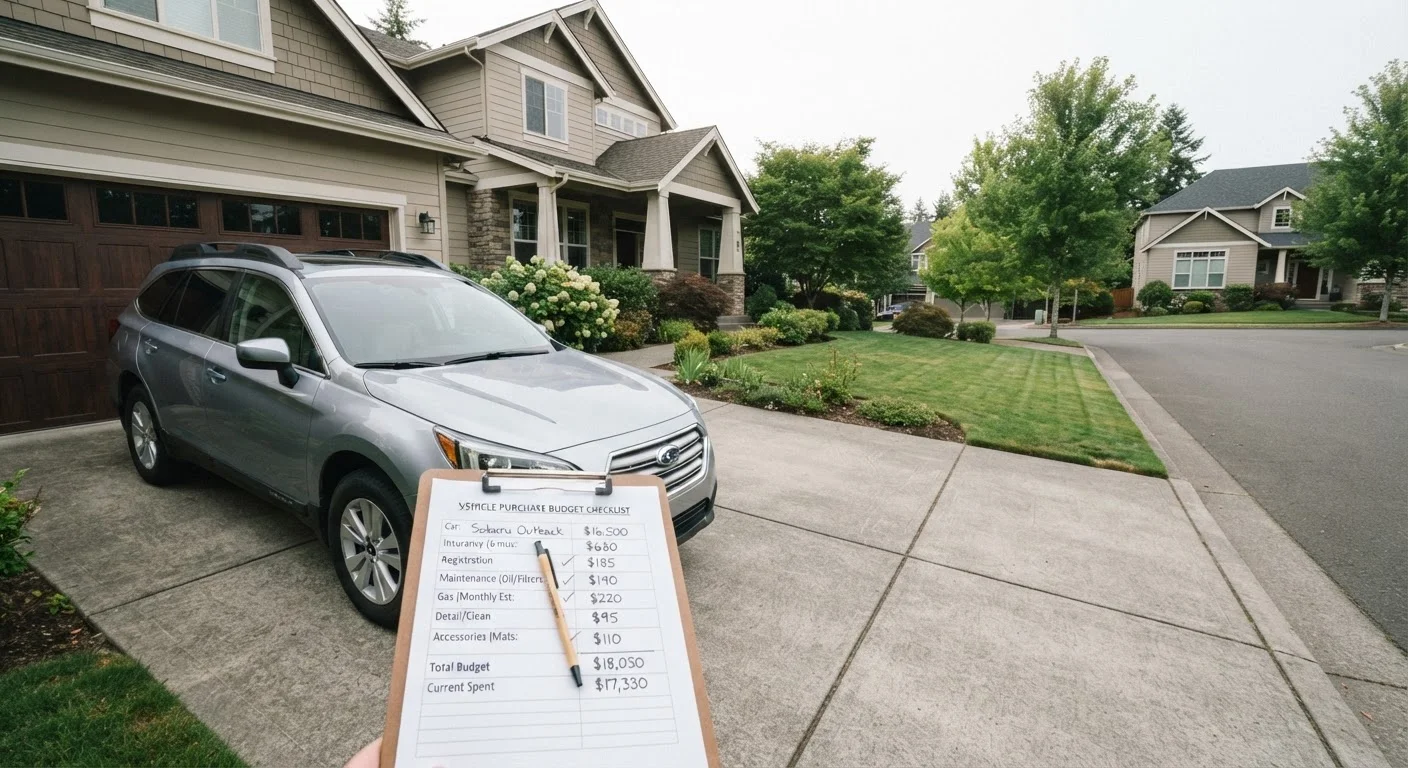
Photo: AscendWit.com | Explore Engaging Blogs. editorial
Key Takeaways
- The purchase price typically represents only a fraction of what a vehicle costs over time.
- Insurance, fuel, and maintenance are recurring costs that add up significantly each year.
- Depreciation is often the largest single cost of owning a new vehicle.
- Financing a car means paying interest on top of the purchase price - sometimes thousands more.
- Budgeting for the full cost upfront helps prevent financial stress during ownership.
Why the Sticker Price Is Just the Beginning
When most people shop for a vehicle, they focus on the number on the window sticker. That figure matters - but it only tells part of the story. The full cost of owning a car unfolds over months and years in the form of recurring expenses that continue long after you drive off the lot.
Understanding what those costs are, roughly how much they run, and when to expect them is one of the most practical things a car owner can do. It turns ownership from a series of surprises into something manageable and predictable.
~$12,000
Estimated average annual car ownership cost
AAA's annual "Your Driving Costs" study has consistently placed total average ownership and operating costs for a new vehicle at roughly this figure when all expenses are combined.
~20%
Typical first-year depreciation on a new car
Many automotive financial analysts note that new vehicles commonly lose around 15-20% of their value within the first year of ownership.
~15%
Share of household income spent on transportation
The U.S. Bureau of Labor Statistics Consumer Expenditure Survey consistently identifies transportation as one of the largest household budget categories.
The Fixed Costs You'll Pay Every Year
Auto insurance is one of the most significant fixed costs of ownership. In most states, carrying at least liability coverage is legally required, and the premium you pay depends on factors including your driving record, location, vehicle type, and the level of coverage you choose. Comprehensive and collision coverage - which protect your own vehicle - add to that cost.
Registration and title fees vary by state but are unavoidable. Many states also require periodic emissions or safety inspections, each carrying their own fees.
If you financed your vehicle, your loan payment is a fixed monthly obligation. But the interest embedded in that payment means you're paying more than the vehicle's purchase price over time. Understanding how auto loan interest works can help you see the full financing picture before you sign.
Get Insurance Quotes Before You Buy
Variable Costs That Depend on How You Drive
Fuel is the most familiar variable cost. It fluctuates with pump prices and your driving habits. A vehicle's fuel economy rating - measured in miles per gallon (MPG) - directly affects what you spend. Higher-mileage commuters feel fuel costs most acutely.
Maintenance is another variable that many first-time owners underestimate. Routine services like oil changes, tire rotations, brake inspections, and filter replacements are predictable and relatively modest. But skipping them can lead to larger, costlier repairs down the road. For a fuller picture of what to expect, routine car maintenance guidance is a useful starting point.
Repairs are harder to predict. Older vehicles tend to need more repair work, but even newer ones can develop unexpected issues. Setting aside a small monthly amount into a dedicated vehicle fund can cushion these costs when they arise.
There are also less obvious expenses - parking fees, tolls, and car washes - that quietly add up over time. These overlooked vehicle costs are worth factoring into your budget from the start.
Manufacturer Maintenance Schedules Matter
Depreciation: The Cost You Don't See at the Register
Depreciation is the decline in your vehicle's value over time - and for new cars, it's steep. A new vehicle typically loses a meaningful percentage of its value within the first year, with losses continuing each subsequent year. This matters most if you plan to sell or trade in the vehicle later.
New car depreciation surprises many owners precisely because it doesn't show up on a monthly statement. You feel it when you go to sell - and find the vehicle is worth considerably less than what you paid.
Used vehicles depreciate more slowly because the steepest value drop has already occurred. That's one financial advantage of buying used, though it comes with its own trade-offs in terms of condition and reliability history.
Putting It All Together: Building a Realistic Budget
Before committing to any vehicle, it's worth estimating the total annual cost - not just the monthly payment. Add up insurance, estimated fuel based on your typical mileage and the vehicle's MPG, average annual maintenance, registration, and any loan interest. That total, divided by twelve, gives you a realistic monthly cost of ownership.
If you're a first-time owner, a comprehensive guide to early car ownership can help you set up systems and expectations from day one.
The goal isn't to discourage anyone from buying a vehicle - it's to make sure the decision is made with clear eyes. A car that fits your budget on paper but strains it in practice isn't the right fit, no matter how good it looks on the lot.
“Consumers who understand the total cost of ownership before they buy are far less likely to experience financial stress during the ownership period. The monthly payment is one number; the real cost is several.”
— Consumer Financial Protection Bureau, U.S. federal agency providing consumer financial education and guidance
Frequently Asked Questions
The content on this site is for informational purposes only and is not a substitute for professional advice. Always consult a qualified professional for guidance specific to your situation.