
Buying vs. Leasing a Car: What Changes and What Stays the Same

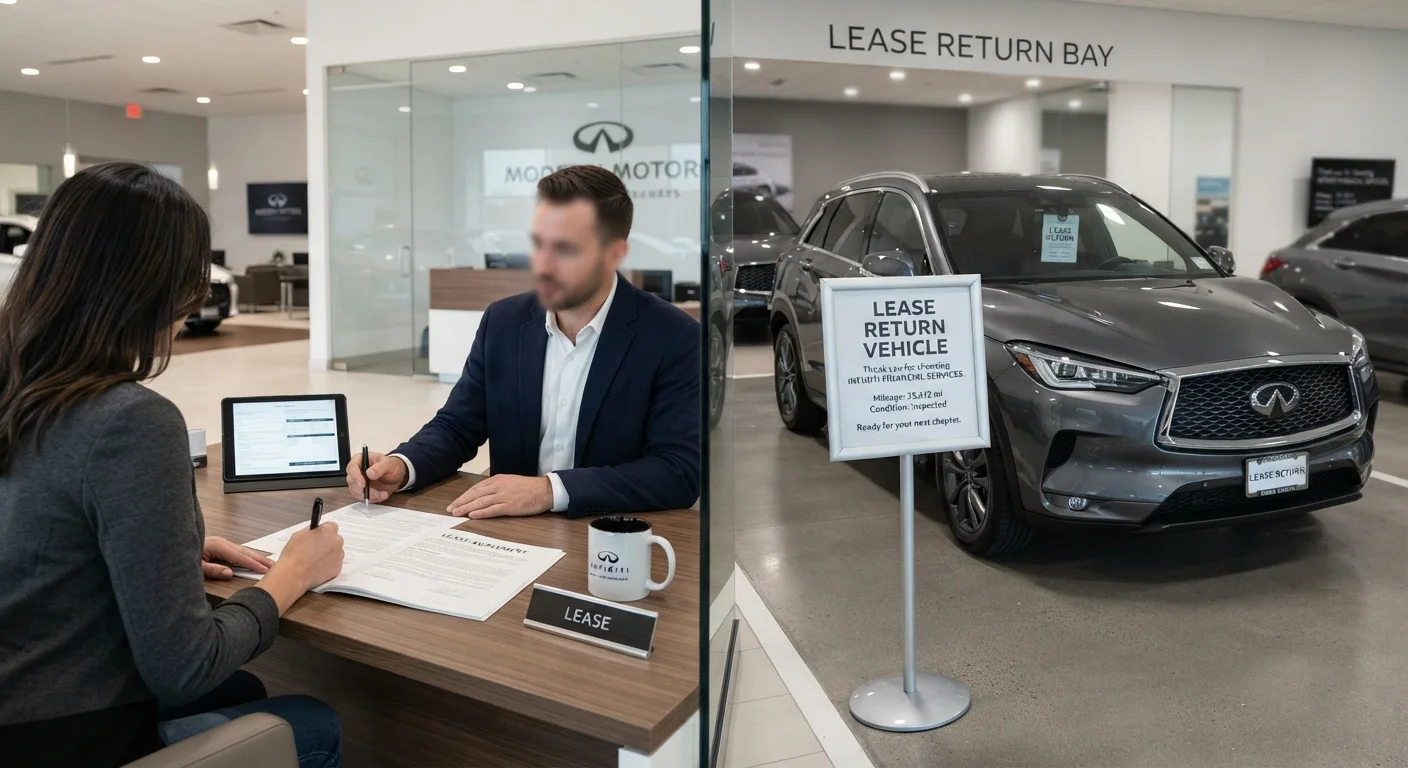
Photo: AscendWit.com | Explore Engaging Blogs. editorial
Key Takeaways
- Buying builds equity over time; leasing means you return the vehicle at the end of the term.
- Leases typically carry lower monthly payments but include mileage limits and wear standards.
- Buying costs more upfront but gives you total freedom over mileage, modifications, and resale.
- Neither option is universally better - your driving habits and financial situation determine the fit.
- Both paths require careful attention to the contract terms before you sign.
The Core Difference: Ownership vs. Access
When you buy a car - whether you pay cash or finance it through a loan - you are acquiring the vehicle as an asset. Once any loan is repaid, the title is yours outright. When you lease, you are essentially paying for the right to use a vehicle for a set period, typically two to four years, after which you return it to the lessor (usually the dealership or financing company).
This distinction shapes almost every other element of the comparison. Ownership means you can sell the vehicle, trade it in, or drive it as long as it runs. A lease means you're working within a defined contract that sets mileage limits, return conditions, and end-of-term obligations. For a broader look at how ownership decisions play out financially, the hidden costs of owning vs. renting framework applies surprisingly well to vehicles too.
| Criterion | Buying | Leasing |
|---|---|---|
| Ownership | You own the vehicle | Lessor retains title |
| Monthly payment | Higher (full price financed) | Lower (depreciation only) |
| Mileage limits | None | Typically 10,000-15,000/year |
| End of term | Keep, sell, or trade in | Return, buy out, or re-lease |
| Modifications allowed | Yes | Generally no |
| Early exit | Sell or trade in anytime | Early termination fees apply |
| Long-term cost | Lower after payoff | Ongoing if repeatedly leased |
| Equity built | Yes | No |
Monthly Payments and Long-Term Cost
Lease payments are calculated differently from loan payments. A loan spreads the full purchase price (minus your down payment) across the loan term. A lease payment is based on the vehicle's depreciation during the lease period - the gap between its value today and its projected residual value at the end of the term - plus interest and fees.
Because you're only paying for a portion of the vehicle's value, monthly lease payments are often lower than loan payments for the same car. However, once a purchase loan is paid off, you have no more payments. A lessee who continuously rolls from one lease to the next faces a permanent monthly payment with nothing to show in terms of ownership.
~30%
Average vehicle value lost in first year
New vehicles typically depreciate sharply in the first year of ownership, according to general industry data - a factor that affects both lease residual values and resale prices for buyers.
2-4 years
Typical lease term length
Most auto leases run between 24 and 48 months, aligning with the period when manufacturer warranties often remain active.
12,000 miles
Common annual mileage cap in leases
Many standard lease agreements set a 12,000-mile annual limit, with per-mile overage charges that vary by contract.
It's also worth noting that financing terms - interest rates, loan length, down payment - heavily influence the real cost of buying. Understanding the difference between pre-approval and pre-qualification can help you approach auto financing more strategically.
Mileage, Wear, and Flexibility
One of the clearest practical differences between buying and leasing is how mileage is handled. Most leases specify an annual mileage allowance - often 10,000, 12,000, or 15,000 miles - and charge a per-mile penalty for anything over that limit. These fees can add up quickly if your driving habits change.
Lease agreements also define acceptable wear and tear. Returning a vehicle with excessive scratches, interior damage, or worn tires may result in additional charges. When you own a vehicle, these decisions are entirely yours - you set the standard for upkeep.
Gap Insurance and Leases
Flexibility is another area where buying has the edge. Owners can sell or trade in their vehicle at any time. Breaking a lease early typically involves early termination fees that can be substantial, though some manufacturers offer lease transfer programs that allow a lessee to transfer their contract to another driver. If you're weighing how long to hold on to a vehicle after purchase, the trade-offs of keeping vs. trading in a car are worth considering.
What the Paperwork Actually Covers
Both buying and leasing require you to sign contracts that define your obligations - and both reward careful reading. A purchase agreement outlines the sale price, loan terms, interest rate, and any add-ons. A lease agreement details the capitalized cost (the vehicle's negotiated price), residual value, money factor (the lease equivalent of an interest rate), mileage limits, wear standards, and end-of-term options.
For a purchased vehicle, you'll receive a title in your name once any lien is paid off. With a lease, the lessor retains the title throughout. Understanding these documents matters - see our guidance on vehicle registration and title for a clear breakdown of what each document means.
If you're considering a used vehicle purchase, vehicle history reports can offer useful context - though they have important limitations. And if you haven't already weighed the new vs. used question, the new car vs. used car trade-offs are worth understanding before settling on a path.
This article is for general informational and educational purposes only. It does not constitute financial or legal advice. Consult a qualified financial professional before making decisions about vehicle financing.
The content on this site is for informational purposes only and is not a substitute for professional advice. Always consult a qualified professional for guidance specific to your situation.