
Vehicle Registration and Title: What These Documents Mean and Why They Matter

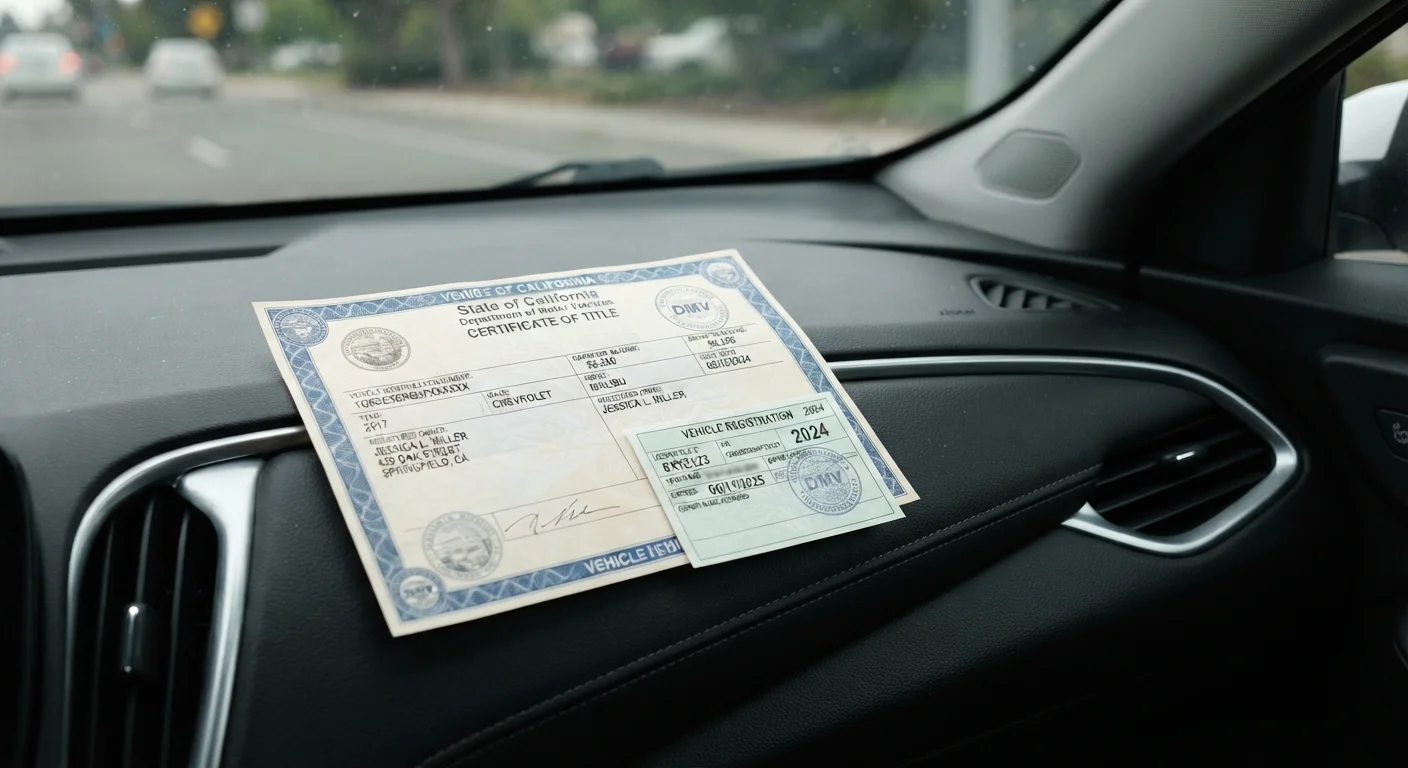
Photo: AscendWit.com | Explore Engaging Blogs. editorial
Key Takeaways
- Your title proves ownership; your registration proves the vehicle is authorized to be on the road.
- These two documents are issued separately and managed through different processes.
- A lender holds the title - or is listed as a lienholder - until a car loan is paid off.
- Driving with expired registration can result in fines, and selling without a clear title creates legal complications.
- Both documents should be kept accessible and updated whenever you move or change ownership.
The Title: Your Proof of Ownership
A vehicle title - sometimes called a certificate of title - is a legal document issued by your state's Department of Motor Vehicles (DMV) or equivalent agency. It identifies the registered owner of the vehicle and includes key details like the Vehicle Identification Number (VIN), make, model, year, and any liens against it.
When you pay cash for a vehicle, the title is issued directly in your name. When you finance, the lender is listed as a lienholder - meaning they have a legal claim on the vehicle until the loan is repaid. Once you pay off the loan, the lender releases the lien and either sends you the title or notifies the state to update the record.
Keeping track of your title matters most when it's time to sell. You cannot legally transfer a vehicle to a new owner without signing over the title. A title that's lost, damaged, or still tied up with a lender can stall or block a sale entirely.
Store Your Title Somewhere Safe - Not in the Car
If you're a first-time buyer, see our guide to car ownership basics for a broader look at what to expect when taking ownership of a vehicle.
The Registration: Your Permission to Be on the Road
While the title proves who owns a vehicle, registration answers a different question: is this vehicle authorized to operate on public roads in this state? Registration is issued by your state and must typically be renewed on an annual basis, though some states offer multi-year options.
When you register a vehicle, the state collects fees - sometimes based on the vehicle's value, weight, or age - and issues a registration card and a license plate or registration sticker. That card is what an officer checks during a traffic stop. An expired registration is a ticketable offense in every state, and enforcement varies in how quickly it escalates.
30-90 days
Typical window to re-register after moving states
Most states require new residents to register a vehicle within this timeframe; the exact deadline varies by state DMV rules.
~$150
Average annual vehicle registration fee (US)
Registration fees vary significantly by state and are often calculated based on vehicle value, weight, or age, according to general DMV fee schedules.
Registration is also how states track whether vehicles meet local requirements, such as emissions standards in areas where smog testing is required. If you move to a new state, you'll generally need to re-register your vehicle within a set window - often 30 to 90 days - and that may include a new title as well.
For buyers comparing ownership structures, our article on buying versus leasing a car explains how registration responsibilities differ depending on how you acquired the vehicle.
What Happens If Either Lapses or Goes Wrong
Both documents require active attention from vehicle owners. Here's what's at stake when something goes wrong:
- Expired registration: Traffic fines, possible impoundment, and complications if you're involved in an accident while unregistered.
- Lost title: You'll need to apply for a duplicate through your state DMV. It's a solvable problem, but it takes time and paperwork.
- Selling with a lien still on the title: This creates serious legal complications for both buyer and seller. The lien must be resolved before ownership can transfer cleanly.
- Title fraud or a "salvage" title: A salvage title indicates the vehicle was previously declared a total loss by an insurance company. It affects insurability, resale value, and in some states, the ability to register the vehicle for road use.
Title and Registration Rules Vary by State
Staying organized with both documents protects you whether you're renewing, selling, or simply getting pulled over. Consider keeping a digital photo of each as a backup - while a photo doesn't replace the physical document, it can help you locate key information quickly.
Frequently Asked Questions
The content on this site is for informational purposes only and is not a substitute for professional advice. Always consult a qualified professional for guidance specific to your situation.