
New Car vs. Used Car: Weighing the Real Trade-Offs

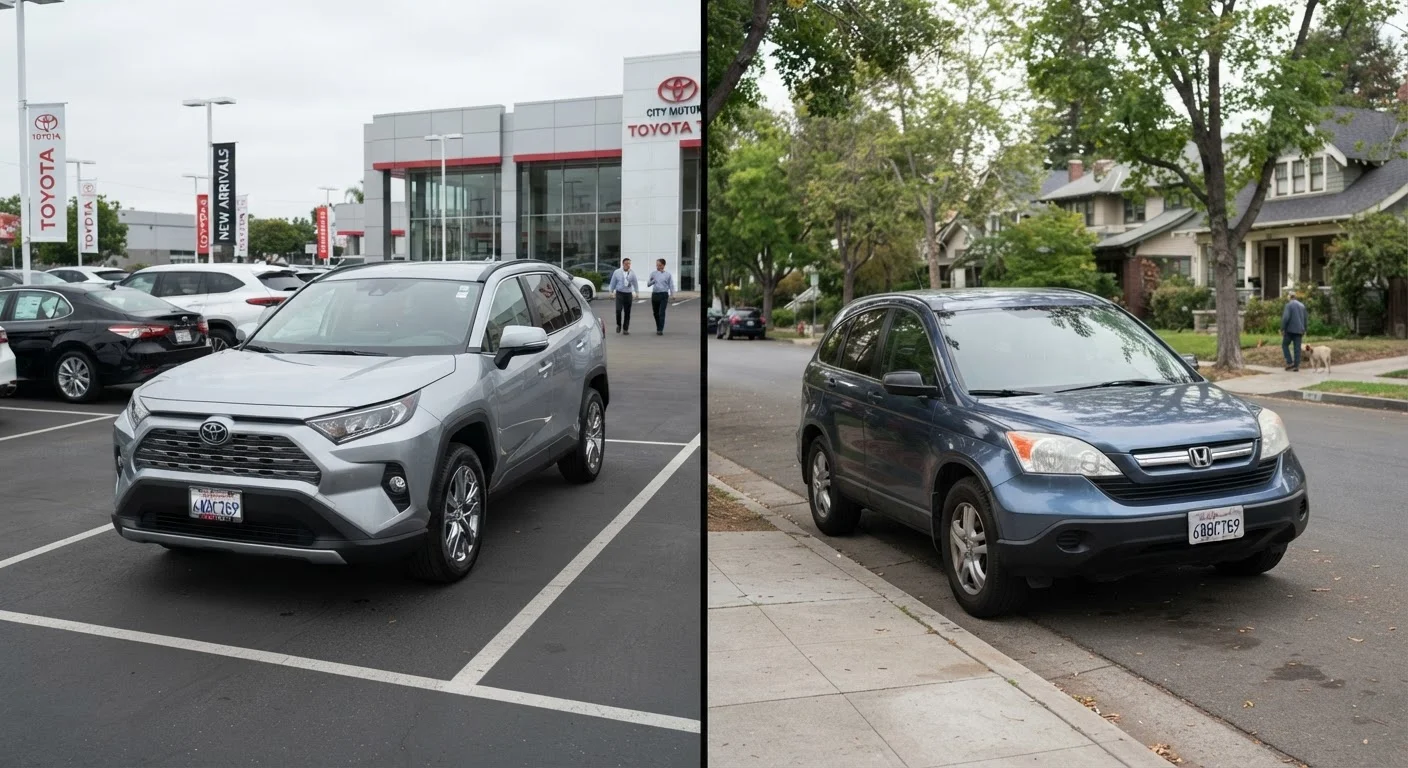
Photo: AscendWit.com | Explore Engaging Blogs. editorial
Key Takeaways
- New cars depreciate fastest in the first two to three years, which benefits used-car buyers.
- Manufacturer warranties and modern safety features are stronger arguments for new than price alone.
- A used car's total cost depends heavily on its maintenance history and remaining reliability.
- Financing rates often differ between new and used loans, affecting the true monthly cost.
- Neither choice is universally better - your budget, driving habits, and risk tolerance all matter.
The Depreciation Reality
A new vehicle typically loses a significant portion of its value within the first few years of ownership - commonly cited estimates from automotive research sources suggest roughly 20% in year one and as much as 50% by year five, though the exact figures vary by make, model, and market conditions. That depreciation curve is the single biggest financial argument for buying used.
When you purchase a two- or three-year-old vehicle, someone else has absorbed that steepest initial drop. You pay closer to the car's stabilized market value. The flip side: the previous owner's driving and maintenance habits come along for the ride, which is why a thorough vehicle history report and a pre-purchase inspection by an independent mechanic are worth the time and cost.
For a broader look at how ownership length intersects with depreciation, see our guide on keeping vs. trading in a car.
| New Car | Used Car | |
|---|---|---|
| Purchase price | Higher upfront cost | Lower upfront cost |
| Depreciation impact | Steepest in years 1-3 | Already absorbed by prior owner |
| Warranty coverage | Full manufacturer warranty | Partial, CPO, or none |
| Financing rates | Often lower; promotional rates possible | Typically higher rates |
| Safety technology | Latest standard features | May lack newer systems |
| Maintenance history | Known from day one | Depends on records available |
| Customization options | Choose trim, color, features | Limited to available inventory |
Warranties, Reliability, and the Unknown
New cars come with a manufacturer's warranty - typically a bumper-to-bumper period (often three years or 36,000 miles) and a powertrain warranty that runs longer. That coverage means unexpected repair bills are largely absorbed during the early ownership period, which makes budgeting more predictable.
Used cars are a different calculation. A vehicle coming off lease or sold as a certified pre-owned (CPO) unit may still carry some factory warranty time, and CPO programs often add their own coverage. A privately sold or older used car may have no warranty at all, meaning any repair cost lands entirely on you.
This doesn't automatically make used cars the riskier choice - many models are well documented for long-term reliability, and a clean maintenance record tells you a lot. But it does mean you need a clear-eyed picture of likely repair costs before committing.
Never Skip a Pre-Purchase Inspection
Financing Rates and the Real Monthly Cost
Sticker price isn't the whole story. Interest rates on auto loans can differ meaningfully between new and used vehicles. Lenders often offer lower rates on new cars - sometimes including manufacturer-sponsored promotional rates - while used car loans may carry higher rates that partially offset the lower purchase price.
Running the numbers on total interest paid over the loan term, not just the monthly payment, gives a more honest comparison. A lower purchase price financed at a higher rate over a longer term can end up costing more than a pricier new car financed at a promotional rate over a shorter term. General guidance is to get preapproved through your own bank or credit union before visiting any dealership, so you have a baseline for comparison.
If you're also weighing whether to buy at all versus lease, our buying vs. leasing comparison covers how those monthly cost structures differ.
Get Preapproved Before You Shop
Safety Technology and Features
Modern vehicles have advanced rapidly in standard safety technology. Features like automatic emergency braking, lane-keeping assist, and blind-spot monitoring - once reserved for premium trims - are now common on new base models. When you buy new, you get the most current version of these systems.
A used car from even a few model years back may lack features that have since become standard, or may include an earlier, less refined version of a technology. For some buyers, particularly those with young families or long highway commutes, that gap is worth paying for. For others driving shorter distances in familiar surroundings, it may matter less.
Insurance costs can also vary between model years and trim levels, so it's worth getting quotes on any specific vehicle you're seriously considering before making a final decision. Neither new nor used is automatically cheaper to insure - it depends on the vehicle's safety record, replacement part costs, and your driving history.
This article is for general informational purposes only and does not constitute financial or legal advice. Consult a qualified financial professional for guidance specific to your situation.
The content on this site is for informational purposes only and is not a substitute for professional advice. Always consult a qualified professional for guidance specific to your situation.