
Warning Lights on Your Dashboard and What They're Telling You

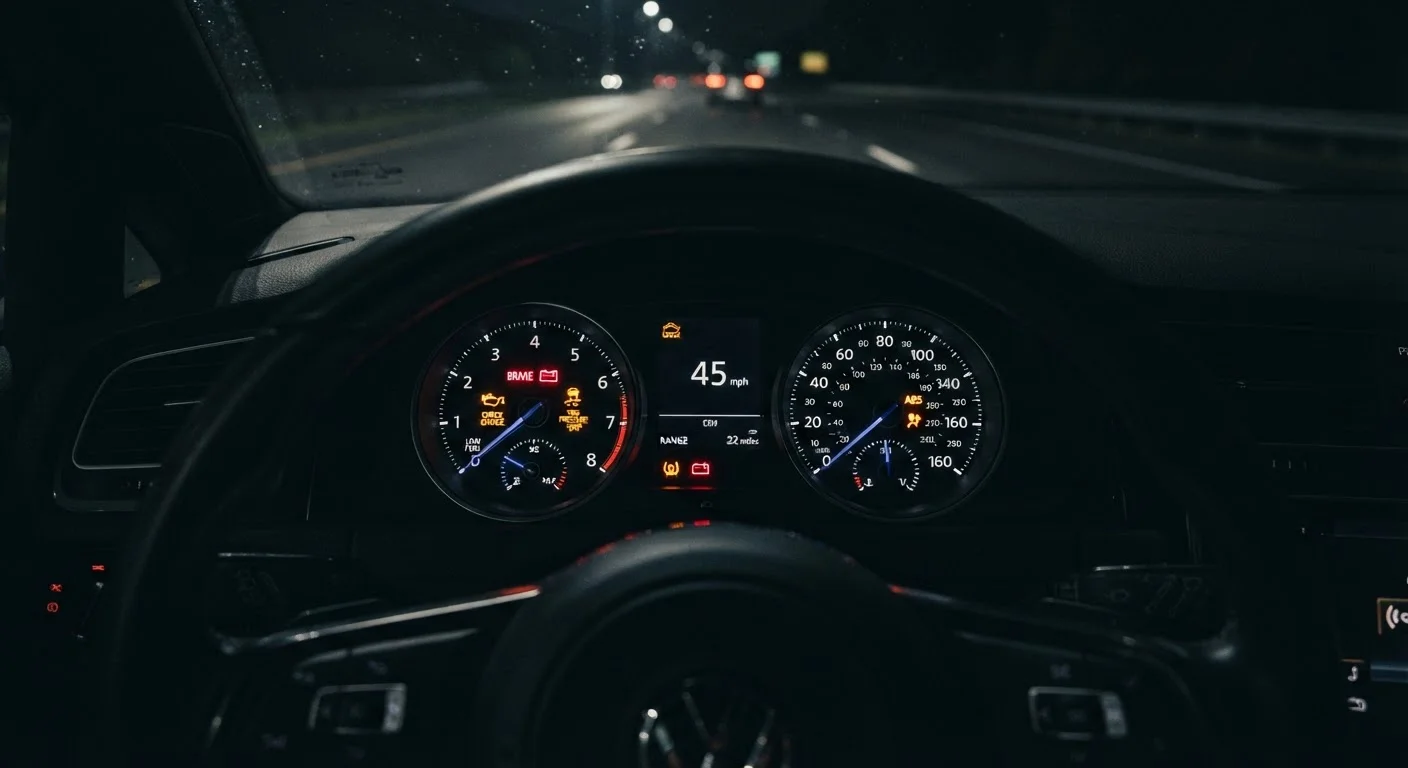
Photo: AscendWit.com | Explore Engaging Blogs. editorial
How Dashboard Warning Lights Are Organized
Most modern vehicles use a three-color system to communicate urgency. Red means stop or act immediately - driving further could cause serious damage or create a safety risk. Amber or yellow signals a condition that needs attention soon but isn't necessarily an emergency. Green or blue indicators are typically informational, letting you know a system is active (such as high beams or a turn signal).
The exact icons vary by manufacturer, so your owner's manual remains the most reliable reference for your specific vehicle. That said, many warning symbols are standardized enough that this guide covers the ones most drivers will encounter.
| Red light urgency | Stop or act immediately |
| Amber light urgency | Schedule service soon |
| Most common amber light | Check engine |
| TPMS trigger threshold | Typically 25% below recommended PSI (National Highway Traffic Safety Administration (NHTSA)) |
| Best reference for your vehicle | Owner's manual |
The Warning Lights You're Most Likely to See
Check Engine (amber engine outline): This is one of the most misunderstood lights on any dashboard. It can indicate anything from a loose gas cap to a misfiring engine. A steady light usually means a non-emergency fault worth diagnosing soon. A flashing check engine light, however, often signals an active misfire that can damage the catalytic converter - pull over safely and have the vehicle checked before continuing. See what common warning indicators signal for more context on when to act.
Oil Pressure (red oil can): If this comes on while driving, don't ignore it. Low oil pressure can mean critically low oil level or a failing oil pump. Pull over, turn off the engine, and check the oil level before driving further.
Battery (red battery icon): Indicates the charging system isn't maintaining voltage - often a failing alternator or a weak battery. The vehicle may continue running briefly on battery power alone, but systems will fail quickly. Spotting early battery warning signs before this light appears can prevent being stranded.
Tire Pressure Monitoring System - TPMS (amber exclamation point inside a horseshoe): One or more tires are significantly under- or over-inflated. Check pressure as soon as it's safe to do so. Tire pressure affects fuel economy, handling, and safety more than many drivers realize.
Temperature Warning (red thermometer in liquid): The engine is overheating. Pull over safely, turn off the engine, and do not open the radiator cap while hot. Continuing to drive can cause severe engine damage.
Brake System (red circle with exclamation or "BRAKE"): Could mean the parking brake is engaged, brake fluid is low, or there's a fault in the ABS or brake system. If the parking brake is off and the light remains, have it checked immediately - braking performance may be compromised.
TPMS
Tire Pressure Monitoring System - a sensor-based system that alerts the driver when one or more tires fall significantly below the recommended inflation pressure. Required on all new passenger vehicles sold in the US since 2008.
Catalytic Converter
An emissions-control device in the exhaust system that converts harmful combustion byproducts into less harmful gases. Engine misfires can overheat and damage it quickly.
Alternator
A generator driven by the engine that recharges the battery and powers the vehicle's electrical systems while the engine is running. A failing alternator can trigger the battery warning light.
ABS
Anti-lock Braking System - a safety system that prevents the wheels from locking during hard braking, allowing the driver to maintain steering control. An ABS warning light means this system may not function in an emergency stop.
What to Do When a Light Comes On
The first step is staying calm. Not every warning light is a reason to pull over immediately, but none should be ignored for days or weeks. Use this general approach:
- Note the color. Red means act now; amber means schedule service soon.
- Check for obvious symptoms. Unusual noise, vibration, smell, or handling changes alongside a light raise the urgency.
- Consult your owner's manual to identify the specific symbol and the manufacturer's recommended response.
- For amber lights with no other symptoms, it's generally reasonable to drive home or to a mechanic - but don't keep postponing a diagnosis.
- For red lights or flashing lights, treat them seriously. Pull over when safe and contact a qualified mechanic before continuing.
Staying on top of routine maintenance reduces the odds of a warning light catching you off guard. Understanding your car's maintenance schedule is one of the most effective ways to keep systems healthy. A quick pre-trip vehicle check before longer drives can also surface problems before warning lights appear.
Your Owner's Manual Is the Final Word
The content on this site is for informational purposes only and is not a substitute for professional advice. Always consult a qualified professional for guidance specific to your situation.