
Signs Your Car Battery Is on Its Way Out

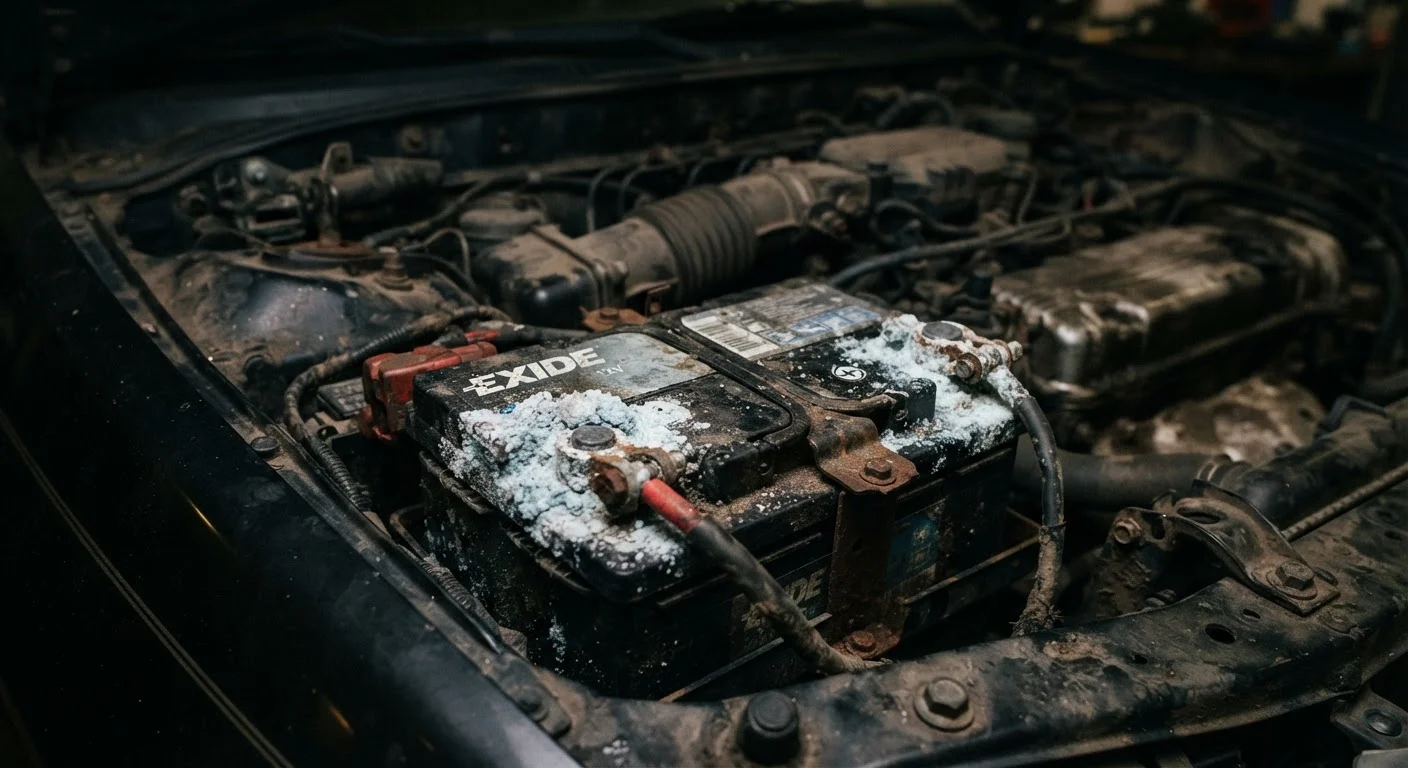
Photo: AscendWit.com | Explore Engaging Blogs. editorial
Key Takeaways
- Most failing batteries show clear warning signs days or weeks before they die completely.
- Slow engine cranking, dimming lights, and electrical glitches are among the earliest red flags.
- Car batteries typically last three to five years, depending on climate and driving habits.
- A qualified mechanic can load-test your battery to confirm whether replacement is needed.
- Catching a weak battery early prevents being stranded and can avoid related electrical damage.
Your Battery Rarely Dies Without Warning
A dead battery feels sudden - but most of the time, it isn't. The warning signs tend to show up gradually, easy to dismiss as minor quirks until the morning your car simply won't start. Knowing what to look for gives you time to act before you're stranded.
Car batteries typically last between three and five years. Heat, cold, frequent short trips, and leaving accessories on when the engine is off all accelerate wear. The signs below are worth taking seriously, especially if your battery is already a few years old. If you're not sure when it was last replaced, your owner's manual or a qualified mechanic can help you establish a baseline.
Keep in mind that some of these symptoms can overlap with other electrical or alternator issues - a professional diagnosis is the reliable way to confirm the cause. For a broader look at dashboard indicators that might accompany these signs, see our guide to warning lights.
The Engine Is Slow to Crank
When you turn the key or press the start button, you might notice the engine takes longer than usual to turn over - a sluggish, labored sound rather than the quick, crisp start you're used to. This "slow crank" happens because the battery can no longer deliver adequate power to the starter motor. It's one of the most reliable early indicators that battery capacity is declining.
Cold mornings can make this more pronounced, since batteries lose efficiency in low temperatures. If it happens consistently - not just on an unusually cold day - it's worth getting the battery tested.
A sluggish crank is one of the most reliable early signals that your battery is losing capacity.
Headlights or Interior Lights Appear Dimmer Than Usual
Your battery powers the electrical system when the engine is off and supplements the alternator when it's running. A weakening battery often shows up as noticeably dimmer headlights, particularly at idle or during startup. Interior dome lights that seem less bright than they used to be can tell the same story.
If your lights brighten when you rev the engine but dim again at idle, that's a sign the alternator is compensating for a battery that can no longer hold a steady charge on its own.
Lights that brighten when you rev the engine suggest the battery can no longer hold a steady charge.
Electrical Accessories Are Acting Erratically
Power windows that move more slowly than normal, a radio that resets unexpectedly, or seat adjusters that seem sluggish can all point to insufficient voltage. Modern vehicles are heavily reliant on stable electrical supply, and a failing battery is often the first place that stability breaks down.
These glitches are easy to chalk up to software bugs or loose connections - and sometimes they are. But if multiple accessories behave oddly around the same time, the battery is a logical first suspect. The dashboard warning lights guide covers related electrical indicators worth watching alongside these symptoms.
Multiple electrical accessories misbehaving at once often points to a common cause: a weak battery.
You Notice Corrosion on the Battery Terminals
White, blue, or greenish powder building up around the battery terminals is a sign of a chemical reaction between the battery acid and the metal connectors. Some surface corrosion is normal over time, but heavy buildup can impede the electrical connection and accelerate battery wear.
Terminal corrosion is visible during a basic under-hood inspection - something worth making part of your routine check before longer trips. Catching it early means a simple cleaning rather than a compromised electrical system. For a practical pre-trip checklist, see what to inspect before every drive.
Heavy terminal corrosion can impede electrical flow and accelerate the battery's decline.
The Battery Warning Light Comes On
Most vehicles have a dedicated battery warning light - typically a small battery icon on the dashboard. When it illuminates while driving, it usually means the charging system isn't maintaining proper voltage. This could indicate the battery itself is failing, but it can also signal a problem with the alternator or a loose drive belt.
Either way, a lit battery warning light warrants prompt attention. Continuing to drive with an uncharged or undercharged battery risks a mid-trip shutdown. Don't ignore it or assume it will clear on its own.
A lit battery warning light means the charging system needs professional attention - don't delay.
Your Battery Is Three or More Years Old
Age alone isn't a symptom, but it's an important context for everything else on this list. A battery showing minor symptoms at two years old might have years of life left. The same symptoms at four years old are a much stronger signal to act. Most manufacturers recommend having the battery tested annually once it passes the three-year mark.
If you genuinely don't know how old your battery is, check for a sticker on the battery case - many include a manufacture date. A mechanic can also check during a routine service visit.
Once a battery passes three years, annual testing is a simple way to stay ahead of a failure.
What to Do When You Spot These Signs
If you notice one or more of the signals above, don't wait for a full failure. Have a qualified mechanic perform a battery load test - a quick, inexpensive check that measures whether the battery can hold a charge under real-world demand. It takes only a few minutes and gives you a clear answer.
Check Before You Need To
Battery replacement is a routine service, but it does involve handling electrical components and, in some vehicles, requires a system reset to preserve settings. If you're not comfortable working around car electrics, having a professional handle it is a reasonable choice.
A failing battery is also worth factoring into your overall ownership budget. Unexpected replacements are exactly the kind of cost covered in our breakdown of hidden car ownership costs. Building a small maintenance reserve can make these moments far less stressful.
The content on this site is for informational purposes only and is not a substitute for professional advice. Always consult a qualified professional for guidance specific to your situation.