
Car Maintenance

Keeping a High-Mileage Car Running Well

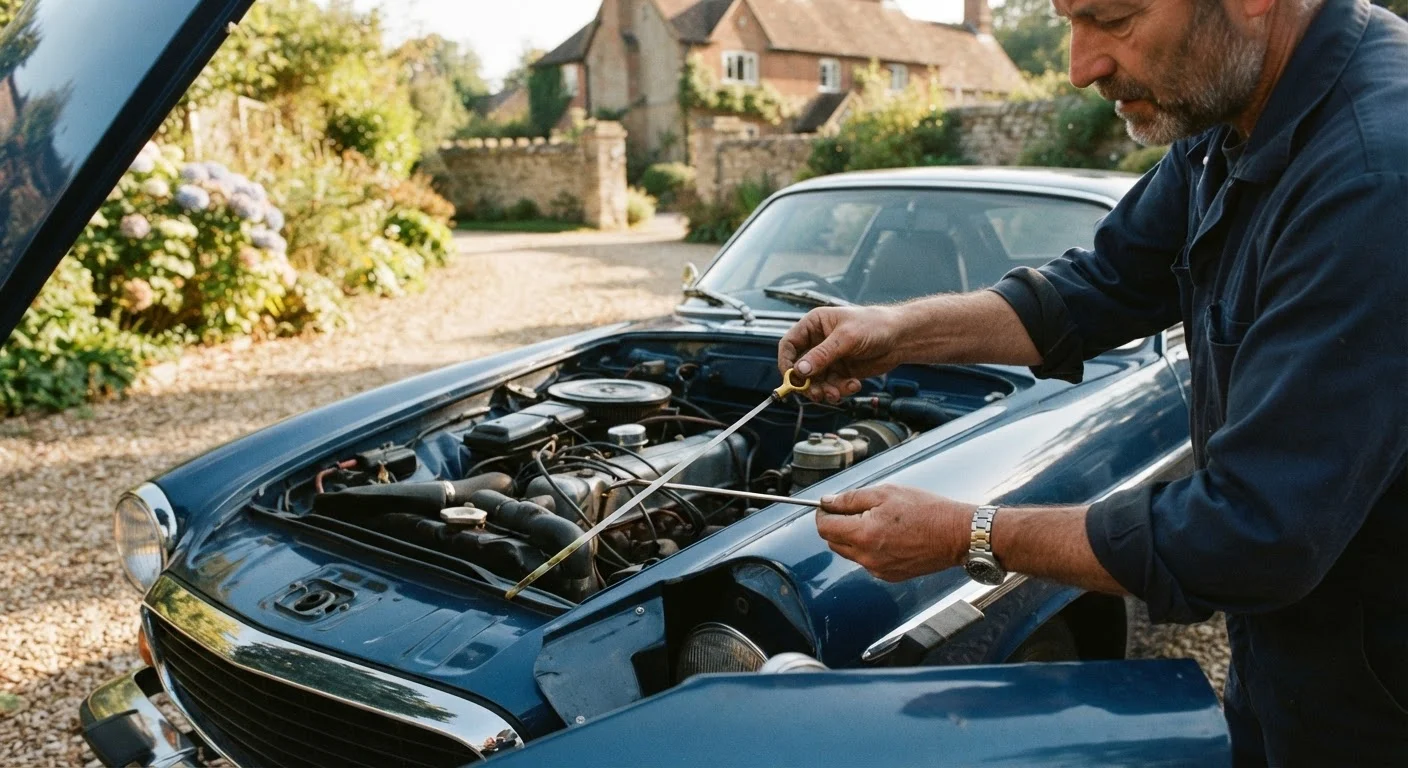
Keeping a High-Mileage Car Running Well

Photo: AscendWit.com | Explore Engaging Blogs. editorial

Vehicles with 100,000+ miles need a tailored approach to upkeep. Learn which systems deserve extra attention as the odometer climbs.

Key Takeaways

  • Vehicles past 100,000 miles benefit from more frequent fluid checks and targeted inspections.
  • Rubber components like belts, hoses, and seals become high-priority items as mileage climbs.
  • Catching small issues early is almost always cheaper than waiting for a breakdown.
  • Following your owner's manual remains the single most reliable maintenance guide for any vehicle.
  • A high-mileage car can remain dependable with consistent, proactive upkeep.

Why High-Mileage Vehicles Need a Different Approach

Crossing the 100,000-mile mark doesn't automatically mean trouble — plenty of vehicles go well past 200,000 miles with proper care. But it does mean the rules change a little. Parts that were nearly new when you drove off the lot have now endured years of heat cycles, road vibration, and chemical stress. Waiting for something to break before addressing it becomes a much riskier strategy.

The good news is that most high-mileage maintenance is straightforward. It's mostly a matter of paying closer attention to the systems that age hardest and staying consistent with the basics. If you're weighing whether to hold onto your vehicle or trade up, our piece on keeping a car long-term vs. trading it in can help you think that through.

200K+

Miles modern vehicles can reach with proper care

Industry data and owner reports increasingly show well-maintained vehicles from many manufacturers surpassing 200,000 miles before major mechanical failure.

~$9,000

Average annual cost of a new car payment plus ownership costs

Consumer expenditure surveys consistently show that maintaining an existing vehicle is significantly less expensive annually than replacing it, even accounting for higher repair frequency.

Core Practices for Keeping a High-Mileage Vehicle Reliable

The following practices are grounded in manufacturer guidance and widely accepted automotive maintenance standards. None require advanced mechanical skill — but all require consistency.

1

Switch to a high-mileage engine oil formulation if your vehicle qualifies.

High-mileage oils contain seal conditioners and additional detergents designed for engines with more wear. They can help reduce minor oil consumption and slow seepage from aging gaskets — common issues in older engines. Always verify the viscosity grade matches what your owner's manual specifies.
Example: A driver noticing a slow oil-level drop between changes switches to a high-mileage 5W-30 oil and finds the engine consumes noticeably less between intervals.
2

Inspect and replace rubber belts and hoses on a proactive schedule.

Serpentine belts, timing belts (where applicable), and coolant hoses degrade from heat and ozone exposure over time. A snapped belt or a burst hose can leave you stranded and, in the case of timing belts, cause serious engine damage. Visual cracks, glazing, or softness are signs replacement is overdue.
Example: A mechanic spots small cracks on a serpentine belt during an oil change on a 110,000-mile vehicle and replaces it before it fails on the highway.
3

Check and flush cooling system fluid according to your service schedule.

Coolant degrades over time, losing its corrosion inhibitors. Old coolant can cause scale buildup and rust inside the cooling system, leading to overheating — one of the fastest ways to cause costly engine damage. Many manufacturers recommend a coolant flush between 100,000 and 150,000 miles, though your owner's manual is the definitive guide.
Example: A vehicle owner following the manufacturer's 5-year coolant flush interval avoids the internal corrosion that was beginning to form in the radiator.
4

Monitor and maintain transmission fluid with greater diligence.

Transmission fluid breaks down with use and heat, and a transmission that's been running on degraded fluid is far more prone to costly failure. High-mileage vehicles benefit from more frequent fluid condition checks, even if full changes aren't always necessary. A transmission shop or mechanic can assess fluid condition quickly.
Example: At 120,000 miles, a driver has the transmission fluid inspected and finds it's darkened significantly; a fluid service restores smooth shifting that had gradually worsened.
5

Pay close attention to brake system components, including brake fluid.

Brake fluid absorbs moisture over time, which lowers its boiling point and can cause spongy pedal feel. Calipers, rotors, and brake lines also wear — and on a high-mileage vehicle, brake line corrosion in particular deserves a visual check. Brakes are a safety system, not just a maintenance item.
Example: During a routine inspection of a 130,000-mile vehicle, a mechanic identifies surface rust on a brake line section and addresses it before it becomes a leak.
6

Keep up with spark plug and ignition system maintenance.

Worn spark plugs reduce fuel efficiency, increase emissions, and can cause misfires that stress the catalytic converter — an expensive component to replace. Many modern vehicles use long-life iridium or platinum plugs, but they still need replacement on schedule. Check your owner's manual for the recommended interval.
Example: Replacing spark plugs at the 105,000-mile mark on a vehicle that had never had them changed restores noticeably smoother acceleration and improves fuel economy.

Quick Actions You Can Take Right Now

You don't need to overhaul your entire routine at once. A few targeted actions this week can meaningfully reduce your risk of an unexpected repair bill.

high Pull out your owner's manual and confirm whether any overdue services — timing belt, coolant flush, transmission service — are past their mileage interval.
high Check your engine oil level and condition today; if it's dark and gritty, schedule an oil change this week rather than waiting.
medium Squeeze your coolant hoses (when the engine is cold) and look for visible cracks on belts; flag anything soft, sticky, or cracked for a mechanic's review.
medium Test your battery if it's more than four years old — many auto parts stores offer free battery testing without an appointment.

For a broader foundation, our first-time owner's maintenance overview covers the essentials every driver should know. And if you've picked up a few car care habits over the years, it's worth checking them against our guide on car maintenance myths that could hurt your vehicle — some common practices do more harm than good.

Make Friends With a Trusted Mechanic

For a high-mileage vehicle, having a mechanic who knows its history is genuinely valuable. A shop that has serviced your car before can spot emerging trends — like a slow oil seep that's getting worse — that a new shop might miss. Ask for a written record of every service performed so you have a complete maintenance history.

Staying Ahead of Seasonal and System-Wide Wear

High-mileage cars feel the effects of temperature swings more acutely than newer ones. Aging rubber seals, older coolant, and a battery that's already worked hard are all more vulnerable when temperatures spike or drop. Pairing a consistent maintenance routine with a seasonal car care approach gives your vehicle the best chance of handling whatever the calendar throws at it.

The underlying principle is simple: a vehicle that's been well cared for at 80,000 miles is much easier to keep running well at 150,000 miles than one that wasn't. Consistency compounds over time, and so does neglect.

“The most expensive repair is almost always the one you could have prevented. Consistent, scheduled maintenance isn't just good practice — it's the most cost-effective thing a vehicle owner can do.”

— AAA Automotive Research, National automotive consumer advocacy and research organization

Automotive Editorial Team

AscendWit.com | Explore Engaging Blogs.

Automotive Editorial Team is the collective byline for our editorial team and contributor network. Articles published under this byline or an editorial pen name are researched, written, and reviewed according to our editorial standards for clarity, consistency, and independence before publication.

Car MaintenanceSafe DrivingCar Ownership Basics
View author profile

The content on this site is for informational purposes only and is not a substitute for professional advice. Always consult a qualified professional for guidance specific to your situation.