
Car Maintenance Myths That Could Actually Hurt Your Vehicle

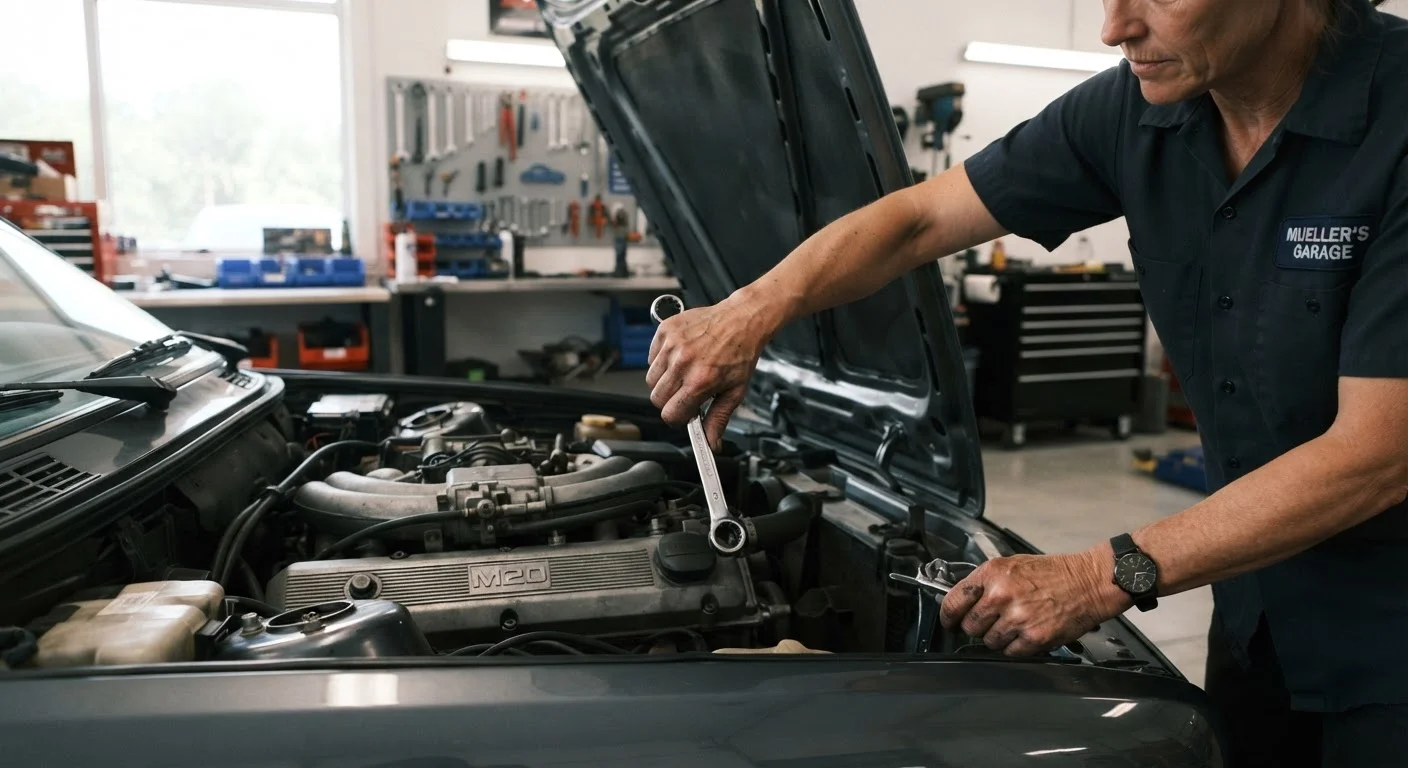
Photo: AscendWit.com | Explore Engaging Blogs. editorial
Key Takeaways
- Modern engines don't need extended warm-up idling before driving in cold weather.
- Most vehicles today require oil changes far less frequently than the old 3,000-mile rule suggests.
- Tire pressure should match your door jamb sticker, not the number printed on the tire sidewall.
- Premium fuel only benefits engines specifically designed or required to use it.
- Skipping manufacturer-scheduled maintenance - not just oil changes - is where real damage happens.
Where These Myths Come From
Most car maintenance myths aren't random - they started as legitimate advice for older vehicles and never got updated. The 3,000-mile oil change, the long warm-up idle, filling tires to sidewall pressure: each of these made sense at some point in automotive history. The problem is that engines, lubricants, and fuel systems have changed dramatically, while the folk wisdom hasn't kept pace.
The result is that well-meaning drivers spend money on unnecessary services, skip things that actually matter, or follow routines that can quietly cause wear. The myths below are among the most commonly repeated - and some of them are actively working against your vehicle's health.
Myth
You need to let your car idle and warm up for several minutes on cold mornings before driving.
Fact
Modern fuel-injected engines warm up faster and more efficiently when driven gently, not idled in the driveway.
The extended warm-up habit comes from the era of carbureted engines, which genuinely needed time to stabilize fuel delivery in cold temperatures. Fuel injection - standard on virtually all vehicles sold in the US since the late 1980s - handles cold starts electronically and reaches operating temperature quicker under light load than sitting still. Extended idling in cold weather wastes fuel, increases engine wear from incomplete combustion, and can wash cylinder walls with unburned fuel. A minute or less to let oil circulate, then a gentle start, is all most modern engines need. For more on how seasonal temperature swings affect your car, see our seasonal car care guide.
Myth
You should change your engine oil every 3,000 miles, no exceptions.
Fact
Most modern vehicles - especially those using full-synthetic oil - have manufacturer-recommended intervals of 5,000 to 10,000 miles or more.
The 3,000-mile rule was sound advice for older engines using conventional oil, but it no longer reflects how most vehicles are built or lubricated today. Synthetic and synthetic-blend oils degrade more slowly and maintain viscosity across a wider temperature range. Changing oil more often than your manufacturer specifies isn't protective - it just costs more money and generates unnecessary waste. The right interval is in your owner's manual, and it varies by engine design, oil type, and driving conditions. What actually harms engines is going too long between changes, not sticking to an arbitrary mileage number. For a breakdown of oil types and labeling, see what the numbers on oil labels mean.
Myth
Inflate your tires to the pressure number printed on the tire sidewall.
Fact
The number on the sidewall is the tire's maximum rated pressure, not the recommended operating pressure for your vehicle.
The correct tire pressure for your car is listed on a sticker inside the driver's door jamb - and sometimes in the owner's manual - not on the tire itself. That sidewall figure is a safety ceiling the tire manufacturer sets for the rubber; your vehicle's recommended pressure is typically lower and is matched to your car's weight, suspension, and handling characteristics. Running tires at maximum pressure makes the ride harsher, reduces the contact patch with the road, and can accelerate center-tread wear. Under-inflation causes its own problems with fuel economy and handling. Tire pressure affects more than comfort - it has real safety implications.
Myth
Premium fuel will improve the performance and longevity of any car.
Fact
Premium fuel only benefits engines engineered to require or recommend it - using it in a standard engine provides no meaningful advantage.
Premium gasoline has a higher octane rating, which resists pre-ignition (engine knock) in high-compression or turbocharged engines. If your owner's manual says premium is required, use it. If it says premium is recommended (but not required), you may see modest gains under heavy load. If the manual specifies regular, you're paying extra for a characteristic your engine can't use. Automakers design engine management systems to work optimally with the fuel grade they specify. Overspending on premium in a regular-grade engine is one of the most common and unnecessary car expenses drivers take on. Check how fuel choices affect real-world efficiency for more context.
Myth
As long as you keep up with oil changes, your car's maintenance is covered.
Fact
Oil changes are just one item on a much longer maintenance schedule that includes fluids, filters, brakes, tires, and timing components.
Oil changes get the most attention because they're frequent and visible, but a well-maintained vehicle requires attention to brake fluid, coolant, transmission fluid, cabin and engine air filters, tire rotation, and more - each on its own schedule. Neglecting these other systems while staying current on oil changes gives a false sense of security. A timing belt failure, for example, can destroy an engine entirely if the replacement interval is missed. Understanding your full maintenance schedule is the most practical thing you can do to protect a vehicle long-term. Owners of older vehicles should also review what high-mileage cars need as systems age differently past 100,000 miles.
What Your Car Actually Needs
Cutting through bad advice comes down to one habit: reading your owner's manual and following the manufacturer's maintenance schedule. That document reflects decades of engineering testing for your specific vehicle - not general assumptions about cars from a different era.
Always Check Your Owner's Manual First
If your dashboard lights up with something unfamiliar, don't dismiss it. Understanding what warning lights mean can help you decide whether to pull over immediately or schedule a service appointment. And if it's been a while since you've looked at your full service checklist, routine maintenance every owner should know is a solid starting point.
Don't Ignore Dashboard Warning Lights
Getting past outdated myths doesn't require mechanical expertise - it just requires using the resources already available to you. Your owner's manual, your door jamb sticker, and a trusted mechanic are better guides than decades-old rules of thumb.
The content on this site is for informational purposes only and is not a substitute for professional advice. Always consult a qualified professional for guidance specific to your situation.