
Car Maintenance From the Ground Up: A First-Time Owner's Overview

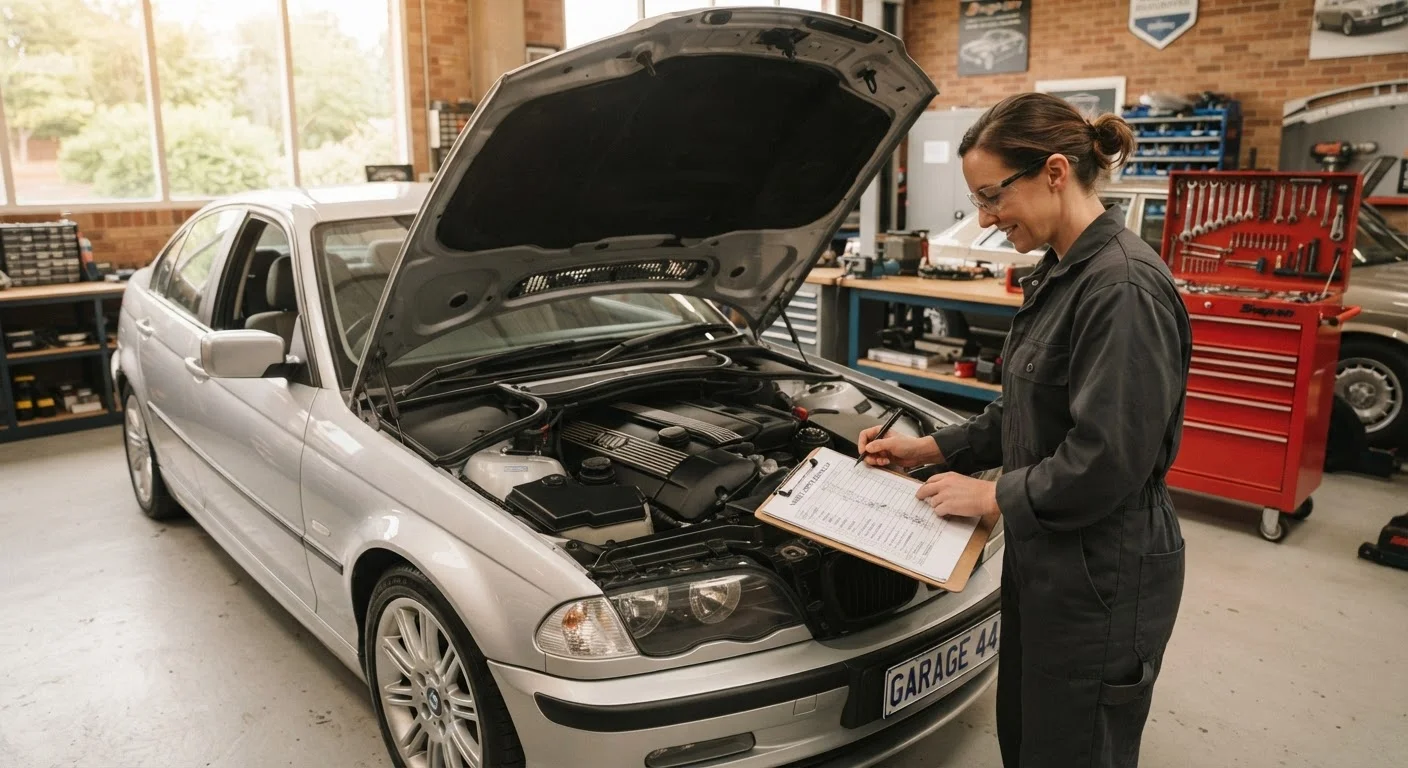
Photo: AscendWit.com | Explore Engaging Blogs. editorial
Key Takeaways
- Your owner's manual is the single most reliable source for your car's specific maintenance intervals.
- Most fluid checks take under five minutes and can catch problems before they become expensive repairs.
- Dashboard warning lights should never be ignored - some signal conditions that can cause immediate damage.
- Many routine tasks are safe to DIY; others genuinely require a qualified mechanic.
- Consistent, scheduled maintenance extends vehicle life and supports resale value over time.
Why Maintenance Matters From Day One
Owning a car comes with a learning curve, but vehicle maintenance doesn't have to feel overwhelming. The basics are well within reach of any driver who takes a little time to understand what their car needs - and when.
Neglecting routine upkeep is one of the most common and costly mistakes new owners make. Small issues - a low coolant level, worn brake pads, an ignored tire - rarely stay small. They compound. According to the Car Care Council, a nonprofit vehicle safety advocate, Americans spend billions each year on repairs that regular maintenance could have prevented or reduced.
The good news: you don't need mechanical expertise to stay on top of the basics. You need a general understanding of what matters, a willingness to check in on your vehicle regularly, and a reliable source for your specific car's schedule. That source is your owner's manual. See our guide to understanding maintenance schedules for help decoding what those intervals actually mean. If you're brand new to ownership in general, this overview of first-time car ownership is a strong foundation to start from.
The Fluids Your Car Depends On
Your vehicle runs on a network of fluids, each doing a specific job. Letting any of them run low or degrade can cause damage that far outweighs the cost of a simple top-off or change.
$1,200+
Average annual car repair cost per vehicle
The Car Care Council estimates that preventable repairs account for a significant portion of what American drivers spend each year on vehicle fixes.
5 min
Time needed for a basic fluid check
Most under-hood fluid inspections - oil, coolant, brake fluid - can be completed in under five minutes with no tools required.
80%
Of vehicles on the road need service or repairs
According to the Car Care Council's vehicle inspection data, roughly 4 in 5 vehicles checked at care events show at least one maintenance need.
- Engine oil lubricates moving parts and reduces heat buildup. Check it monthly with the dipstick - wipe it clean, reinsert, then pull it out to read the level and color. Dark, gritty oil that smells burnt is due for a change.
- Coolant (antifreeze) regulates engine temperature and prevents freezing in cold weather. It's checked at a reservoir under the hood - never open the radiator cap on a hot engine.
- Brake fluid transfers the force of your foot to the brakes. A low or murky reservoir is worth having inspected promptly.
- Transmission fluid keeps gear shifts smooth. Some vehicles have a dipstick; others are sealed and require a shop visit.
- Windshield washer fluid is the one you can safely top off yourself without any mechanical knowledge - and it matters more than people think in winter or dusty conditions.
Check your oil when the engine is cold or has been off for at least 10 minutes - a hot engine gives you a falsely low reading as oil is still circulating through components.
Store a basic car kit in your trunk: a tire pressure gauge, jumper cables, a small flashlight, and a copy of your roadside assistance number. These cover the most common roadside situations.
Your owner's manual specifies the correct fluid type for each reservoir. Using the wrong fluid - especially in the transmission or coolant system - can cause damage. When in doubt, ask a mechanic before adding anything.
Tires, Brakes, and Filters: The Unsung Heroes
Three systems that don't get enough attention from new owners are tires, brakes, and filters - yet they have an outsized impact on safety and reliability.
Tires
Tire pressure affects fuel economy, handling, and tread wear. The correct pressure for your car is listed on a sticker inside the driver's door jamb - not on the tire sidewall, which shows a maximum pressure. Check pressure monthly with an inexpensive gauge. Tread depth matters too: the penny test is a common field check - insert a penny into a tread groove with Lincoln's head facing down. If you can see the top of his head, the tread is low and tires likely need replacement. Tires also need rotation, typically every 5,000-7,500 miles, to wear evenly.
Brakes
Squealing or grinding when you brake, a soft pedal, or pulling to one side are signs that brakes deserve a professional look. Brake inspection is not a DIY task for most drivers - it involves safely lifting the vehicle and examining components that are critical to stopping safely.
Never Ignore Brake Warning Signs
Air and Cabin Filters
The engine air filter keeps debris out of your engine. A clogged one reduces performance. Cabin air filters clean the air inside the car - important for anyone with allergies. Both are relatively inexpensive to replace and are covered in your owner's manual's service schedule.
Warning Lights and What They're Telling You
Modern vehicles monitor dozens of systems and communicate through dashboard warning lights. Many new drivers either panic at every light or ignore all of them - neither response serves you well.
Red Warning Lights Mean Stop - Now
Here's a plain-language breakdown of the most common ones:
- Check Engine (orange/yellow engine icon): Could be minor (a loose gas cap) or serious (an emissions or engine fault). Have it scanned at a shop or auto parts store - many offer this free - to read the diagnostic code before drawing conclusions.
- Oil Pressure (red oil can): Pull over safely and turn off the engine as soon as it's safe. Running an engine with no oil pressure can cause severe, permanent damage within minutes.
- Temperature (red thermometer): Engine overheating. Pull over, turn off the engine, and do not attempt to open the hood or radiator immediately - let it cool first.
- Battery (battery icon): The charging system may not be working. Get to a mechanic or safe location soon - the car may not restart once turned off.
- TPMS (tire pressure monitoring): One or more tires is significantly low. Check pressure as soon as possible.
Your owner's manual has a full list of your car's specific warning indicators. Take five minutes to familiarize yourself with them - before you're dealing with one on the highway.
DIY vs. Shop: Knowing Your Limits
Some maintenance tasks are genuinely safe and satisfying to handle yourself. Others carry real risks if done incorrectly and are better left to a licensed mechanic.
Tasks most drivers can handle with basic tools and a reliable guide: checking and topping off fluids, replacing wiper blades, swapping a cabin air filter, checking tire pressure, and replacing a battery (in most vehicles).
Tasks that call for a professional: brake work, suspension components, anything involving the fuel system, timing belt or chain service, and diagnostic work involving complex sensors or computer systems. Our article on DIY car maintenance vs. taking it to a shop walks through a practical framework for making this call.
Start With What You Can See and Reach
If your vehicle has significant mileage, some systems need extra attention. The guide to keeping a high-mileage car running well covers what shifts as the odometer climbs.
Building a Simple Maintenance Routine
The most effective maintenance habit is a consistent one. Here's a straightforward framework to organize around:
- Monthly
- Check tire pressure, engine oil level, coolant level, and windshield washer fluid. Look for any new warning lights and inspect tires visually for damage.
- Every 3,000-7,500 miles
- Oil and filter change (interval depends on your vehicle and whether it uses conventional or synthetic oil - check your manual). Tire rotation may fall here too.
- Every 12,000-15,000 miles or annually
- Air filter inspection, brake inspection, cabin filter replacement, and a general vehicle inspection at a shop.
- As specified by your manufacturer
- Coolant flush, transmission service, spark plugs, timing belt - these vary widely by make and model. Your owner's manual is the authority here, not general rules of thumb.
Keeping a simple log - even a notes app on your phone - of what was done and when helps you stay organized and gives a mechanic useful history if something goes wrong.
Owning a car is a long-term relationship. The effort you put into understanding and maintaining it consistently pays back in reliability, safety, and fewer surprises. Start with the basics covered here, and build from there as you grow more comfortable. Explore more car ownership basics to continue building your knowledge.
The content on this site is for informational purposes only and is not a substitute for professional advice. Always consult a qualified professional for guidance specific to your situation.