
Engine Oil Types and What the Numbers on the Label Actually Mean

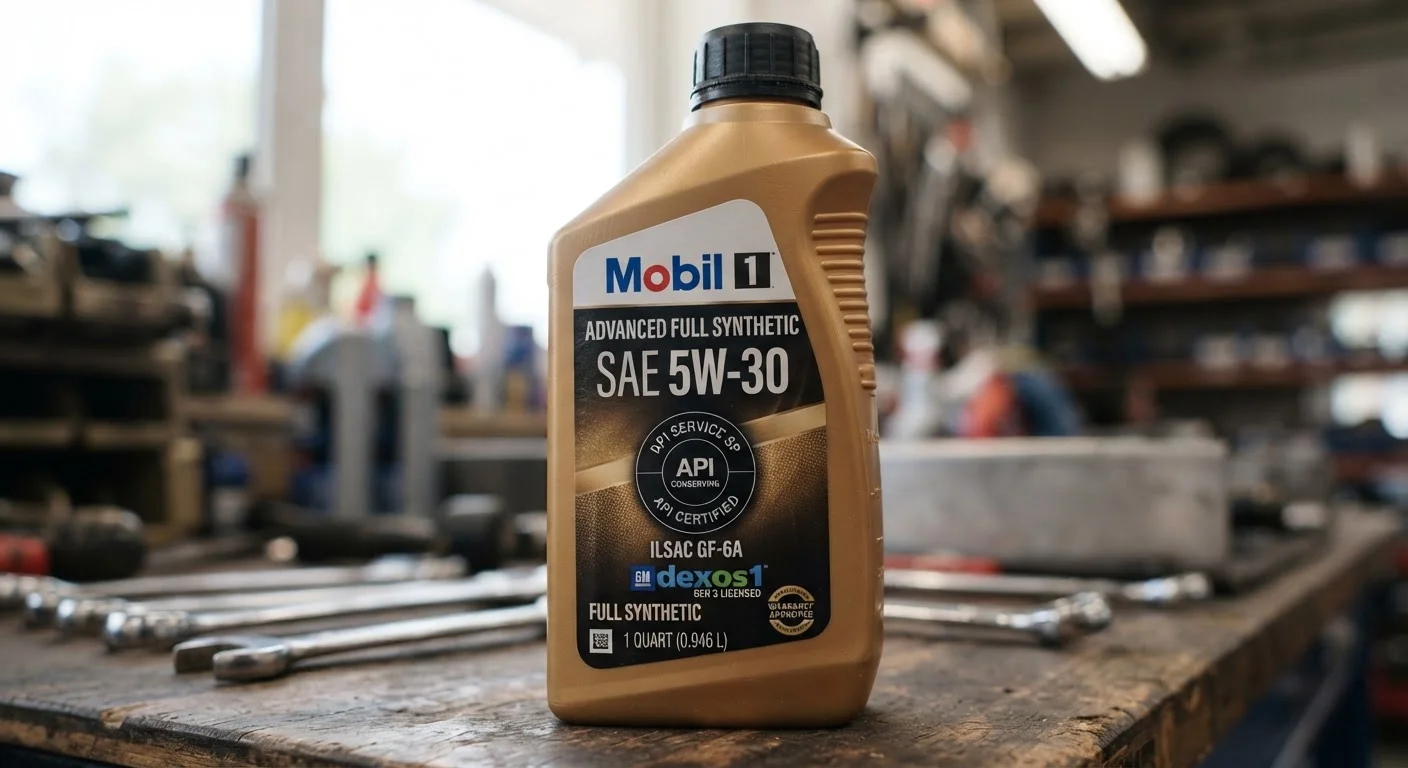
Photo: AscendWit.com | Explore Engaging Blogs. editorial
What the Viscosity Numbers Actually Mean
Pick up almost any oil bottle and you'll see a code like 5W-30 or 10W-40. These numbers describe viscosity - how easily the oil flows at different temperatures. Understanding them is the single most important step in choosing the right oil.
The number before the W (which stands for "winter," not "weight") measures cold-temperature flow. A lower number means the oil stays fluid in colder conditions, which matters most during cold starts when the engine needs lubrication fast. The number after the hyphen measures viscosity at normal operating temperature - a higher number means the oil is thicker and maintains a stronger protective film under heat and load.
So a 5W-30 oil flows easily in cold weather (the 5W) and reaches a moderate thickness at operating temperature (the 30). A 0W-20 flows even more freely when cold, which is why many newer, fuel-efficient engines specify it. A 10W-40
The most important rule: always use the viscosity grade your owner's manual specifies. Using a thicker or thinner oil than recommended can affect fuel economy, engine wear, and in some cases, warranty coverage. Beyond viscosity, oil labels also tell you what the oil is made from. There are four main categories you'll encounter at an auto parts store or service center. For a deeper comparison of synthetic and conventional oil, see our full breakdown of synthetic vs. conventional oil. Viscosity A measure of how easily a fluid flows. In motor oil, viscosity determines how well the oil circulates at cold startup and how thick a protective film it maintains at operating temperatures. W Rating (Winter Rating) The number before the 'W' in a multi-grade oil code (e.g., 5W-30). It indicates the oil's cold-temperature flowability - lower numbers perform better in colder climates. Full Synthetic Oil Motor oil made from chemically engineered base compounds rather than refined crude oil. It offers more stable performance across temperature extremes and typically lasts longer than conventional oil. API Service Rating A classification by the American Petroleum Institute indicating an oil's performance level. For gasoline engines, the current top-tier designation is SP, which is backward-compatible with older ratings. High-Mileage Oil A motor oil formulation designed for vehicles with approximately 75,000 miles or more. It contains seal conditioners and additives intended to reduce oil consumption and extend engine life in older vehicles. ILSAC Starburst A certification mark from the International Lubricant Standardization and Approval Committee. Oils bearing this symbol meet fuel economy and emissions-system protection standards required by many manufacturers. On the back or side of most oil bottles, you'll find certification marks from two key organizations: the American Petroleum Institute (API) and the International Lubricant Standardization and Approval Committee (ILSAC). These ratings confirm the oil meets industry performance and protection standards. The API "donut" symbol shows a two-letter service category. The first letter is either S (for gasoline engines) or C (for diesel engines). The second letter indicates the performance tier - the further along in the alphabet, the newer and more capable the standard. For example, SP is the current top-tier API gasoline engine standard as of recent years and offers improved protection for turbocharged engines and engine deposits. The ILSAC starburst symbol (GF-6 is the current generation) signals the oil meets fuel economy and emissions-system protection requirements, which matters for vehicles with catalytic converters. Neither symbol should be treated as interchangeable with your owner's manual spec. Always cross-check both the API/ILSAC rating and the viscosity grade against what your manufacturer requires. Skipping that step is one of the maintenance myths that can quietly damage your engine over time. When Your Manual Lists Multiple Viscosity Grades Reading an oil label becomes straightforward once you know what to look for. Your checklist should cover three things: Engine oil is one of the most critical fluids in your vehicle. Using the wrong type won't always cause immediate problems - but over time, it can accelerate wear in ways that are expensive to fix. And if you're tempted to stretch your oil change intervals, it's worth understanding what actually happens inside your engine when oil ages. When in doubt, your owner's manual is the most reliable source - not the sticker on your windshield or advice from a service counter upsell.
Most common passenger car viscosity
5W-30 or 0W-20 (Varies by manufacturer; always verify in your owner's manual)
Current top API gasoline engine rating
SP (American Petroleum Institute)
High-mileage oil threshold
~75,000 miles (General industry guideline; check manufacturer specs)
What 'W' stands for in oil grades
Winter (cold-temperature flow)
Current ILSAC standard generation
GF-6 (International Lubricant Standardization and Approval Committee)
Oil Types: Conventional, Synthetic, and Everything In Between
API and ILSAC Ratings: What the Certification Symbols Mean
Putting It All Together: Choosing the Right Oil
The content on this site is for informational purposes only and is not a substitute for professional advice. Always consult a qualified professional for guidance specific to your situation.