
Synthetic vs. Conventional Motor Oil: What Everyday Drivers Need to Know

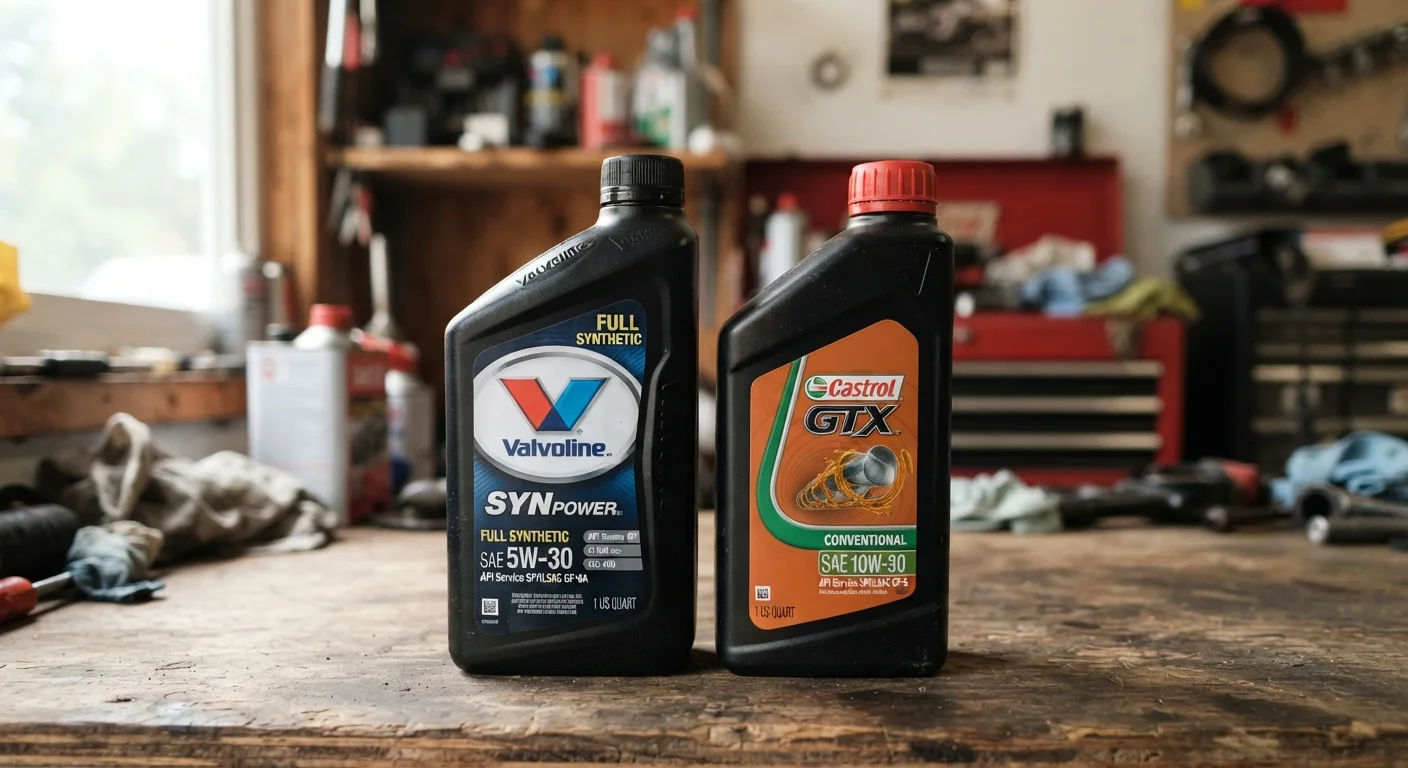
Photo: AscendWit.com | Explore Engaging Blogs. editorial
Key Takeaways
- Synthetic oil is chemically engineered for more consistent molecular structure, offering better performance in extreme heat and cold.
- Conventional oil is refined from crude oil and works well for older engines and standard driving conditions.
- Your owner's manual - not marketing claims - is the definitive guide to which oil type your engine needs.
- Synthetic oil typically lasts longer between changes, but always follow manufacturer-specified intervals.
- Switching from conventional to synthetic is generally safe for most modern engines, but verify with your manual first.
What Makes These Two Oils Different
Both synthetic and conventional motor oil do the same fundamental job: lubricate engine components, reduce friction, carry away heat, and prevent harmful deposits. The key difference is how they're made.
Conventional oil is refined directly from crude petroleum. The refining process removes many impurities, but the resulting molecules aren't perfectly uniform in size or shape. That inconsistency is harmless under typical conditions but can limit performance at temperature extremes.
Synthetic oil is built in a laboratory. Chemists start with a base stock - often also derived from petroleum - and engineer the molecules to a consistent size and structure. The result is a fluid designed to flow predictably, resist breakdown longer, and perform across a wider temperature range.
Neither type is magic. Both need to match your engine's requirements. For a plain-language breakdown of what those oil label numbers actually mean, see our guide on engine oil types and label terminology.
| Criterion | Synthetic Oil | Conventional Oil |
|---|---|---|
| Base composition | Engineered molecules, lab-processed | Refined from crude petroleum |
| Cold-weather flow | Flows more readily at low temps | Can thicken more in cold |
| Heat resistance | Higher thermal stability | More susceptible to breakdown at high heat |
| Typical change interval | Often longer (varies by manufacturer) | Generally shorter intervals |
| Cost per quart | Higher upfront cost | Lower upfront cost |
| Best engine fit | Modern, turbocharged, tight-tolerance engines | Older or simpler engine designs |
Performance, Longevity, and Cost Tradeoffs
Synthetic oil generally holds up better under stress. High engine temperatures, cold starts, and heavy towing all put more demand on oil - conditions where synthetic's engineered structure gives it an edge. It also tends to flow more easily in cold weather, which matters because most engine wear happens in the first seconds after a cold start.
Conventional oil performs reliably under normal driving conditions and is the right choice when your manufacturer specifies it. The concern isn't that it's inferior - it's that it may break down more quickly under extreme conditions or longer change intervals.
~5,000 mi
Typical conventional oil change interval
Many manufacturers historically recommended conventional oil changes around every 5,000 miles, though actual intervals vary by vehicle and driving conditions.
7,500-10,000+ mi
Common synthetic oil change interval
Many modern vehicles using full synthetic oil are factory-rated for longer intervals; always defer to your owner's manual for the exact figure.
~30%
Engine wear occurs at cold start
Industry data suggests a significant share of engine wear happens during the first moments after starting, when oil hasn't fully circulated - an area where synthetic's flow characteristics can help.
On cost: synthetic oil typically costs more per quart, but because it's rated for longer intervals, the per-mile cost can be comparable. That said, cost savings should never be a reason to push past your manufacturer's recommended interval. Learn more about what actually happens when you delay oil changes.
How to Know Which One Your Car Actually Needs
The single most reliable answer to "which oil should I use" is sitting in your glove box: your owner's manual. Manufacturers specify the oil type, viscosity grade (like 5W-30 or 0W-20), and change interval based on how they engineered the engine. Following that guidance is more important than any general rule of thumb.
Always Check Your Owner's Manual First
Some vehicles - particularly those with turbocharged engines, direct injection, or very tight manufacturing tolerances - require full synthetic oil. Using conventional oil in an engine designed for synthetic may result in faster wear or voided warranty coverage. On the flip side, using synthetic in an engine that calls for conventional is generally safe, though it adds cost without a guaranteed benefit.
If you've taken over ownership of a used vehicle or aren't sure what's been used previously, a mechanic can check your records and help you establish the right routine. For a broader look at everything your car needs on a schedule, see our overview of routine maintenance every car owner should know.
One myth worth dispelling: switching from conventional to synthetic won't cause engine leaks in most modern vehicles. That concern stems from older engine designs. If your car is relatively recent, the switch is typically straightforward - but always confirm with your manual or a trusted mechanic. Our article on common car maintenance myths covers this and other widely misunderstood habits.
The content on this site is for informational purposes only and is not a substitute for professional advice. Always consult a qualified professional for guidance specific to your situation.