
Why Skipping Oil Changes Has Bigger Consequences Than You Think

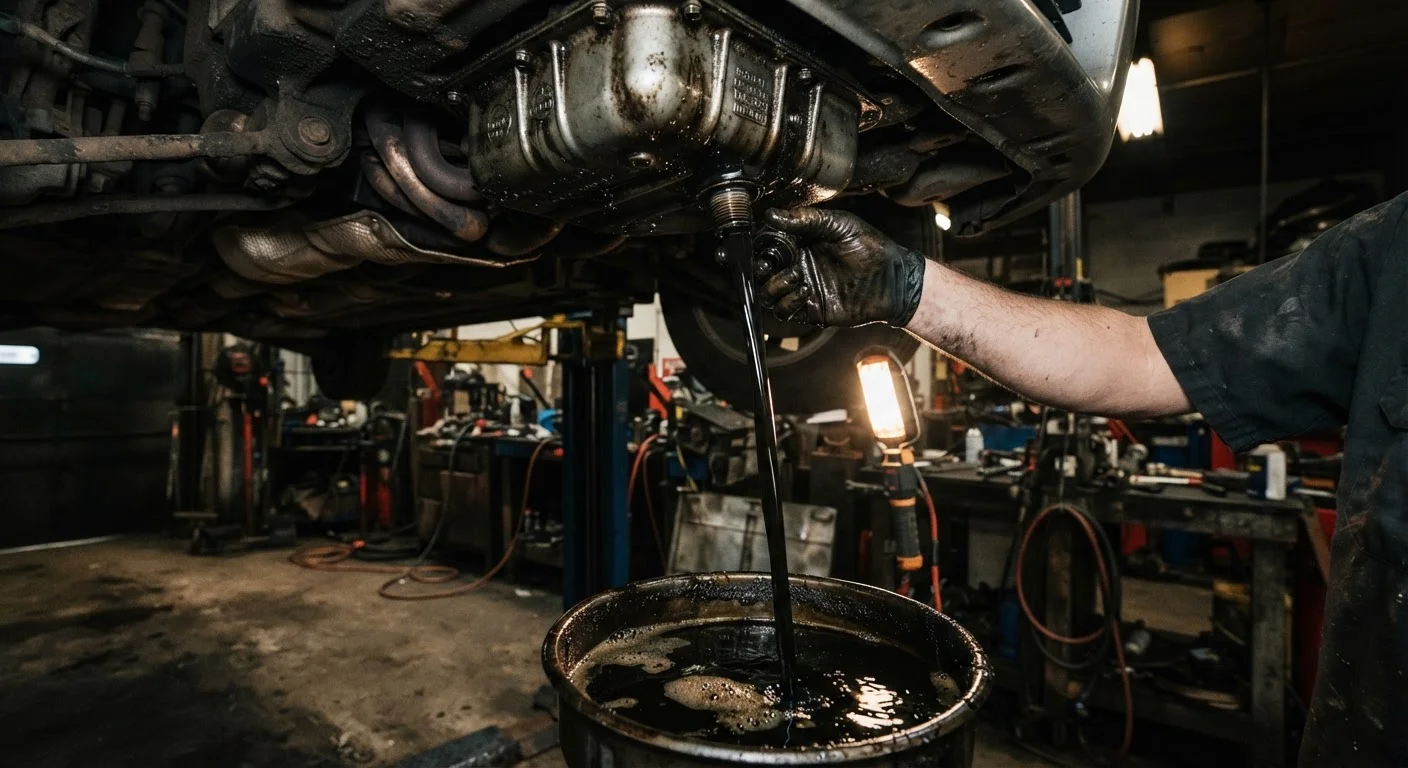
Photo: AscendWit.com | Explore Engaging Blogs. editorial
Key Takeaways
- Skipping oil changes causes oil to break down, leaving engine parts without adequate lubrication.
- Sludge buildup from old oil can permanently damage internal engine components.
- Most modern vehicles recommend oil changes every 5,000-10,000 miles, depending on oil type and driving habits.
- Neglecting oil changes often voids powertrain warranty coverage.
- Catching up on overdue oil changes early is far cheaper than engine repair or replacement.
What Actually Happens When Oil Gets Old
Motor oil does two essential jobs: it lubricates moving metal parts so they don't grind against each other, and it carries heat and combustion byproducts away from the engine. Over time and miles, oil breaks down. It thickens, oxidizes, and accumulates tiny metal particles and carbon deposits from normal engine operation.
When oil becomes too degraded to flow properly, it stops forming the protective film between moving parts. Metal touches metal. Friction increases. Temperatures rise. Over thousands of additional miles without a change, this process can erode bearings, camshafts, and cylinder walls - components that can't simply be wiped clean and reset.
Sludge is the final stage of severely neglected oil. It's a thick, tar-like substance that can clog oil passages and starve parts of lubrication entirely. Once sludge forms, cleaning it out is difficult and often incomplete, even with a flush. The damage it causes is frequently permanent.
For a broader picture of what routine upkeep involves, see our guide to routine maintenance every car owner should know about.
Common Mistakes That Make the Problem Worse
Most drivers don't skip oil changes out of carelessness - they do it because of outdated information, competing priorities, or simple misunderstanding of what the warning signs mean. The mistakes below are among the most common, and each one quietly accelerates engine wear.
Waiting until the oil light comes on to schedule a change.
Assuming all vehicles follow the old 3,000-mile oil change rule.
Skipping oil changes on a high-mileage vehicle because 'it's already old.'
Topping off old oil instead of doing a full change.
The pattern here mirrors what happens in other areas of ownership when upkeep gets deferred. Much like deferred home maintenance costs that compound over time, skipping small, inexpensive service tasks leads to far larger bills down the road.
Warranty Coverage May Be at Stake
How to Stay on Track Without the Stress
Keeping up with oil changes doesn't require mechanical knowledge - it mainly requires a system. Start by reading your owner's manual to find the manufacturer's recommended interval for your specific vehicle and the type of oil it uses. That number is your baseline.
Engine Damage Can Be Permanent
Set a recurring calendar reminder tied to your mileage. If you drive around 1,000 miles per month and your interval is 7,500 miles, that's roughly every seven to eight months. Many vehicles also display a built-in oil life monitor that estimates remaining oil life based on driving conditions - check your dashboard settings to see if yours has one.
If you're unsure whether your oil type matches what your engine needs, our overview of synthetic vs. conventional motor oil covers the practical differences in plain language. The right oil for your car matters almost as much as the interval itself.
~$4,000+
Average engine replacement cost
Engine replacement costs vary widely by vehicle, but industry repair data consistently place full replacements well above $3,000-$5,000 for most passenger cars.
5,000-10,000 mi
Typical modern oil change interval
Most vehicle manufacturers now recommend oil changes between 5,000 and 10,000 miles for vehicles using full synthetic oil, per owner's manual guidelines.
The cost of a routine oil change is modest compared to virtually any engine repair. Treating it as a fixed part of your ownership routine - not an optional errand - is one of the simplest ways to protect a major investment.
The content on this site is for informational purposes only and is not a substitute for professional advice. Always consult a qualified professional for guidance specific to your situation.