
Car Fluids Every Driver Should Know About

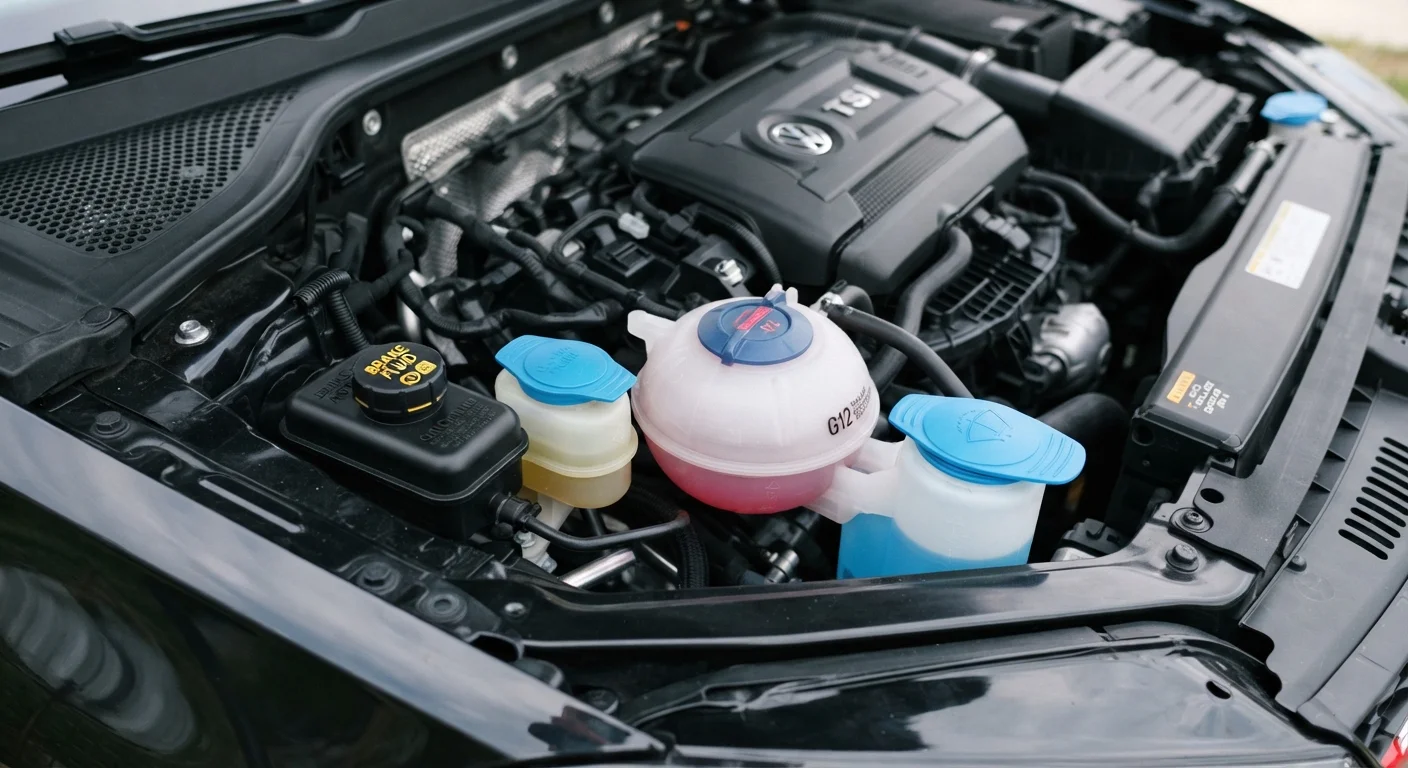
Photo: AscendWit.com | Explore Engaging Blogs. editorial
Key Takeaways
- Your car relies on at least six different fluids to run safely and reliably.
- Most fluid levels can be checked at home in under ten minutes with no special tools.
- Low or dirty fluids are among the most common causes of preventable vehicle damage.
- Your owner's manual specifies the correct fluid type and change intervals for your vehicle.
- Some fluid changes require a qualified mechanic - knowing which ones keeps you safe.
Why Car Fluids Matter
A modern vehicle is essentially a network of systems - engine, brakes, steering, cooling - and nearly every one of them depends on a fluid to function. These liquids lubricate moving parts, transfer heat, generate hydraulic pressure, and prevent corrosion. When fluid levels drop too low or the fluid degrades over time, the consequences range from reduced performance to serious mechanical failure.
The good news: monitoring most fluids takes only a few minutes and no specialized tools. Understanding what each fluid does - and when to check it - is one of the most practical things you can do as a car owner. For a broader look at routine upkeep, see our routine maintenance overview.
The Six Fluids Every Driver Should Know
Each of these fluids plays a distinct role. Your owner's manual will confirm which specific type your vehicle requires.
Dipstick
A long, thin metal rod inserted into the engine or transmission that you pull out to check fluid level and condition.
Coolant
A liquid mixture (usually water and antifreeze) that circulates through the engine to control its operating temperature.
Hydraulic system
A system that uses pressurized liquid to transmit force - brakes and power steering are common examples in vehicles.
Fluid flush
A service where old fluid is completely drained from a system and replaced with fresh fluid, rather than just topping off the existing level.
Viscosity
A measure of how thick or thin a fluid is. Engine oil viscosity ratings (like 5W-30) indicate how the oil flows at different temperatures.
Engine Oil
Oil lubricates the engine's moving metal parts, reduces friction, and helps carry heat away from critical components. It's checked via the dipstick under the hood. Most manufacturers recommend checking it monthly and changing it according to the interval in your owner's manual - not necessarily every 3,000 miles, which is an outdated rule for many modern vehicles. For more on outdated maintenance habits, see common car maintenance myths.
Coolant (Antifreeze)
Coolant circulates through the engine and radiator to regulate operating temperature. It prevents overheating in summer and freezing in winter. The reservoir is usually a translucent plastic tank near the radiator. Never open the radiator cap on a hot engine - pressurized hot coolant can cause serious burns.
Brake Fluid
Brake fluid transmits the force from your foot on the pedal through the hydraulic braking system. It absorbs moisture over time, which lowers its boiling point and reduces braking effectiveness. Most manufacturers recommend replacement every two years or per mileage intervals. To understand how brake fluid fits into the larger braking system, see how your brakes work.
Transmission Fluid
This fluid lubricates the gears and internal components of your transmission. Automatic and manual transmissions often require different fluid types. Low or degraded transmission fluid can cause rough shifting, slipping, or long-term damage. Check your owner's manual for the recommended change interval.
Power Steering Fluid
Power steering fluid enables the hydraulic assist that makes turning the wheel easier. Many newer vehicles use electric power steering and don't have this reservoir at all. If your car does have it, check it when you check other fluids and top it off with the correct type if low.
Windshield Washer Fluid
The only fluid here that doesn't affect mechanical operation - but running out at the wrong moment on a dirty highway is a real visibility and safety issue. Use a dedicated washer fluid rated for the temperatures in your region; plain water can freeze in the lines.
How to Check Your Fluids at Home
Most fluid checks follow the same basic process: park on a level surface, let the engine cool, locate the reservoir or dipstick, and compare the level to the marked minimum and maximum indicators.
Check Fluids When the Engine Is Cold
- Engine oil: Pull the dipstick, wipe it clean, reinsert fully, then pull again to read the level. The oil should fall between the two marks and appear amber to dark brown - not milky or gritty.
- Coolant: Check the level on the side of the translucent reservoir when the engine is cold. The fluid should sit between the MIN and MAX lines.
- Brake fluid: The reservoir is usually near the back of the engine bay on the driver's side. Check the level through the translucent wall without opening the cap if possible.
- Transmission fluid: Many vehicles have a dipstick for this; others require a mechanic to check it from underneath. Consult your owner's manual.
- Power steering fluid: Locate the reservoir (if present), check the level markings on the cap or reservoir wall.
- Washer fluid: Open the reservoir and top it off as needed - it's the easiest of the group.
For a structured approach to all routine checks, our maintenance schedule guide walks through intervals in plain language.
Warning Signs You Shouldn't Ignore
Fluids don't just run low - they can also signal deeper problems when they look or smell wrong.
- Engine oil that looks milky or foamy may indicate coolant mixing into the oil, a sign of a head gasket problem.
- Coolant that looks rusty or oily suggests contamination that reduces its protective properties.
- Brake fluid that is very dark indicates it has absorbed significant moisture and should be replaced.
- A burning smell after driving can mean fluid is leaking onto hot engine components.
- Dashboard warning lights for oil pressure, temperature, or low fluid levels should never be dismissed - consult your owner's manual or a mechanic promptly.
Never Ignore a Low Brake Fluid Warning
Any visible puddle of fluid under a parked car warrants investigation. Color and location can help identify the source, but a mechanic should confirm the diagnosis and repair.
When to Call a Mechanic
Checking fluid levels and topping off with the correct fluid is within reach for most drivers. However, several fluid-related tasks are better left to a qualified mechanic:
- Flushing and replacing coolant, brake fluid, or transmission fluid (these involve draining systems and disposing of old fluid properly)
- Diagnosing and repairing any fluid leak
- Any situation where you notice an unusual smell, dashboard warning light, or significant fluid loss with no obvious cause
Being confident about what you can handle - and honest about what you can't - is part of responsible car ownership. For a comprehensive overview of what maintenance tasks look like from the beginning, see our first-time owner's maintenance guide.
Frequently Asked Questions
The content on this site is for informational purposes only and is not a substitute for professional advice. Always consult a qualified professional for guidance specific to your situation.